
Category: Leadership
-
Whoa. I cannot believe it is almost October. What an incredible kick off to the school year. This is already the end of National Arts…
-
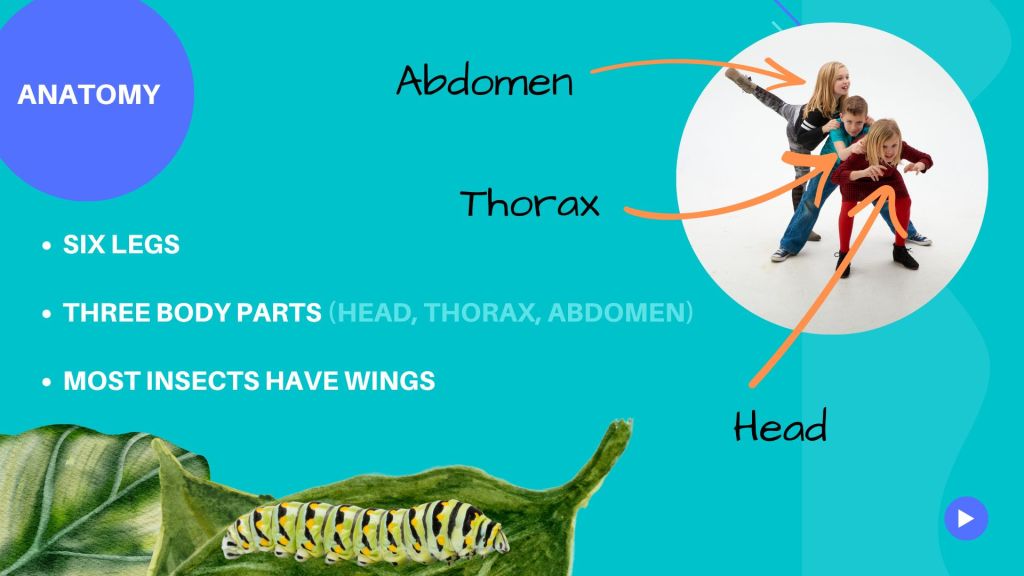
Movement Three invites students to explore how insects live either in highly organized communities or as solitary individuals. Through group and solo movement studies, learners…
-
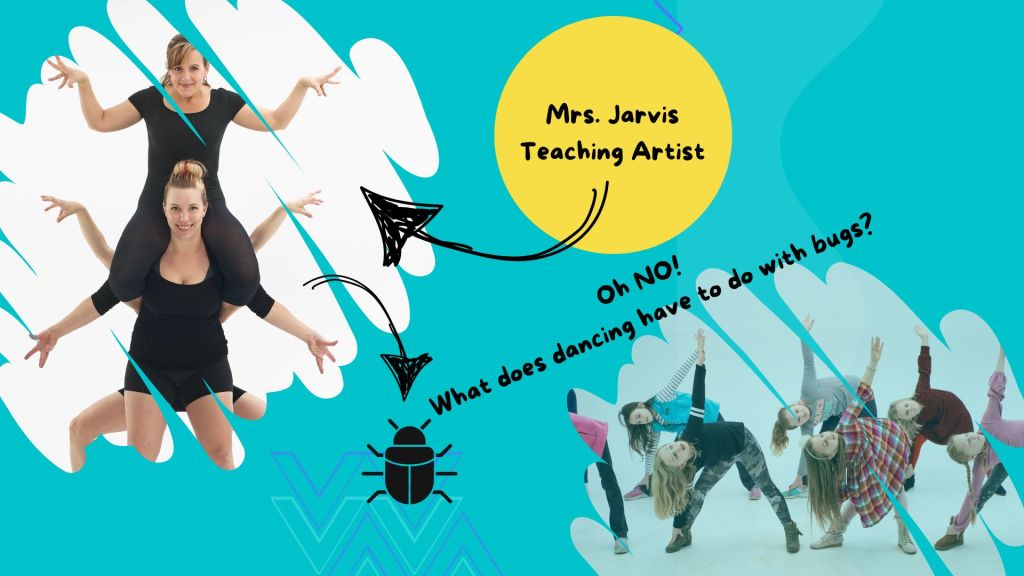
Movement Two focuses on the essential roles insects play in ecosystems and how their behaviors can help or harm the environments they inhabit. Through movement…
-
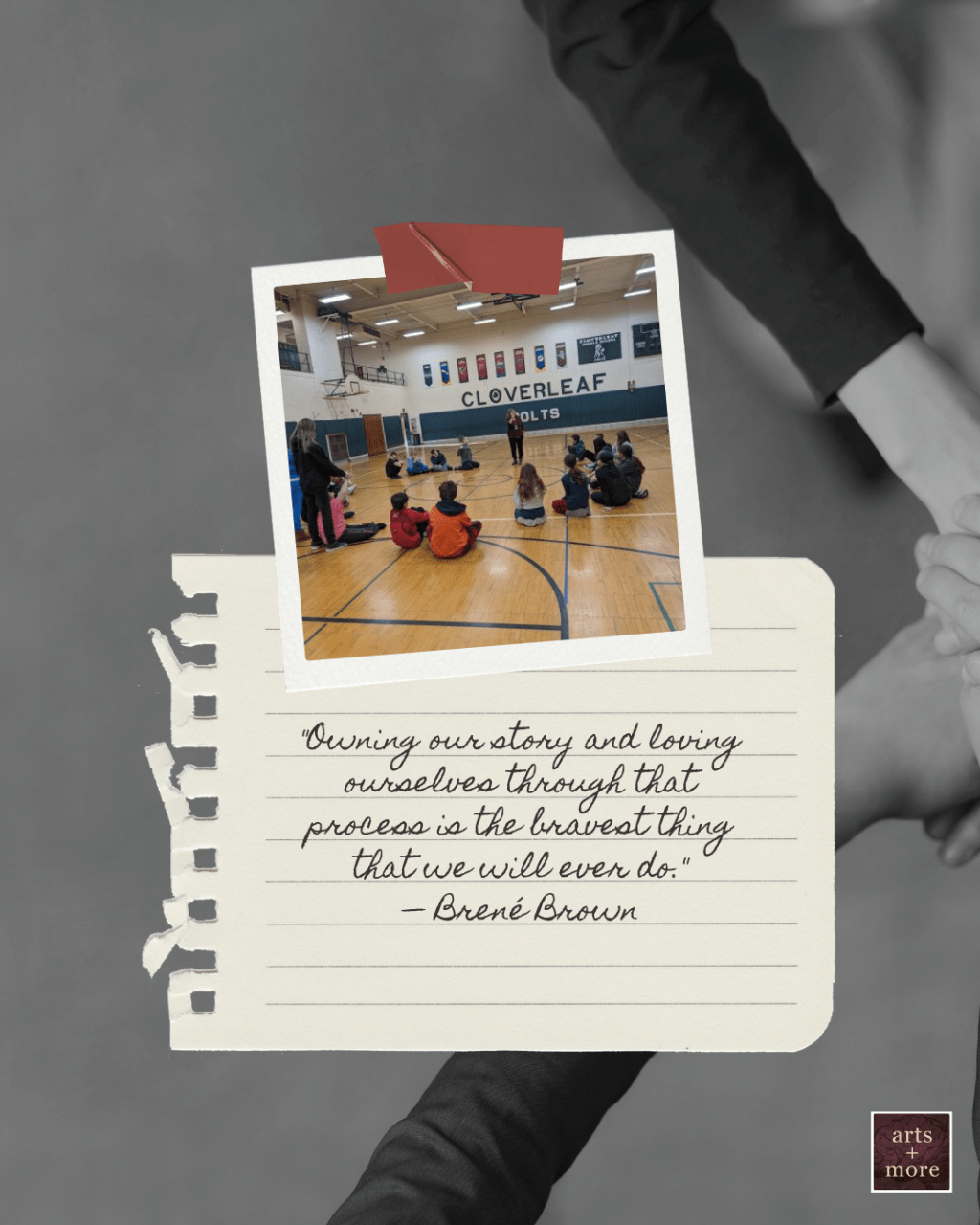
What happens when we truly listen to one another? Story Exchange is a powerful guided practice that helps participants share personal stories, listen deeply, and…
-

Movement One invites students to embody the remarkable transformations found in insect life cycles. Through guided movement studies, learners explore how insects grow from egg…
-
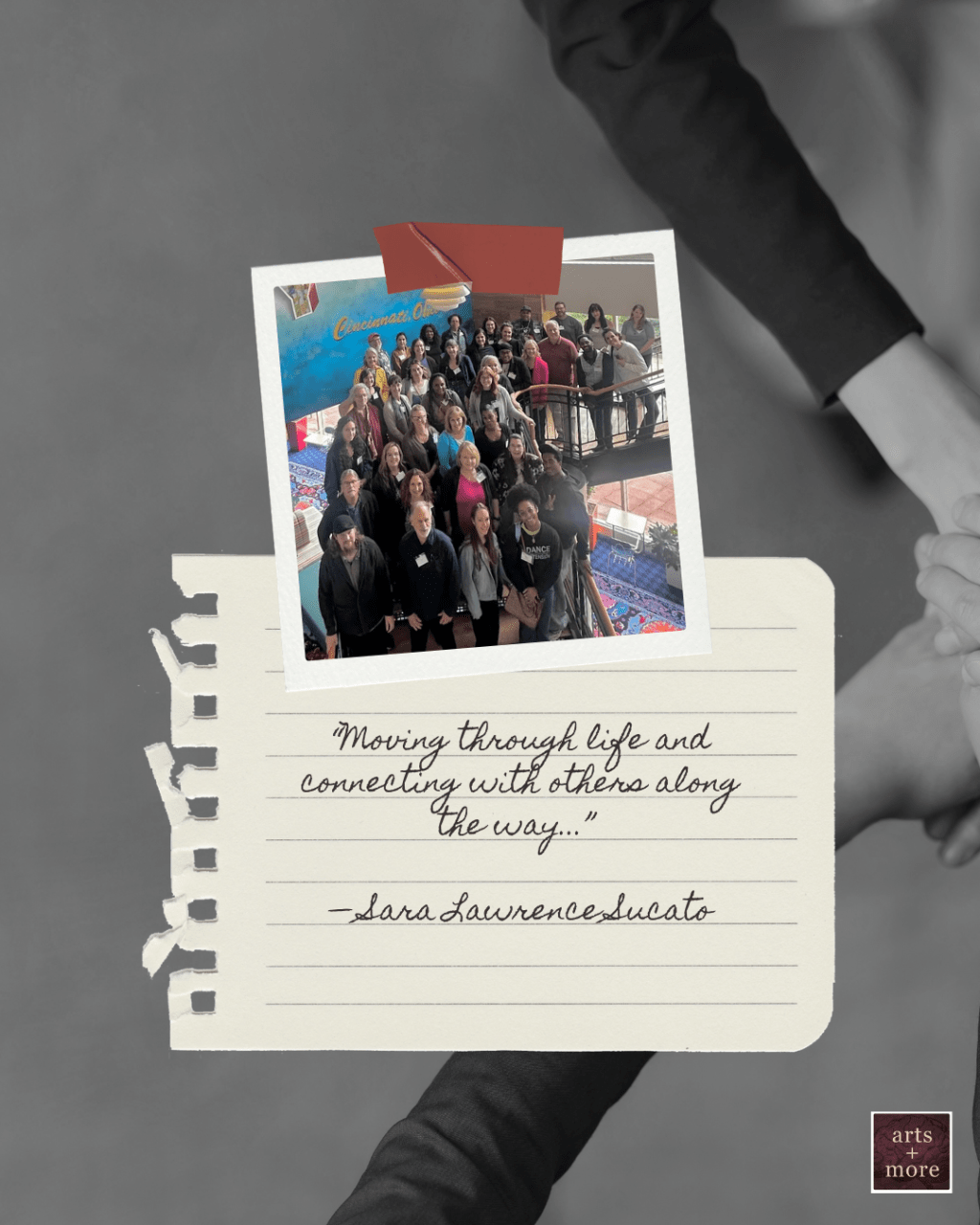
Still buzzing from Destination Arts Integration in Cincinnati! Powerful sessions, inspiring Teaching Artists, and so many reminders of why we show up for students every…
-
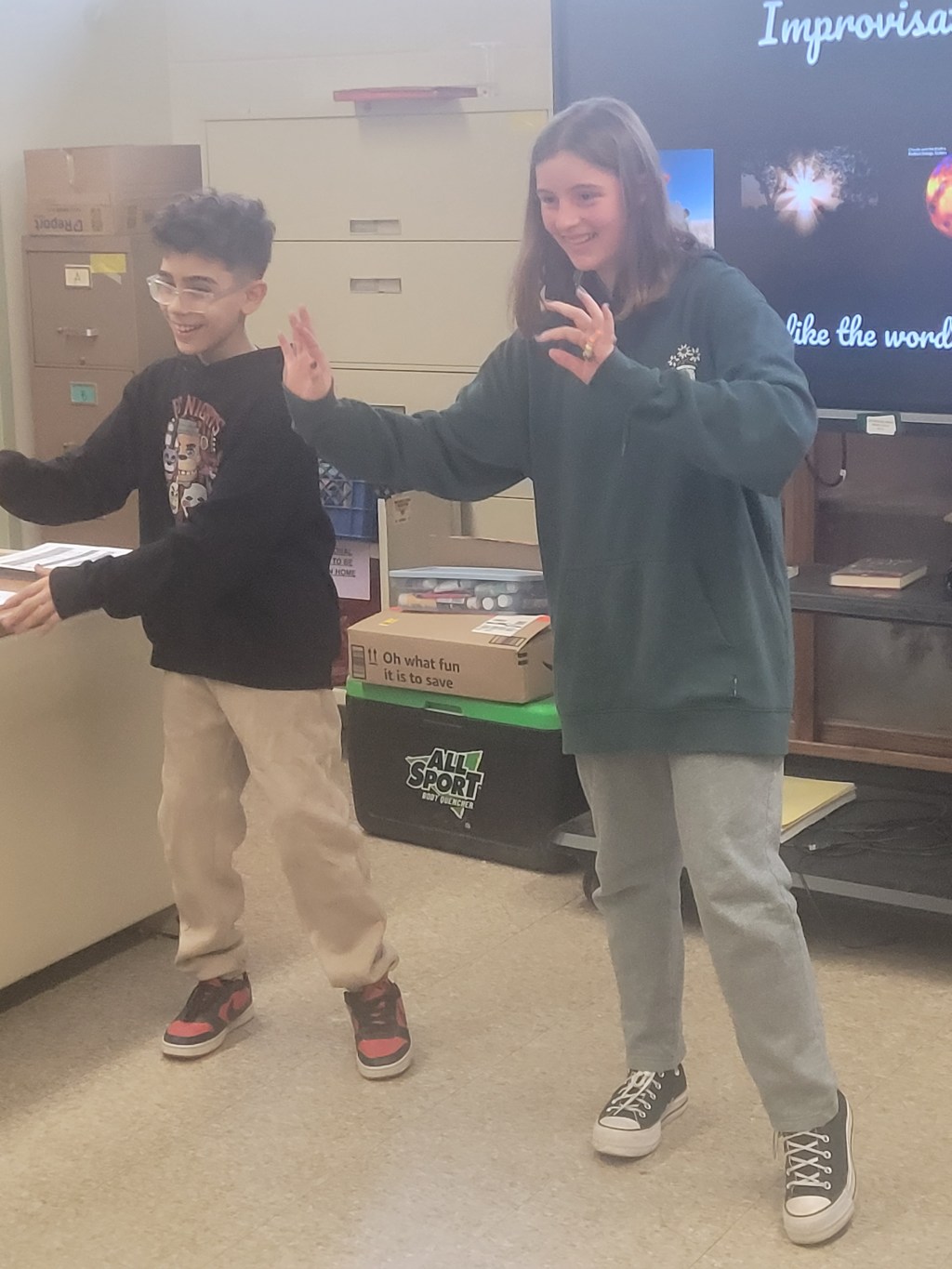
In this lesson, students investigate how solids, liquids, and gases behave by embodying particle movement through dance. Using clear science concepts and purposeful movement design,…
-
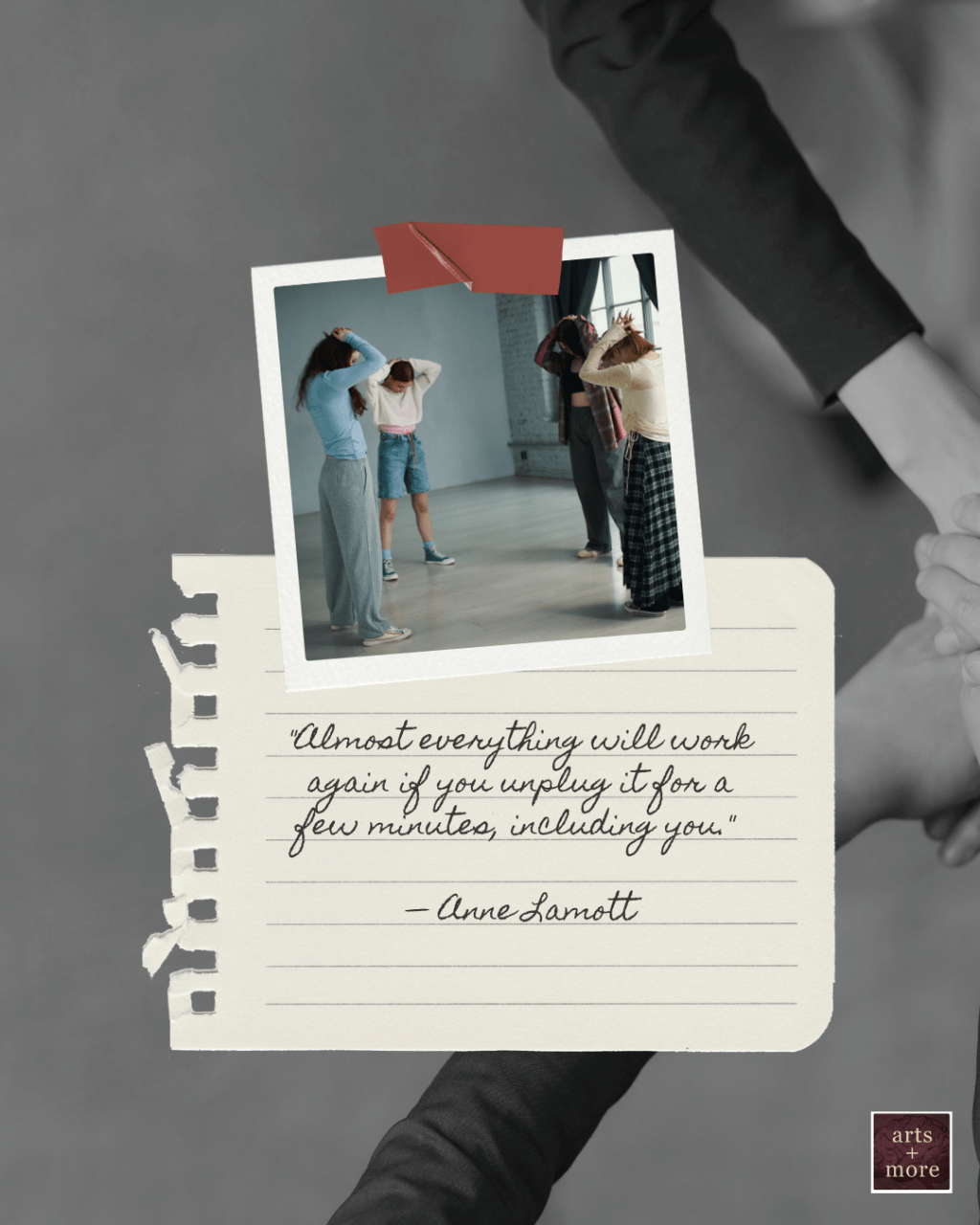
In the world of elite athletics, the top 1% understand that success often hinges on mental strategy rather than mere motivation. While many athletes rely…
-
Teaching Artists, if you’re exhausted, it’s not a lack of discipline. It’s a nervous system that’s been in go‑mode for too long. Rest isn’t laziness,…
-
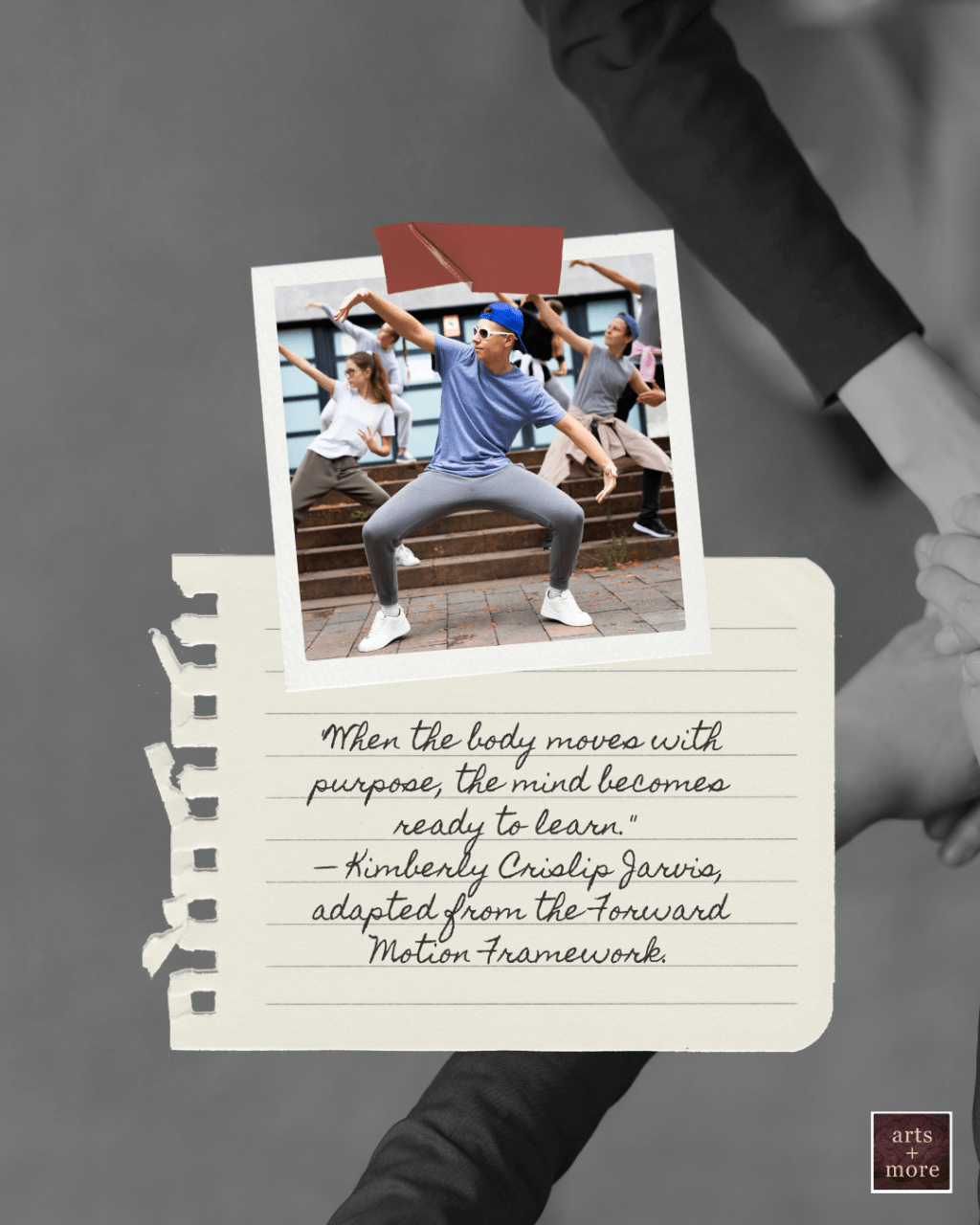
Before students can fully engage their minds, they must be connected to their bodies. Movement is one of humanity’s oldest tools for processing emotions, building…
