
Movement Three: Solitary Paths and Community Life
Some insects live in large, organized communities while others live alone. In this lesson, students explore social structures in insect life through movement and group design.
Grade Level
3rd to 5th Grade
Duration
1 Class Period (30 to 45 minutes)
Standards
Science Standards
Life Science: Insects may live in social groups or solitary environments.
Dance Standards
Creating: Create group movement that reflects structure and relationships.
Performing: Use spatial awareness to show group or solitary behavior.
Essential Questions
- Which insects live in communities?
- Which insects live alone?
- How can movement show social structure?
Learning Objectives
Students will:
- Identify community insects and solitary insects.
- Use movement to represent social behavior.
- Analyze how insects interact with others.
Success Criteria
- I can name insects that live in groups.
- I can name insects that live alone.
- I can use movement to show community or solitary behavior.
Vocabulary
Colony
Hive
Solitary
Cooperation
Territory
Materials
- Open movement space
- Music
Lesson Activities
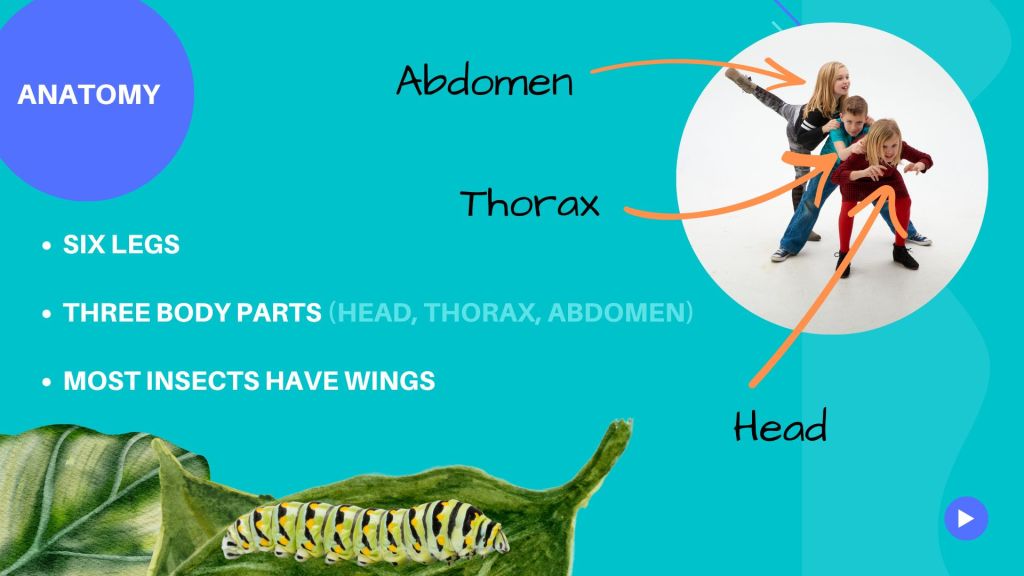
Activity One: Social Structures
Review:
- Community insects include bees, ants, and termites.
- Solitary insects include praying mantises, many beetles, and most butterflies.
Activity Two: Movement Structures
Assign groups:
- Bee colony
- Ant colony
- Solitary beetle
- Solitary butterfly
Groups create a movement study showing:
- Community insects: shared pathways, coordinated movement, group shapes
- Solitary insects: individual pathways, independent movement, personal space
Activity Three: Showcase
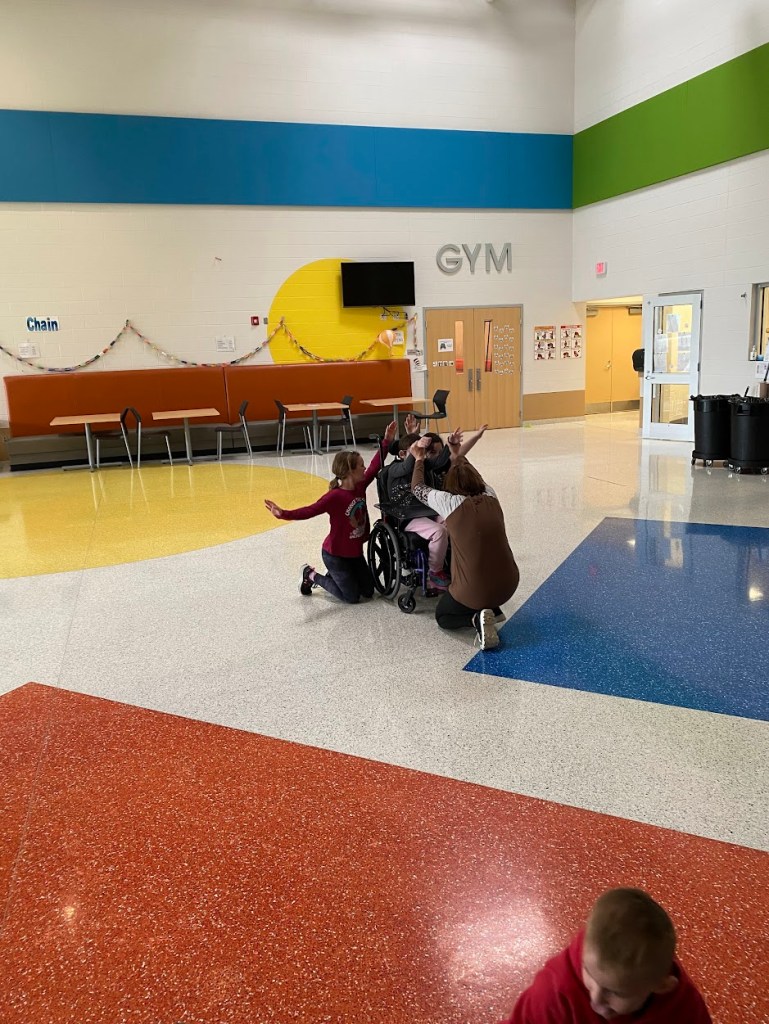
Audience Observations:
- Was the insect solitary or social?
- How did the movement show this?
- What patterns were visible?
Adaptations and Modifications
Visual supports Simplified group shapes Assigned roles
Assessment
Students identify social structures and explain how movement represented them.
Lesson Conclusion
Insects live in many different ways. Some depend on community while others live independently. Movement helped students explore these social patterns and understand how insects survive.


Leave a Reply