
Whoa. I cannot believe it is almost October. What an incredible kick off to the school year. This is already the end of National Arts in Education Week and today is actually National Dance Day. I have been so immersed in this year’s residencies and also the preparations for the Buckeye Book Fair that I have not written. My sincere apologies. It may take a little while, but I do have several drafts. All I need is a snow day, right? Well, there are not any of those coming soon. LOL.
Even with the whirlwind, I keep thinking about what students learn when they work with teaching artists. These lessons are not just about dance technique or performance. They are about becoming stronger humans. Movement arts integration strengthens mental, physical, and emotional wellness, and it builds the Forward Motion transferable skills that help students thrive in school and in life.
Strengthening Mental, Physical, and Emotional Wellness
Teaching artists help students practice emotional regulation. In the studio, kiddos learn how to stay calm under pressure and how to bounce back from setbacks. They learn that mistakes are part of the process and that recovery is a skill they can strengthen.
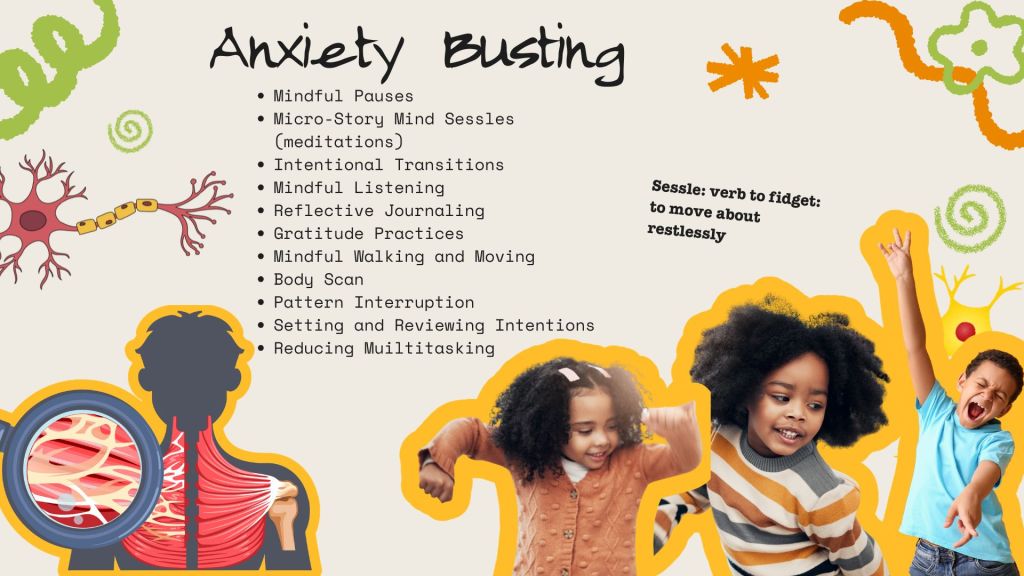
Movement also supports physical wellness. Students learn how to listen to their bodies, how to move safely, and how to build stamina and coordination. They discover that physical expression can reduce stress and increase confidence.
Building Forward Motion Transferable Skills
Teaching artists build the skills that matter everywhere.
- Self regulation Students learn to pause, breathe, reset, and choose their next step with intention.
- Creative problem solving When choreography changes or a partner needs support, students adapt, invent, and try new approaches.
- Emotional literacy Movement helps students identify feelings, express them safely, and understand the emotions of others.
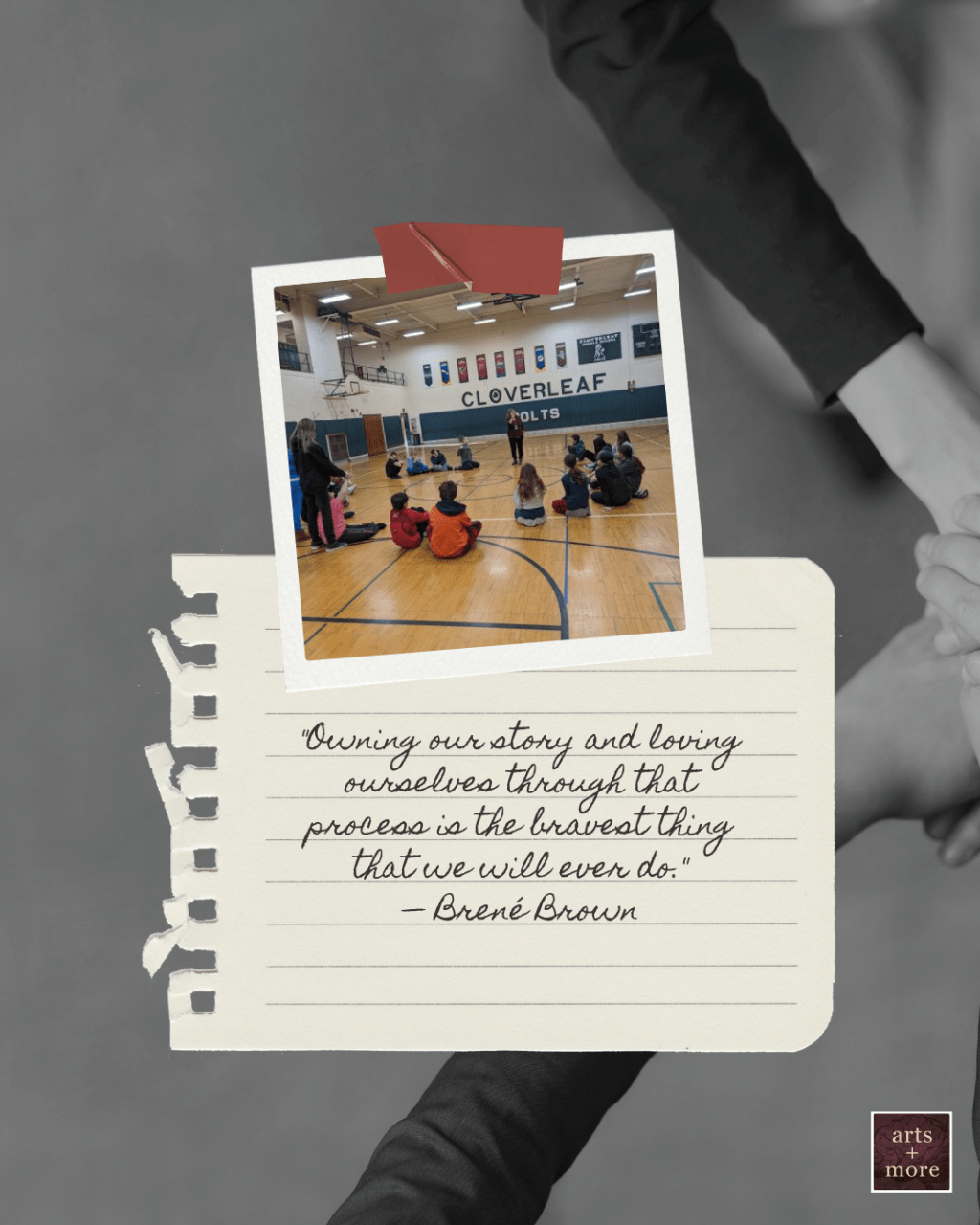
- Collaboration Kiddos learn to listen, adapt, and work with different personalities. They discover how to be part of something bigger than themselves.
- Spatial awareness Students learn how to navigate space, respect boundaries, and move with purpose.
These skills are not abstract. They show up in classrooms, hallways, homes, and future workplaces.
Leadership Insight
Performing artists learn to lead with positive influence, not a title. Teaching artists model leadership that is grounded in clarity, kindness, and accountability. Students learn that leadership is not about being in front. It is about guiding others with respect, consistency, and care.
They also learn work ethic and process goals. Kiddos discover how to show up consistently and how to break big goals into small wins. They learn that progress is built one rehearsal, one revision, one brave attempt at a time.
Responsibility and time management grow naturally. Dancers learn how to balance training, school, and life commitments. They learn how to prepare, how to follow through, and how to honor their role in a group.
Clear Academic Transfer
Movement arts integration supports academic learning in powerful ways. Emotional regulation helps students stay focused. Collaboration strengthens group work. Creative problem solving supports math, science, and writing. Spatial awareness supports geometry and early literacy. Leadership skills help students participate fully in classroom communities.
When teaching artists enter schools, they bring more than dance. They bring a framework for learning that strengthens the whole child.
Ready to bring consistency, trust, and impact to your work?
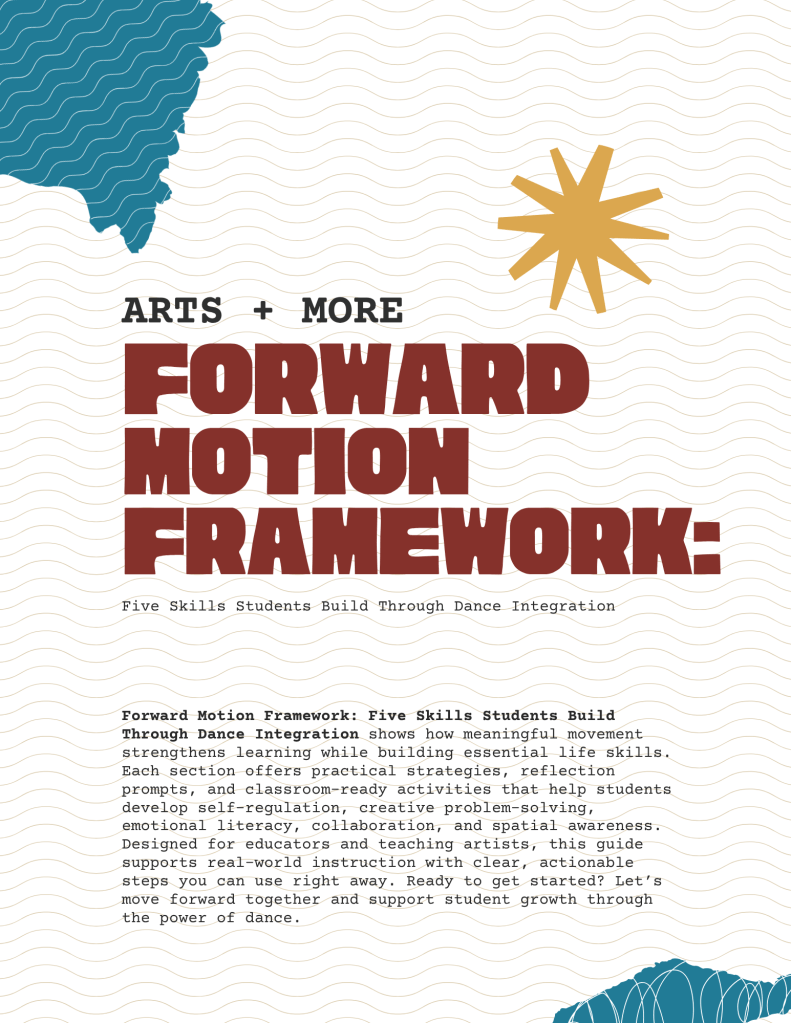
I invite you to download the Forward Motion Framework for practical tips to clarify your goals, identify barriers, and create an action plan for forward movement…
…WHICH MEANS you’ll start showing up with intention for your students and your creative projects today.
If you’ve found value in this work, I would love to hear from you. A short testimonial, Google Review, or comment helps me improve and shows others the difference we’re striving to make together.

Leave a Reply