

In the world of sports, the difference between a good athlete and an elite performer often lies in their mental approach. While many athletes rely on positive self-talk to boost their confidence, the top 1% tend to adopt a more grounded strategy: focusing on neutral facts. This article explores how integrating movement arts can strengthen mental, physical, and emotional wellness, build transferable skills, and provide valuable leadership insights for students.
The Role of Movement Arts in Wellness
Movement arts, encompassing disciplines such as dance, martial arts, and yoga, profoundly impact an individual’s overall well-being. Engaging in these practices fosters:
1. Mental Wellness
Movement arts encourage mindfulness and present-moment awareness. By focusing on the body’s movements and sensations, individuals can reduce anxiety and enhance their mental clarity. This mental state is crucial for elite athletes who need to remain focused under pressure.
2. Physical Wellness
Regular engagement in movement arts builds strength, flexibility, and coordination. These physical benefits not only improve athletic performance but also contribute to overall health.
3. Emotional Wellness
Movement arts provide a creative outlet for self-expression, helping individuals develop emotional literacy. Athletes who understand and manage their emotions can navigate high-pressure situations more effectively.
Building Forward Motion Transferable Skills
Engaging in movement arts cultivates essential skills that extend beyond sports, including:
Self-Regulation
Elite athletes use neutral facts to regulate their emotions and reactions. By focusing on observable elements rather than subjective feelings, they can maintain composure under pressure. This ability to self-regulate is invaluable for students facing academic challenges.
Creative Problem-Solving
Movement arts often require quick thinking and adaptability. Athletes learn to assess situations and devise strategies on the fly, a skill that translates to effective problem-solving in various contexts.
Emotional Literacy
Understanding one’s emotions and those of others is crucial in both sports and life. Movement arts encourage participants to explore emotional responses, enhancing their ability to empathize and communicate effectively.
Collaboration
Many movement arts involve teamwork, teaching athletes the importance of collaboration. This skill is vital in both academic and professional settings, where working with others is often essential.
Spatial Awareness
Movement arts enhance spatial awareness, allowing athletes to navigate their environment effectively. This skill is beneficial not only in sports but also in everyday activities, aiding in tasks that require physical coordination.
Leadership Insight: The Power of Neutral Facts
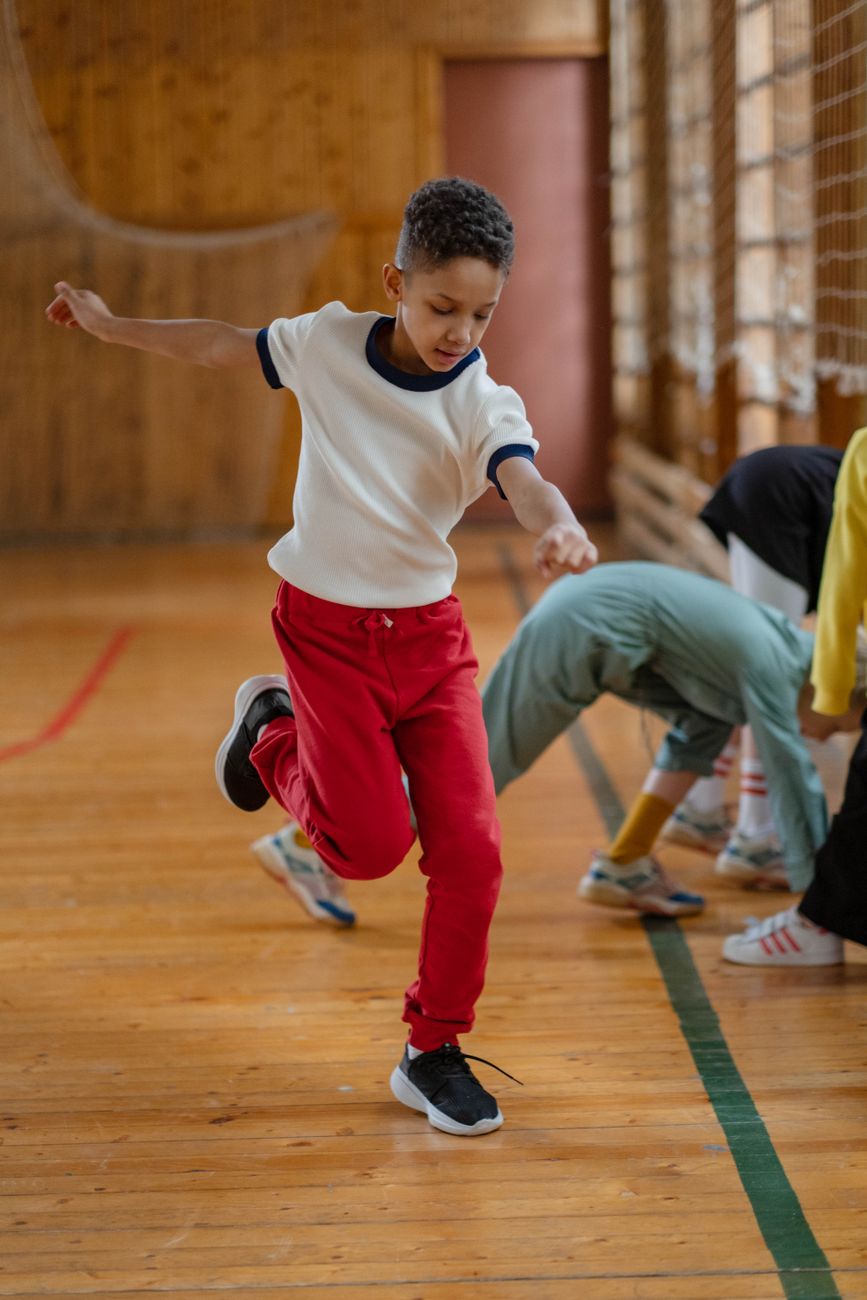
The leadership insight gained from focusing on neutral facts is profound. Top athletes understand that self-hype can lead to increased pressure and anxiety. Instead, they ground themselves in reality by observing and acknowledging neutral facts. For example, instead of saying, “I’m going to win,” they might focus on their preparation, the conditions of the day, or their past performances.
This approach encourages a mindset shift from fear of failure to confidence in one’s abilities. By teaching students to recognize and embrace neutral facts, educators can help them transition from panic to performance, cultivating resilience in the face of challenges.
Academic Transfer for Students
The principles learned through movement arts and the use of neutral facts have clear academic applications. Students can benefit from:
- Stress Management Techniques: Understanding how to stay calm under pressure can enhance test performance and classroom participation.
- Improved Focus and Attention: The mental discipline cultivated through movement arts can transfer to improved concentration in academic settings.
- Enhanced Collaboration Skills: Working with peers in movement arts can translate to better teamwork in group projects.
Conclusion
The top 1% of athletes exemplify the power of focusing on neutral facts to enhance performance. By integrating movement arts into education and athletic training, we can foster mental, physical, and emotional wellness while building essential transferable skills. As students learn to navigate challenges with a grounded mindset, they prepare themselves for success both in sports and in life. Embracing this approach not only cultivates elite athletes but also empowers the next generation of leaders.
Ready to bring consistency, trust, and impact to your work?
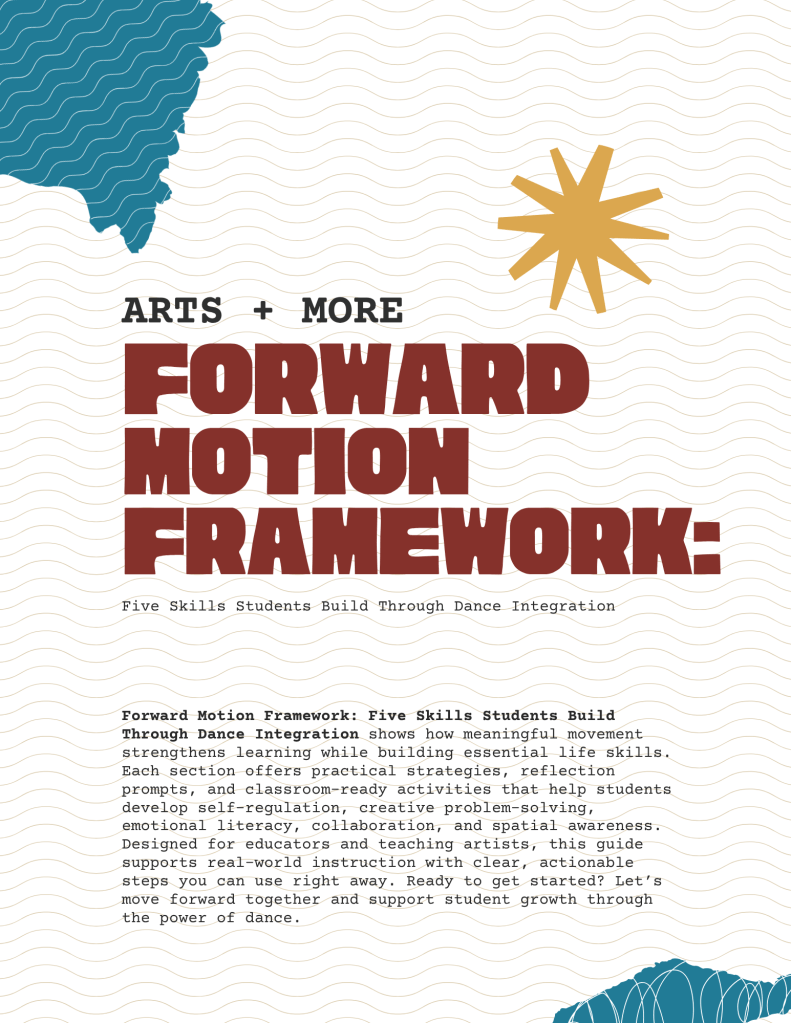
I invite you to download the Forward Motion Framework for practical tips to clarify your goals, identify barriers, and create an action plan for forward movement…
…WHICH MEANS you’ll start showing up with intention for your students and your creative projects today.
If you’ve found value in this work, I would love to hear from you. A short testimonial, Google Review, or comment helps me improve and shows others the difference we’re striving to make together.


Leave a Reply