
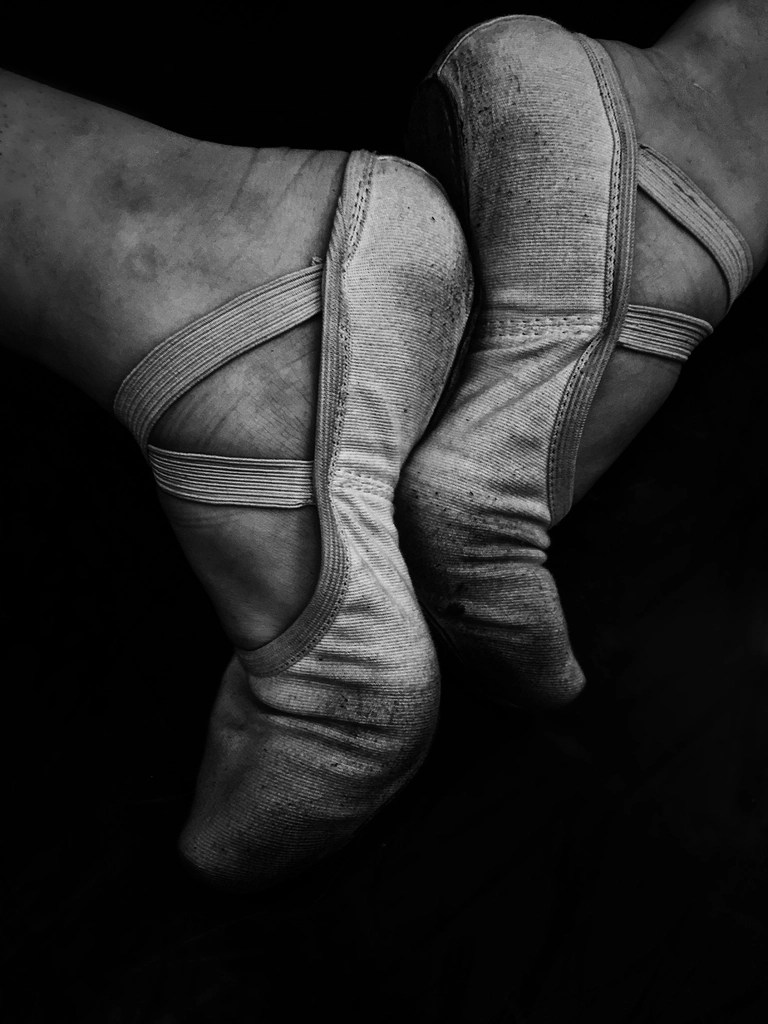
Teaching Artists, I want to speak directly to you. You’re the ones who pour yourselves into classrooms all day and then step into the studio at night to create, rehearse, refine, and hold space for your own artistry.
If you’ve ever wondered why you can’t “turn off” after work, here’s the truth:
It’s not a lack of discipline.
You’re experiencing a prefrontal cortex flooded with cortisol, a brain that has temporarily lost the ability to downshift. When you push harder even though you’re exhausted, and you think you’re driven, and you’re worried you may be lazy, you’re not failing. You’re experiencing a nervous system that has forgotten the difference between threat and ambition.
Try not to feel guilty the moment you stop being productive.
That guilt is simply a brain that has wired stillness into the same circuitry as failure.
And when you hit the wall out of nowhere? That’s not a weakness.
That’s your prefrontal cortex hitting its glucose limit and shutting down executive function to protect you.
Of course, you’ve noticed the pattern: the moment you finally take a break or go on vacation ((( boom ))) you get sick. That’s your immune system finally receiving the message that the threat is over and releasing everything it was holding while you were coping, creating, teaching, and giving.
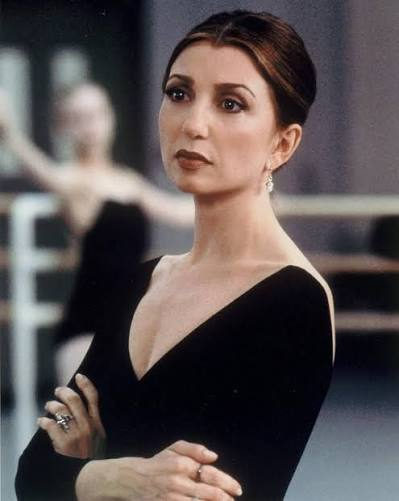
There’s a moment in the movie Center Stage (2000) when the dance instructor, Donna, portrayed by Juliette Simone, tells Eva Rodriguez’s character, Zoe, this poignant message: “The unwise dancers blame others. The smart ones know where to look when things get rough — it’s here,” and she places her hand on the barre.
Teaching Artist, that’s your reminder. Stay in class.
Stay connected to the practices that keep your body, mind, and spirit aligned. Not for productivity, but for mental hygiene. For wholeness.
For years, many of us believed burnout meant we needed to fix our mindset:
Wake up earlier.
Try harder.
Build more discipline.
Stop being “lazy.”
But you can’t shame an exhausted nervous system into feeling safe again.
When your body has lived in survival mode for months or years:
- Rest feels uncomfortable
- Slowing down feels wrong
- Doing nothing feels like falling behind
- And eventually your body forces you to stop because you ignored the smaller signals
The brain fog.
The emotional numbness.
The constant fatigue.
The inability to switch off.
The feeling of being tired but never truly relaxed.
Healing isn’t just about removing stress; it’s about teaching your body that it’s finally safe enough to recover.
And because Teaching Artists deserve that kind of recovery, I want you to know something exciting:
The Teaching Artist Tool Kit is getting a full overhaul and it will be ready just in time for Back‑to‑School planning.
It’s being redesigned with your nervous system, your artistry, and your classroom reality in mind. Tools that support regulation, creativity, clarity, and sustainable practice — not hustle, not depletion, not martyrdom.
Because you don’t need more pressure.
You need permission to recover.
You need structures that support you, not drain you.
You need resources that honor both your craft and your humanity.
And you deserve all of that — without apology.
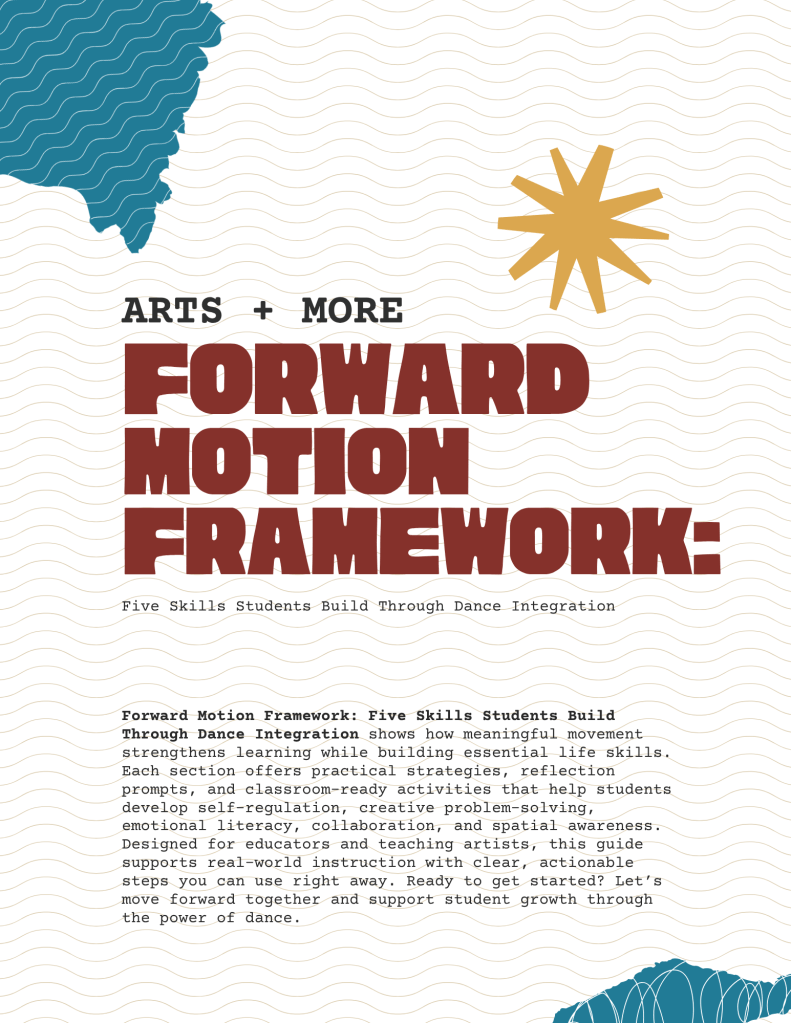
In the meantime, be sure to download the updated Forward Motion Framwork
Ready to bring consistency, trust, and impact to your work?
I invite you to download the Forward Motion Framework for practical tips to clarify your goals, identify barriers, and create an action plan for forward movement…
…WHICH MEANS you’ll start showing up with intention for your students and your creative projects today.
If you’ve found value in this work, I would love to hear from you. A short testimonial, Google Review, or comment helps me improve and shows others the difference we’re striving to make together.


Leave a Reply