
Hello readers!
It’s been a few weeks, hasn’t it?
This spring was full. My husband and I completed the process of building and moving into a new home while both working full-time. Between my own professional development, grant writing for clients, spring concerts, proposals, and leading a fourth-grade flash-mob, life moved at a rapid pace. It was exciting, rewarding, and exhausting all at once.
As summer begins, I’m looking forward to sharing a fresh collection of articles about what teaching artists actually experience in the field and how movement arts integration creates measurable outcomes for students and educators.
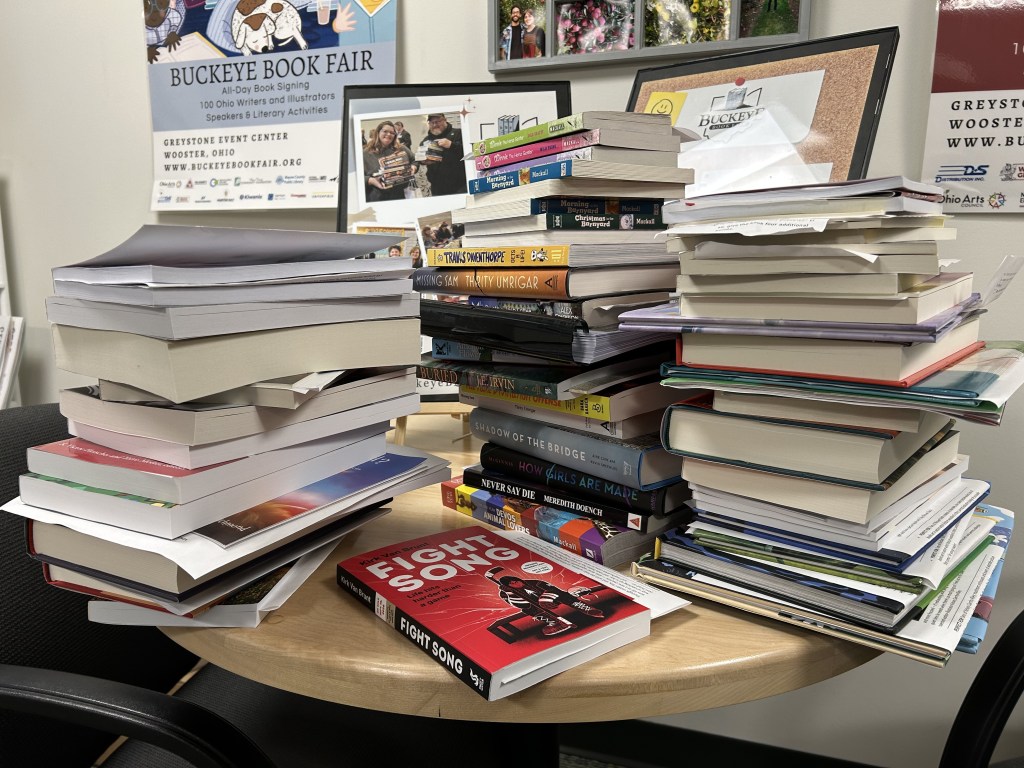
This time of year, I often shift from lessons centered around math, science, and movement into literacy, storytelling, and reading connections. This is because my workload shifts to connecting with authors as I plan the 39th Annual Buckeye Book Fair! Today, I’d like to introduce a professional development workshop I’ll be sharing with several districts before the event.
The Leadership Challenge
Educators are facing a growing concern: students are being asked to demonstrate attention, communication, and comprehension skills that many have had fewer opportunities to actively practice. You see it firsthand as a Teaching Artist because the students “get you,” and they will accomplish skills with you that they find difficult to perform for their classroom teachers.
Teachers often see the symptoms—difficulty sustaining focus, weak listening skills, limited vocabulary use, and challenges organizing thoughts into coherent narratives. The question becomes: How do we build these skills in ways that are engaging, memorable, and developmentally appropriate?
A Story from the Field
Throughout my work with Buckeye Book Camp, Student Lit Day, Young Authors Conference, and literacy-focused residencies, I’ve observed a consistent pattern.
Students who may hesitate to participate during traditional reading discussions often become fully engaged when stories are paired with movement and physical activity. When students physically represent characters, act out plot sequences, or collaborate to create story environments, participation changes. Students begin offering predictions, asking questions, contributing ideas, and making connections that were previously absent.
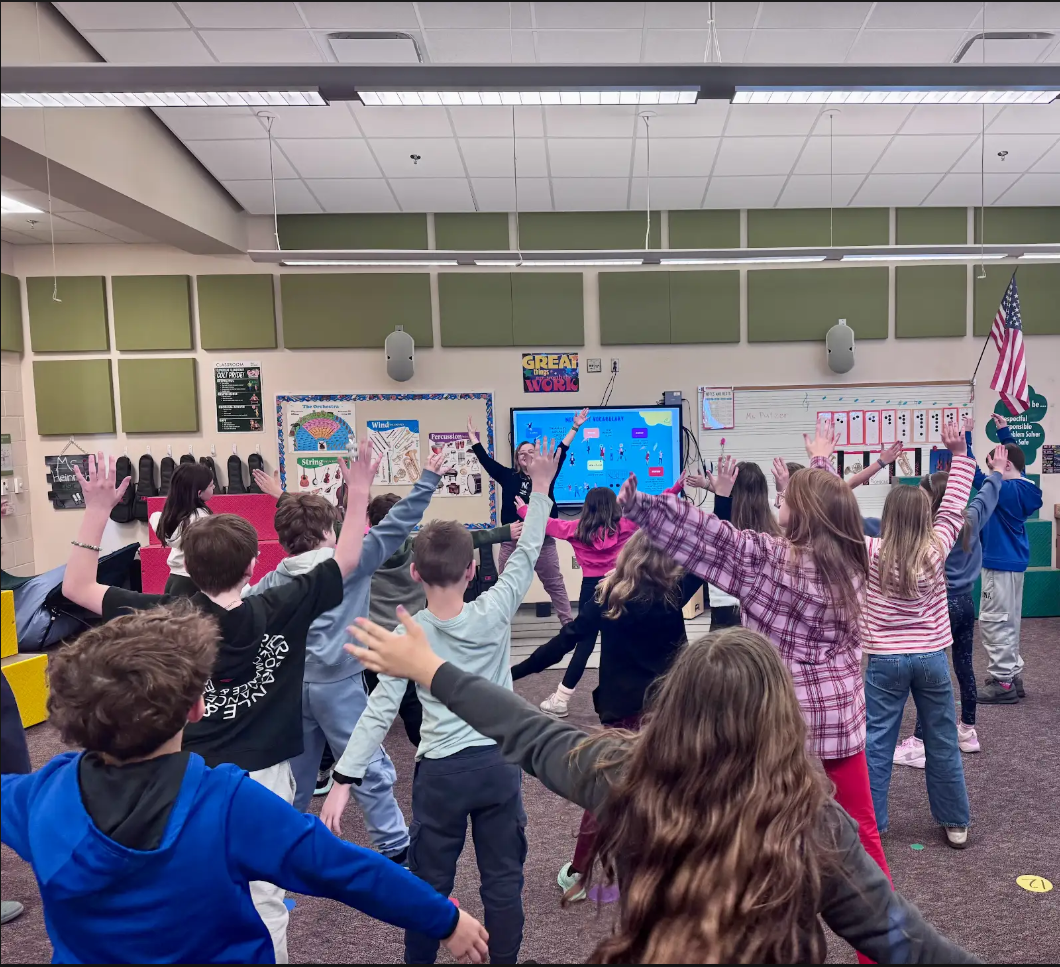
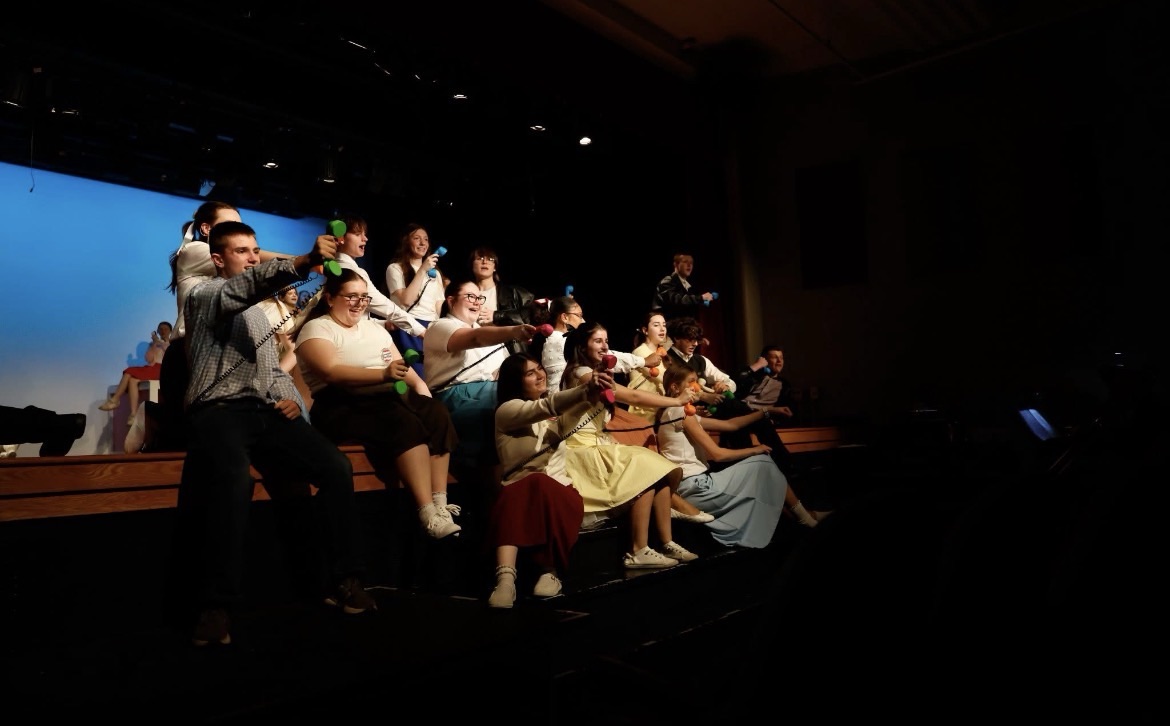
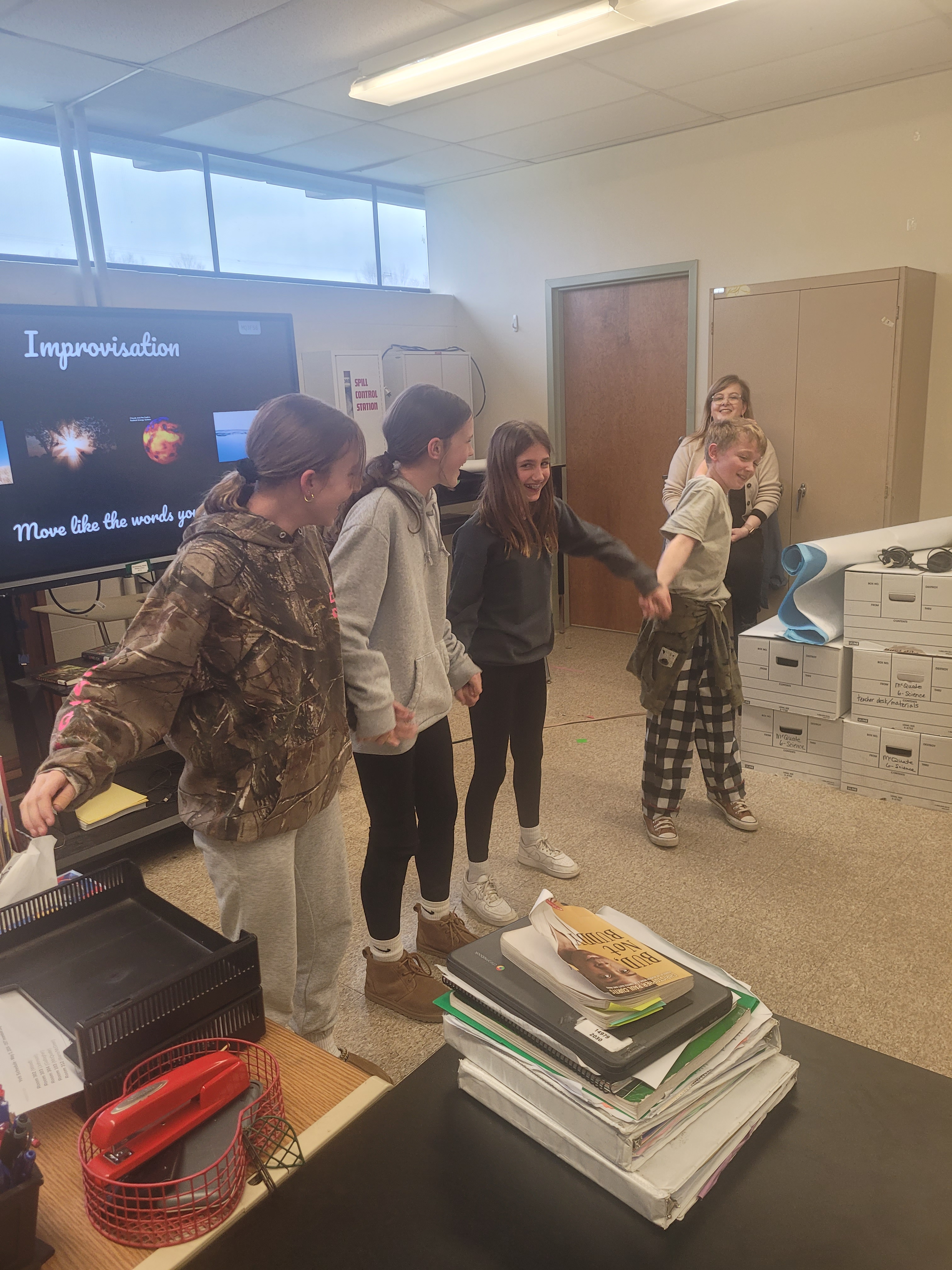
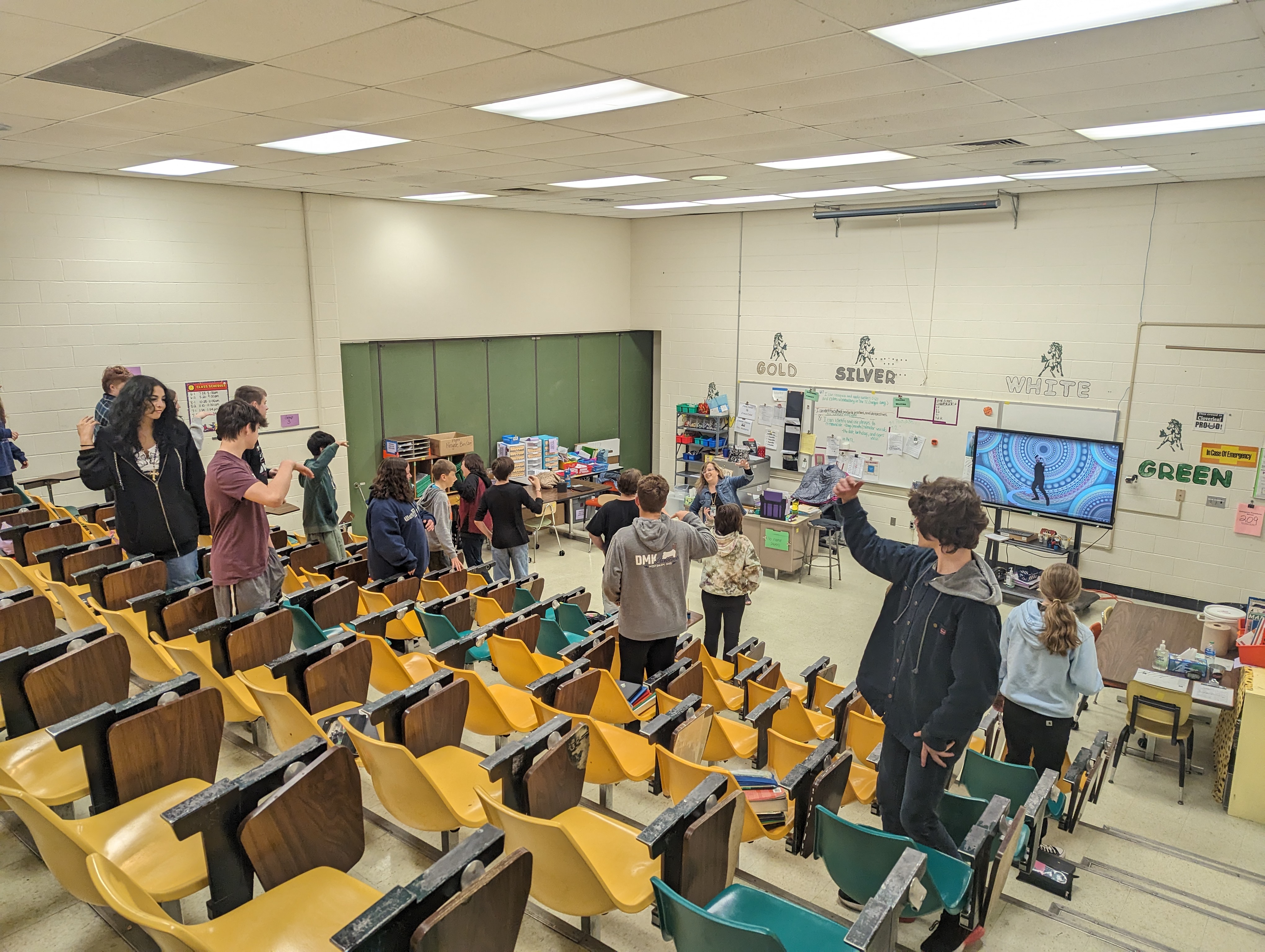
The shift is observable. Students move from passive consumers of stories to active builders of meaning. They practice listening more carefully because their actions depend on understanding the narrative. They become more willing to communicate because the learning environment invites participation rather than performance.
Asset Development
Let’s help students strengthen attention, communication, emotional literacy, and comprehension.
Through movement-based storytelling experiences, students develop self-regulation as they respond to cues, collaborate with peers, and adapt their actions within a shared learning environment. They also strengthen spatial awareness as they physically organize themselves within a story structure and respond to changing circumstances.
These are not simply literacy activities. They are opportunities to develop the cognitive, social, and emotional infrastructure that supports learning.
Forward Motion Skill + Leadership Insight
One of the most important transferable skills developed through storytelling and movement is creative problem-solving.
Every story presents a challenge. Characters face obstacles, make decisions, adjust plans, and respond to consequences. When students embody these experiences through movement, they rehearse the same thinking processes leaders use every day.
The leadership insight is simple: students do not become effective communicators, collaborators, or problem-solvers by being told about those skills. They develop them through repeated practice in meaningful contexts.
Storytelling creates those contexts naturally.
Storytelling Strategies & Literacy Connections:
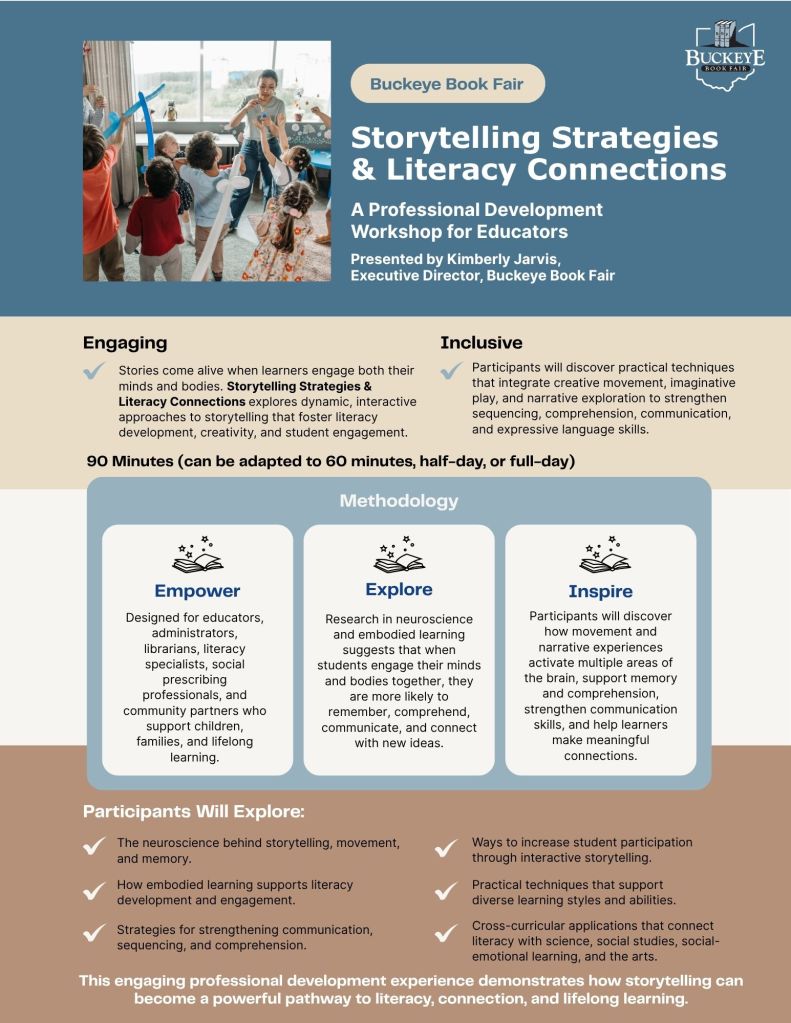
This professional development workshop explores the growing body of research surrounding embodied learning. That is the concept that learning is strengthened when the mind and body work together. Participants discover how movement can support memory, attention, comprehension, communication, and student engagement. More importantly, they experience these concepts firsthand through interactive activities that can be adapted for classrooms, libraries, after-school programs, and community learning environments.
Students don’t just learn with their brains; they learn through experiences. When movement, creativity, and storytelling come together, students become active participants in the learning process rather than passive recipients of information.
Throughout the session, participants explore how storytelling naturally supports literacy development by strengthening skills such as sequencing, prediction, vocabulary development, listening, speaking, and comprehension. They also learn how movement can help students better understand narrative structure, character development, and problem-solving.
The workshop is particularly valuable because it extends beyond traditional literacy instruction. Educators discover practical applications across multiple subject areas, including science, social studies, social-emotional learning, and the arts. Participants leave with adaptable strategies that support diverse learning styles and create opportunities for all students to engage more deeply with content.
I’ll bring a unique perspective to this conversation. Through my work with the Buckeye Book Fair, Student Lit Day, the Young Authors Conference, and Buckeye Book Camp, I’ve witnessed firsthand how storytelling and creative engagement can transform students’ relationships with reading, writing, and self-expression. I’ve seen reluctant readers become enthusiastic participants, shy students find their voices, and young people develop lasting connections with books, authors, and their own stories.
At its core, Storytelling Strategies & Literacy Connections is not simply about literacy. It is about creating learning experiences that students remember.
Email: Info@ArtsMore.Art for Booking Information
When students strengthen attention, sequencing, communication, and creative problem-solving through storytelling experiences, those skills transfer directly to reading comprehension, writing development, participation in discussions, and content retention across subject areas.
The next time you plan a literacy lesson, consider this question:
Are students simply receiving the story, or are they actively experiencing it?
The answer may reveal new opportunities to strengthen both literacy and leadership through movement.
Ready to bring consistency, trust, and impact to your work?
I invite you to download the Forward Motion Framework for practical tips to clarify your goals, identify barriers, and create an action plan for forward movement…
…WHICH MEANS you’ll start showing up with intention for your students and your creative projects today.
If you’ve found value in this work, I would love to hear from you. A short testimonial, Google Review, or comment helps me improve and shows others the difference we’re striving to make together.


Leave a comment