Arts integration, defined by the Kennedy Center as “an approach to teaching in which students construct and demonstrate understanding through an art form. Students engage in a creative process which connects an art form and another subject and meets evolving objectives in both”
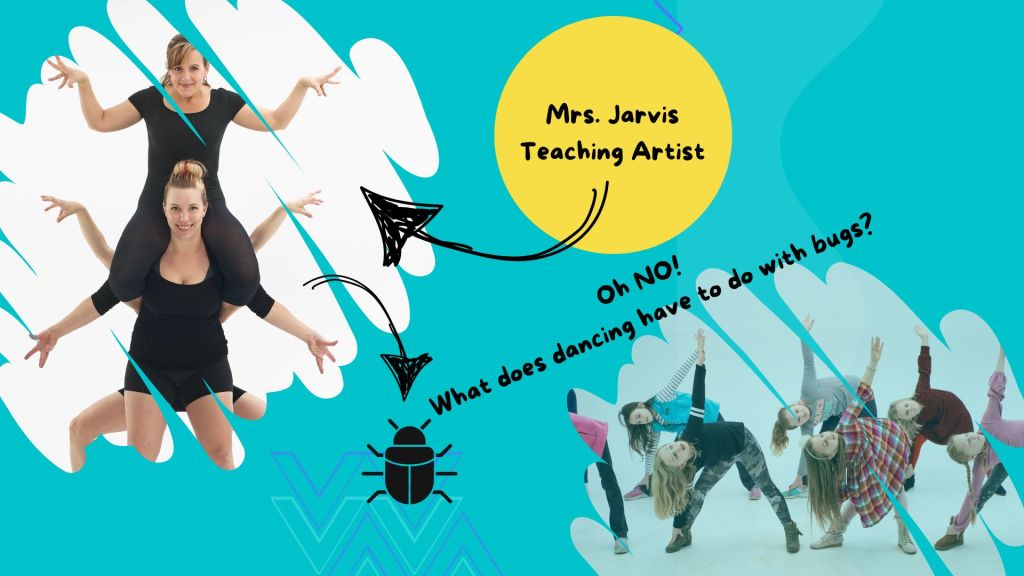
My approach to a teaching artist pedagogy began when I experienced academic success, as a child, by integrating dance and movement into my schoolwork. Long before I had language for it, I was activating the brain systems that support attention, memory, and comprehension—motor cortex, cerebellum, and the hippocampal networks that help us encode new learning. Movement made learning “stick,” and that early experience shaped everything that followed.
I was drawn to becoming a teaching artist during college while studying with Anne Green Gilbert at The University of Akron. Through her work, I began to understand the neuroscience behind why integrative teaching is so powerful: when students move, they engage multisensory pathways, strengthen neural connections, and deepen conceptual understanding. This realization transformed my curiosity into a calling.
Integrative teaching experiences became my passion when I understood the power of designing, assembling, constructing, formulating, and creating dances for learning. Choreographic thinking mirrors cognitive processes—sequencing, pattern recognition, spatial reasoning, and problem‑solving—all of which are supported by the brain’s executive function networks. When students embody ideas, they activate mirror neurons, emotional processing centers, and narrative circuits that make learning more meaningful and memorable.
I envision the role of an artist in an educational setting as a combination of data‑driven inspiration and collaborative planning with schools and communities. Neuroscience reinforces what artists have long known: learning is most effective when it is embodied, emotionally engaging, and socially connected. As a teaching artist, I design experiences that leverage these principles to support academic growth, creativity, and student agency.
On multiple occasions, I’ve provided a portfolio for administrators and teachers to select from—curated experiences that align artistic practice with cognitive development, curriculum goals, and the unique needs of each school community.rating dance and movement into my school work. I was drawn to becoming a teaching artist during college while studying with Anne Green Gilbert at The University of Akron. Integrative teaching experiences became my passion when I understood the power of designing, assembling, constructing, formulating, and creating dances for learning. I envision the role of an artist in an educational setting to be a combination of data-driven inspiration and collaborative planning with schools and communities. On multiple occasions, I’ve provided a portfolio for administrators and teachers to make a selection from.
Kimberly Jarvis, Click for Biography and Resume
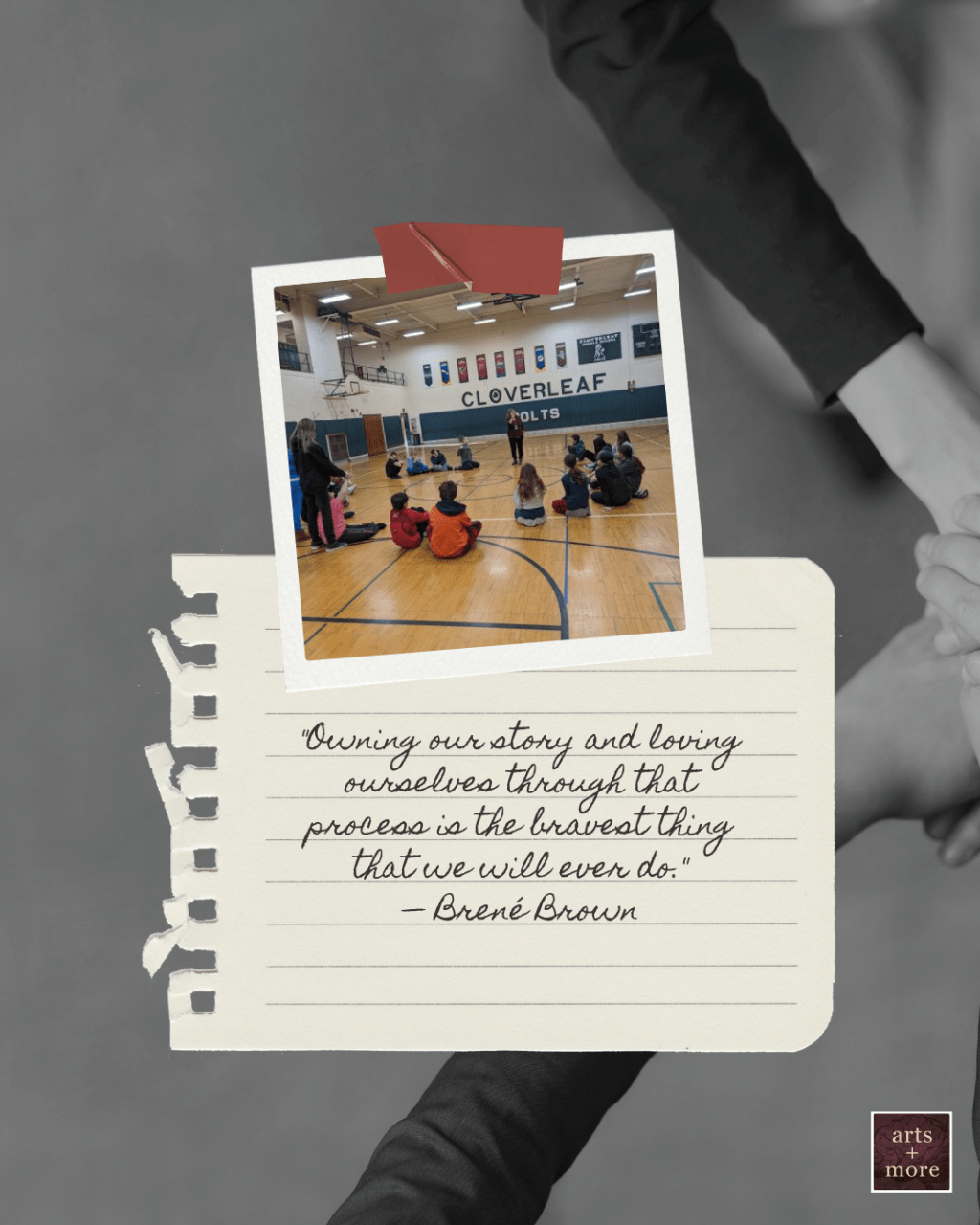
As a teaching artist Jarvis has given lecture demonstrations at; Gymnastikhoskolen in Viborg, Denmark; The Health and Science Ministry in Simferopol, Ukraine; Muskingum College; Malone University; The University of Akron; Walsh University; Mount Union College; and served as adjunct faculty at Kent State University Stark Campus. She has conducted integrative classes in math, science, character development, mindfulness, diversity, and language arts through dance at The Arts Academy at Summit, Canton City Schools, Portage Collaborative Montessori School, Minerva Local Schools, Plain Local Schools, St. Mary’s, Akron Public Schools, Wooster City Schools, Green Local Schools, Holmesville Elementary, Fredricksburg Elementary, and Cloverleaf Local.
- Math & Science Movers
- Lessons for K-6th Grades ~ Coordinate Plane, Rotation, Translation, Reflection, Angles, Triangles, Frontal Plane, Transverse Plane, Quadrilateral, Similar & Congruent, Tessellations, Pi, Diameter, Radius, 2D & 3D, Perimeter, Surface Area, Volume, Graphs, Data Collection, Data Analysis
- Lessons or K-2nd ~ Plane Shapes, Lines
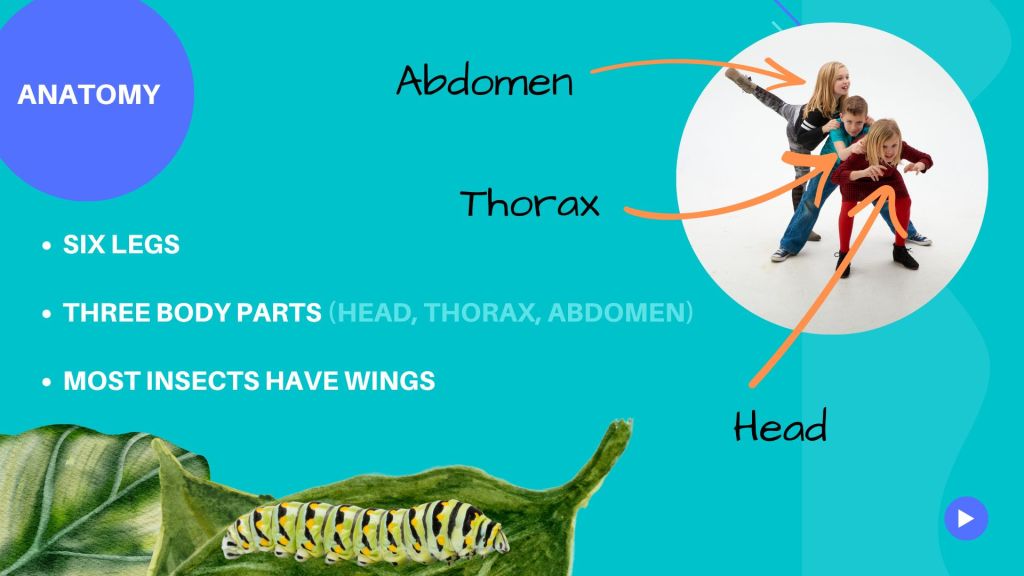
- Lessons for 3rd-5th ~ Scientific Method, Biosphere, Atmosphere, Air Masses & Fronts, Storms, Plate Tectonics, Volcanoes, State of Matter, Lifecycle of Insect, Solar System
- Lessons for K-2nd ~ Life Cycles
- English Language Arts
- Lessons for K-6th Grades
- Social Studies
- Lessons for K-12th Grades
- Social and Emotional
- Lessons for K-12th Grades
- Leadership
- Testing Strategies
- Trustworthiness, Respect, Responsibility, Fairness, Caring, Citizenship
- PeaceMOVEMENT ~ Expressive Therapy collaborative