
Welcome back!
The past several weeks have been a season of momentum. Alongside my husband, I wrapped up the journey of building a new house and settling into it while balancing the demands of full-time work. Spring also brought professional learning opportunities, client grant projects, concert season, program planning, and the joy of coordinating a fourth-grade flash mob.
There were plenty of long days, full calendars, and meaningful accomplishments along the way.
With summer now underway, I’m excited to return to writing and share a new series of lesson plans for the future! In the weeks ahead, we’ll explore practical examples of movement arts integration in action and examine how these approaches support student achievement, educator effectiveness, and whole-child development.
Without further ado ~ Who doesn’t love a Stage Right vs. Stage Left Storm Dance OFF!
Grade Level
3rd–5th Grade
Duration
1 Class Period (30–45 minutes)
Standards
Science Standards
Earth and Space Science
- Weather changes are caused by differences in air temperature, humidity, and air movement.
- Air masses are large bodies of air that have similar temperature and moisture throughout.
- Fronts occur when different air masses meet and can result in changes in weather.
- Scientific observations can be used to describe and predict weather patterns.
Dance Standards
Creating
- Explore and experiment with movement to represent ideas and concepts from other subject areas.
- Use movement qualities and spatial relationships to communicate meaning.
Performing
- Demonstrate body control, spatial awareness, and safe movement practices.
- Perform movement sequences using a variety of levels, pathways, and movement qualities.
Responding
- Observe, describe, and interpret movement using dance vocabulary.
- Make connections between movement choices and the ideas they represent.
Connecting
- Recognize how dance can be used to understand and communicate concepts from science and everyday life.
- Explore relationships between movement, observation, and learning.
Essential Questions
- What is an air mass?
- What happens when warm and cold air masses meet?
- How can movement help us understand weather?
Learning Objectives
Students will:
- Identify warm and cold air masses.
- Define a front as the area where two air masses meet.
- Use movement qualities, levels, and relationships to represent air masses.
- Make scientific observations about movement and weather patterns.
- Describe weather concepts using both science and dance vocabulary.
Success Criteria
Understanding Air Masses
- I can explain what an air mass is.
- I can identify warm and cold air masses.
Scientific Observation
- I can observe and describe what I see using scientific language.
- I can explain what happens when two air masses meet.
Movement Exploration
- I can use movement to show a warm or cold air mass.
- I can use different levels and movement qualities to communicate ideas.
Dance Vocabulary
- I can describe movement using words such as strong, light, high, middle, low, near, far, over, under, around, and through.
Vocabulary
Science Vocabulary
Air Mass
Temperature
Humidity
Moisture
Front
Weather
Observation
Dance Vocabulary
Weight: Strong, Light
Level: High, Middle, Low
Relationship: Near, Far, Over, Under, Around, Through
Materials
- Open movement space
- Weather images or diagrams (optional)
- Science journals or paper
- Pencils
Lesson Activities
Activity One: What Is an Air Mass?
Explain that Earth’s atmosphere contains large bodies of air called air masses.
An air mass has similar temperature and moisture throughout.
Some air masses are warm. Some air masses are cold.
The place where two different air masses meet is called a front.
Ask students:
- Have you ever noticed weather changing suddenly?
- What kinds of weather might happen when warm and cold air meet?
Record student ideas.
Activity Two: Observe Like a Scientist
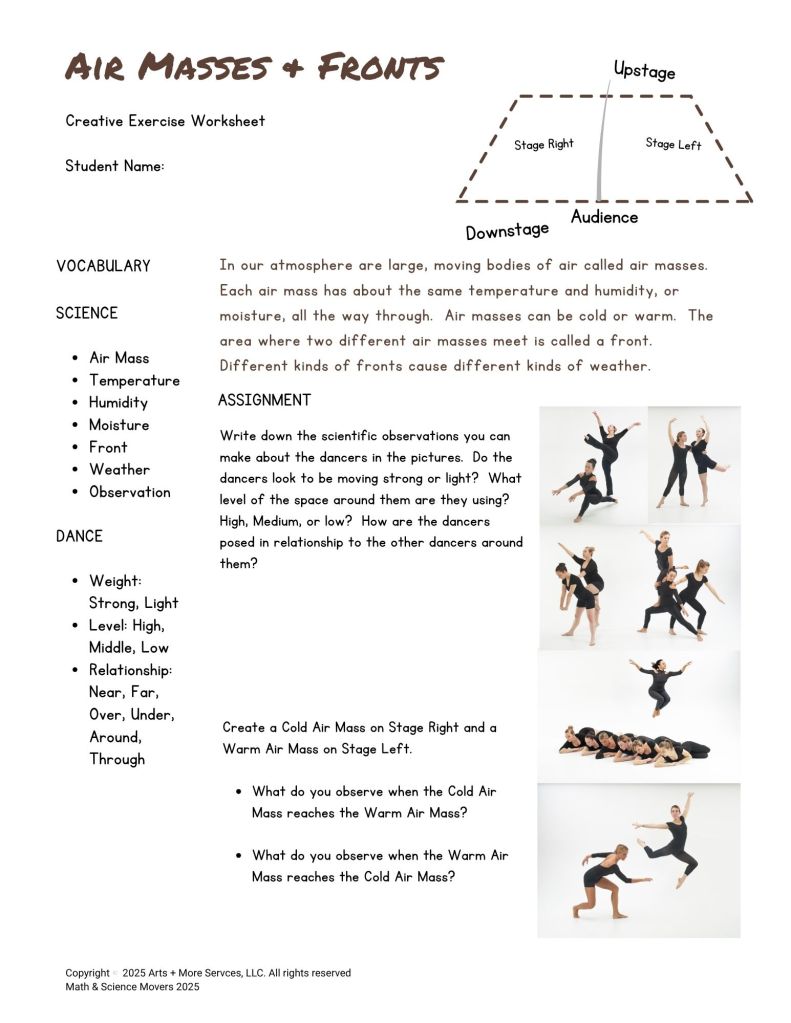
Show a photograph or demonstration of dancers moving together.
Students become scientists and make observations.
Ask:
- Do the dancers appear to be moving strong or light?
- Are they using high, middle, or low levels?
- Are they near or far from one another?
- Do they move over, under, around, or through other dancers?
Students write or share their observations.
Discuss how scientists observe carefully before drawing conclusions.
Activity Three: Create Air Masses
Divide the class into two groups.
Warm Air Mass
Assign one group as a warm air mass.
Invite students to explore:
- Light movement
- High and middle levels
- Smooth pathways
Cold Air Mass
Assign the other group as a cold air mass.
Invite students to explore:
- Strong movement
- Middle and low levels
- Direct pathways
Allow students time to practice moving as a group.
Discuss how their movement choices help communicate temperature.
Activity Four: Create a Front
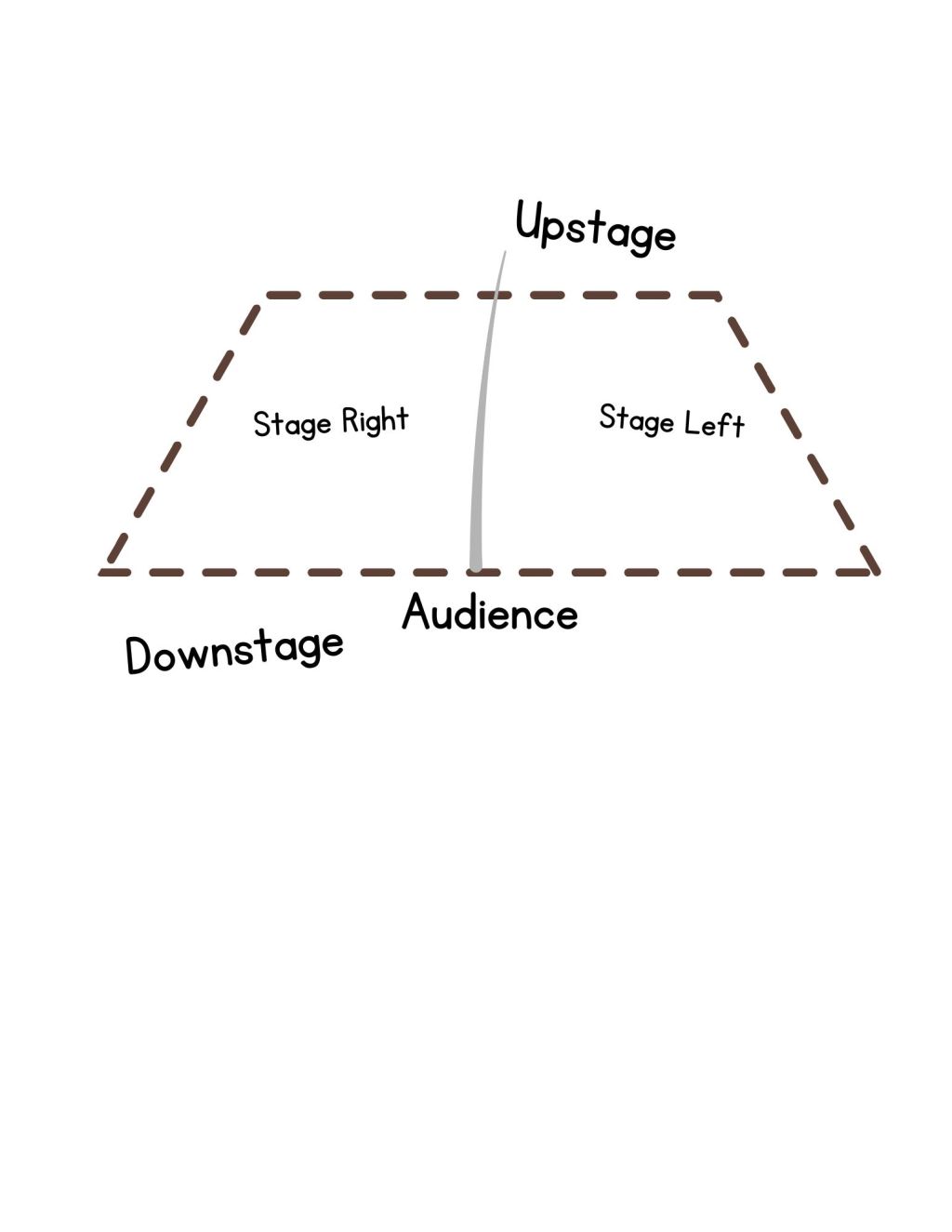
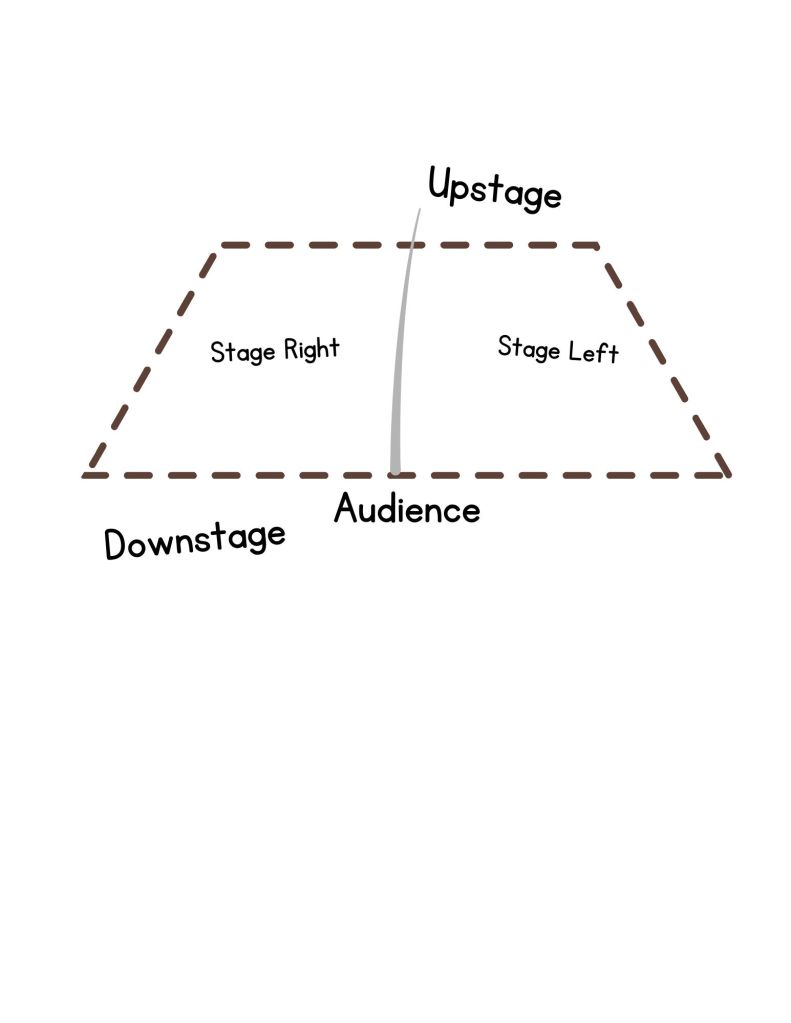
Place the Cold Air Mass on Stage Right.
Place the Warm Air Mass on Stage Left.
Investigation One
The Cold Air Mass slowly moves toward the Warm Air Mass.
Pause the action and ask:
- What do you observe?
- How are the groups relating to one another?
- What movement words can describe what you see?
Students use science and dance vocabulary to describe their observations.
Investigation Two
Return to starting positions.
This time the Warm Air Mass moves toward the Cold Air Mass.
Pause and discuss:
- What do you observe now?
- What is different?
- What movement relationships do you see?
Encourage multiple observations.
Activity Five: Reflect and Connect
Gather students together.
Ask:
- What is an air mass?
- What is a front?
- How did movement help you understand weather?
Discuss how scientists and dancers both observe patterns and relationships.
Adaptations and Modifications
Learner Needs Addressed
Students with varying physical, sensory, language, or learning needs.
Adapted Materials
- Picture vocabulary cards
- Visual movement cues
- Weather illustrations
- Seated movement options
Instructional Strategies
- Model movement before asking students to perform.
- Use repeated vocabulary throughout the lesson.
- Provide verbal and visual directions.
- Allow students multiple ways to demonstrate understanding.
Peer Support & Grouping Ideas
- Pair students for discussion and observation.
- Use mixed-ability groups during movement exploration.
- Encourage peer modeling and collaboration.
Assessment
Observation
Teacher observes:
- Use of science vocabulary
- Use of dance vocabulary
- Ability to represent warm and cold air masses through movement
- Participation in scientific observation and discussion
Exit Ticket
Complete the following:
- An air mass is ____________________.
- A front is ____________________.
- One movement I used to show a warm or cold air mass was ____________________.
Lesson Conclusion
Weather is constantly changing because air masses are moving and interacting in Earth’s atmosphere. Today, students explored these scientific concepts through movement, observation, and discussion. By becoming both scientists and dancers, students experienced how warm and cold air masses behave and what happens when they meet to form a front. Through dance, students transformed an abstract weather concept into a physical and memorable learning experience.
Ready to bring consistency, trust, and impact to your work?
I invite you to download the Forward Motion Framework for practical tips to clarify your goals, identify barriers, and create an action plan for forward movement…
…WHICH MEANS you’ll start showing up with intention for your students and your creative projects today.
If you’ve found value in this work, I would love to hear from you. A short testimonial, Google Review, or comment helps me improve and shows others the difference we’re striving to make together.



Leave a comment