

If empowerment is the goal, consistency matters.
Not every student walks into school feeling like they belong. Some stay quiet, some disengage, some comply without investment. The performing arts quickly change that dynamic. When students are given real roles like stage manager, section leader, choreographer, and lighting designer, they are not just participating. They are contributing to a shared outcome that depends on them.
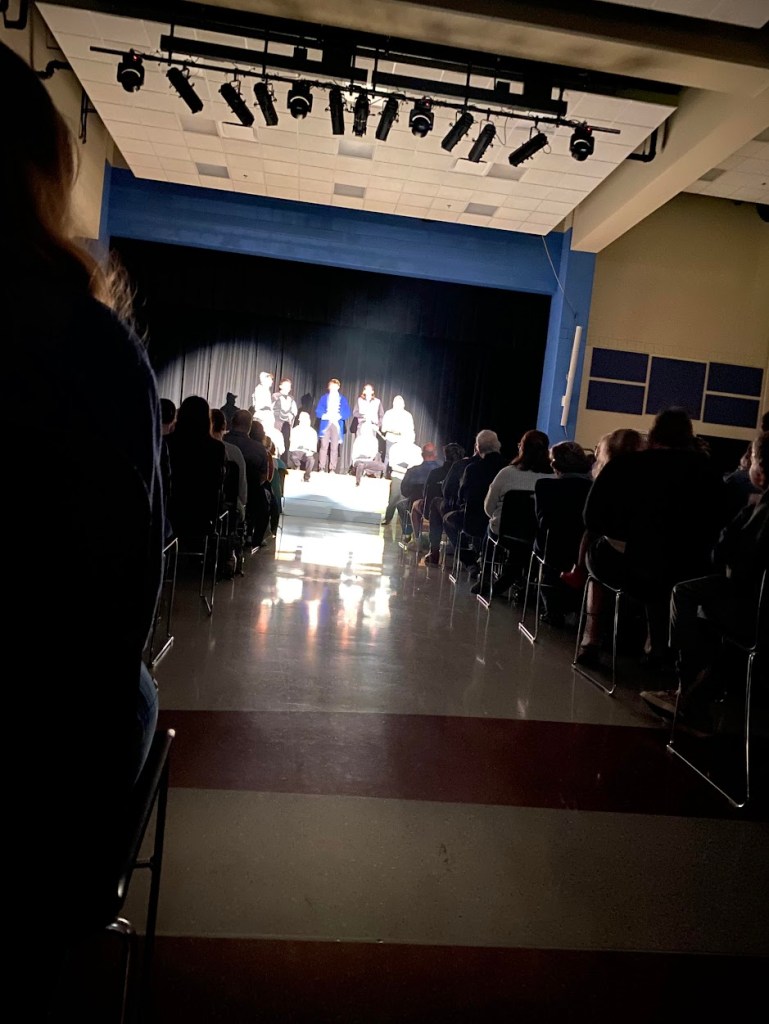
That shift matters. Ownership builds agency.
Agency builds confidence.
Confidence increases willingness to take risks in learning.
Over time, students begin to associate effort with impact. That is the foundation of a sustained love of learning.
For school leaders, this is not an “extra.” It is a strategy. When the theater becomes an overflow space for state testing and a concert is displaced, the message is clear: student work in the arts is flexible, secondary, negotiable. Students notice. They also remember. Leadership decisions signal value. If empowerment is the goal, consistency matters.
Arts integration strengthens both empowerment and academic transfer because it requires visible thinking. Rehearsals are cycles of hypothesis, feedback, and revision. Students analyze timing, adjust phrasing, solve spatial problems, and manage group dynamics. These are the same cognitive demands found in strong academic environments.
Consider what transfers:
- A student leading warm-ups applies sequencing and clarity. Those are skills used in writing and presenting.
- A lighting designer calculates angles, timing, and intensity. These are direct connections to math and physics.
- An ensemble solving staging challenges practices collaboration, argumentation, and evidence-based decisions—core to literacy and social studies.
When administrators involve students in solving real problems, like scheduling conflicts, space use, and performance logistics, they reinforce psychological safety and shared ownership. Students learn that their voice has weight. That belief carries into the classroom: more participation, stronger persistence, better outcomes.
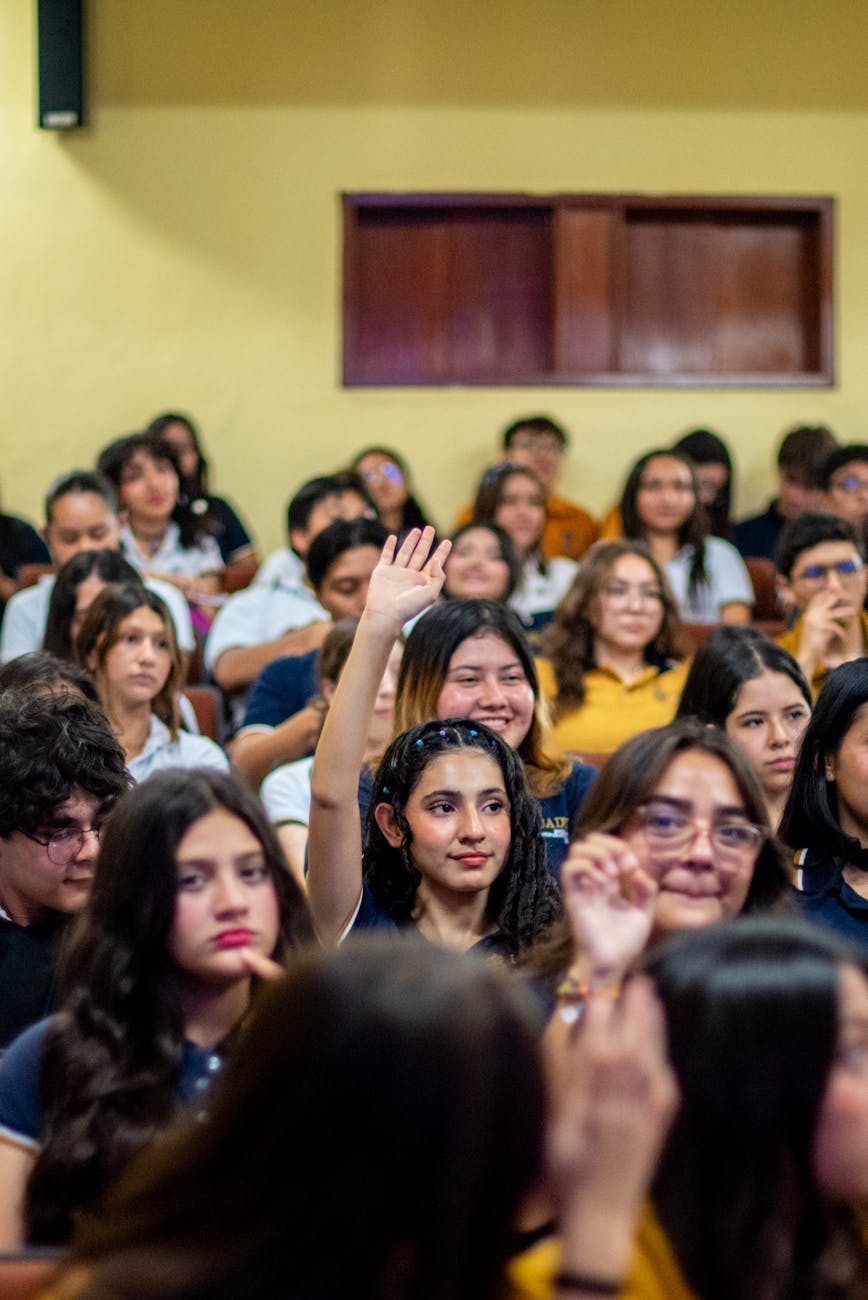
Every day offers a choice. Schools can manage students, or they can develop them. Arts integration does the latter with consistency and measurable results. It builds students who do not just complete tasks, but who invest, lead, and continue learning because they have experienced what it feels like to matter.


Leave a Reply