
Category: Moving the Earth
-
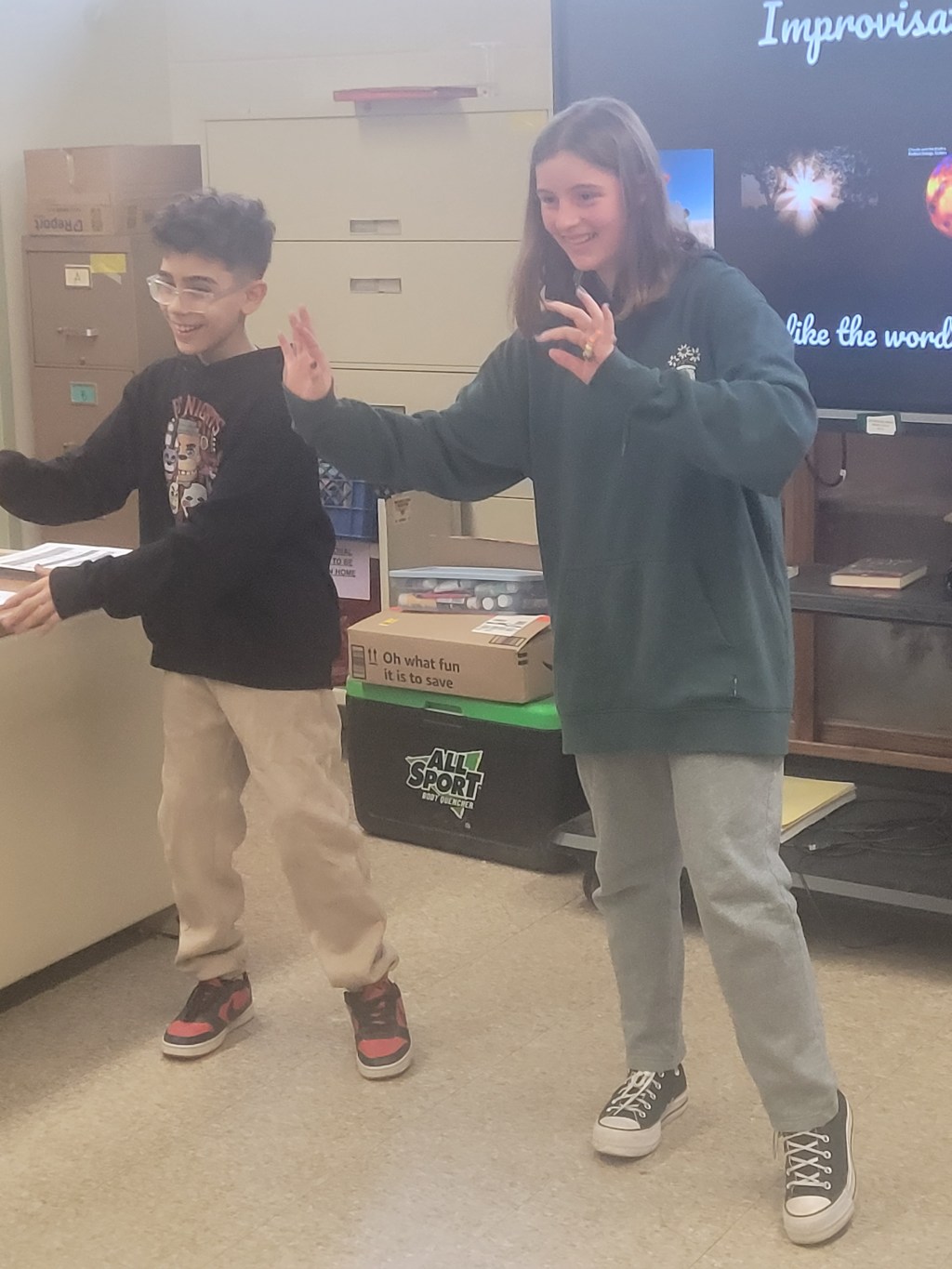
In this lesson, students investigate how solids, liquids, and gases behave by embodying particle movement through dance. Using clear science concepts and purposeful movement design,…
-
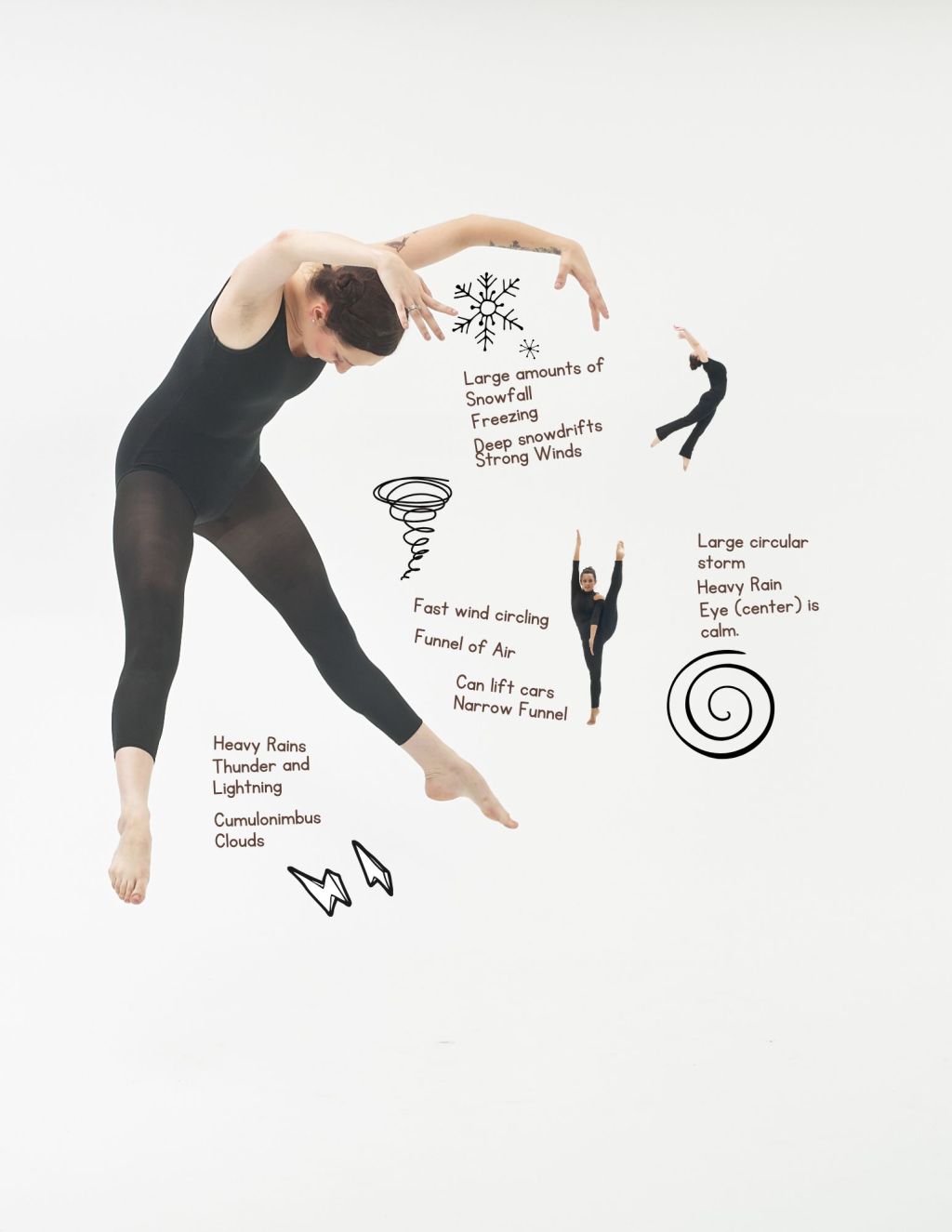
Which storm was shown? What movement made it clear? Could you tell what caused the storm? How was the climax shown? How did the storm…
-
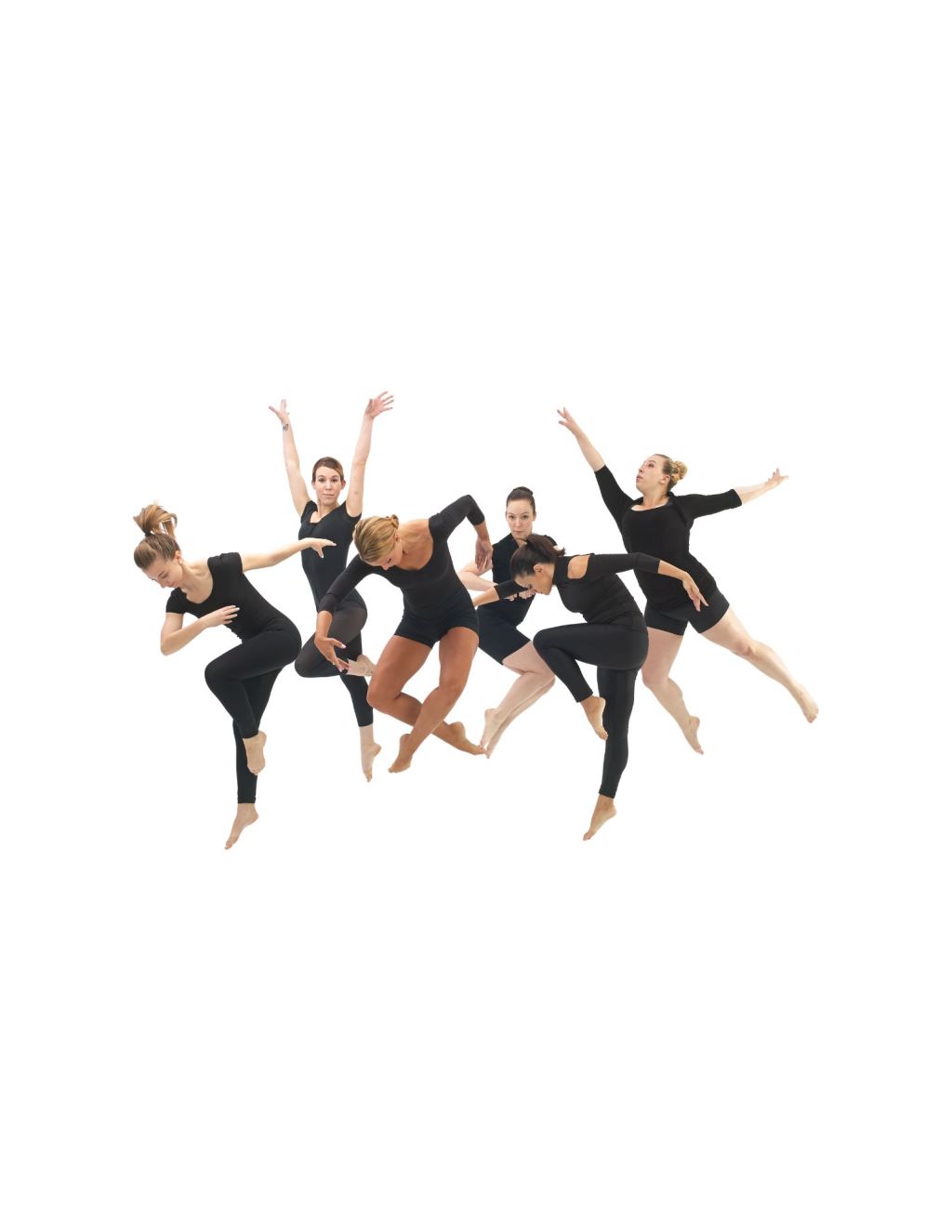
Clouds provide important clues about weather. Today students observed, created, and performed cloud formations, using movement to understand how clouds look, move, and help us…
-
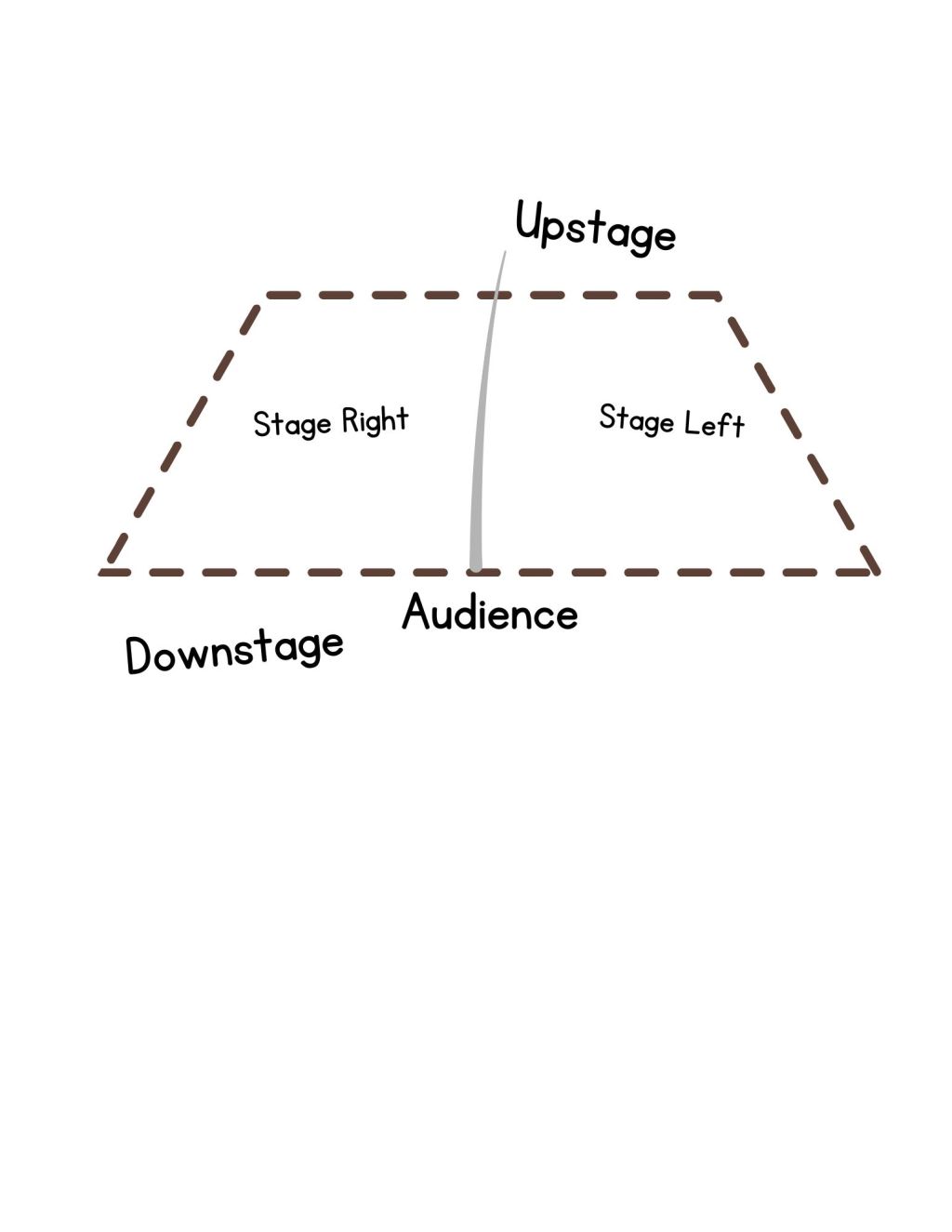
Weather is constantly changing because air masses are moving and interacting in Earth’s atmosphere. Today, students explored these scientific concepts through movement, observation, and discussion.…
-
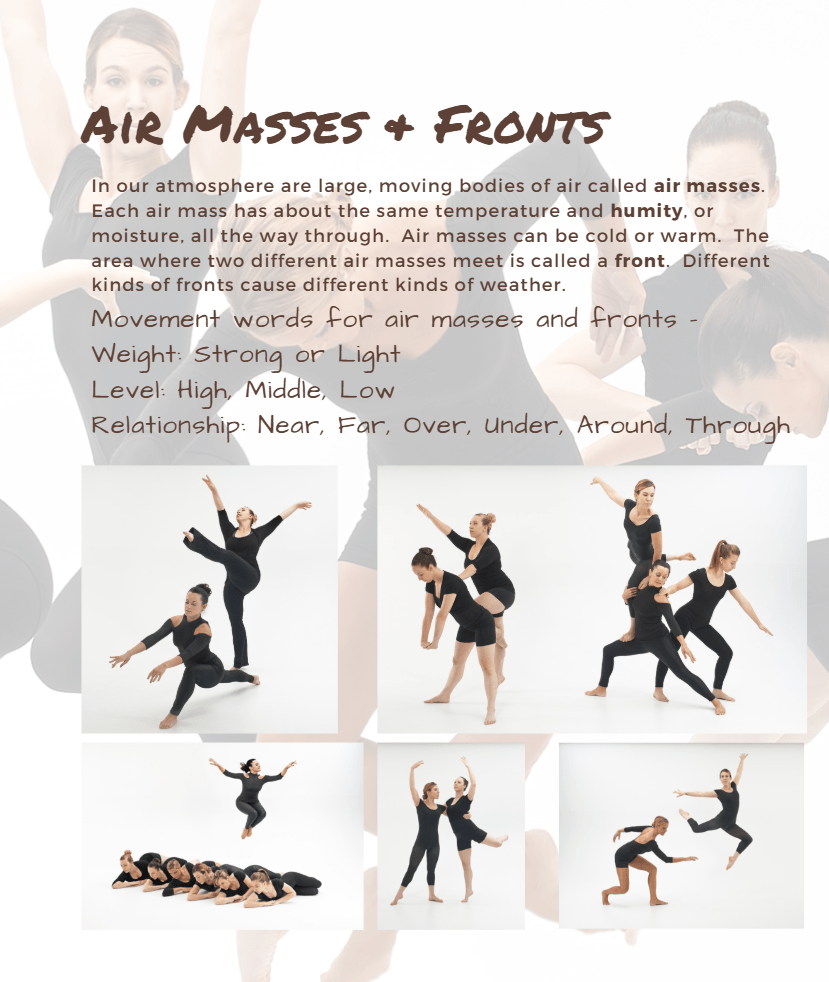
Can you “feel” the weight of the air? To a student in a traditional classroom, the atmosphere is often just an invisible collection of facts…
-
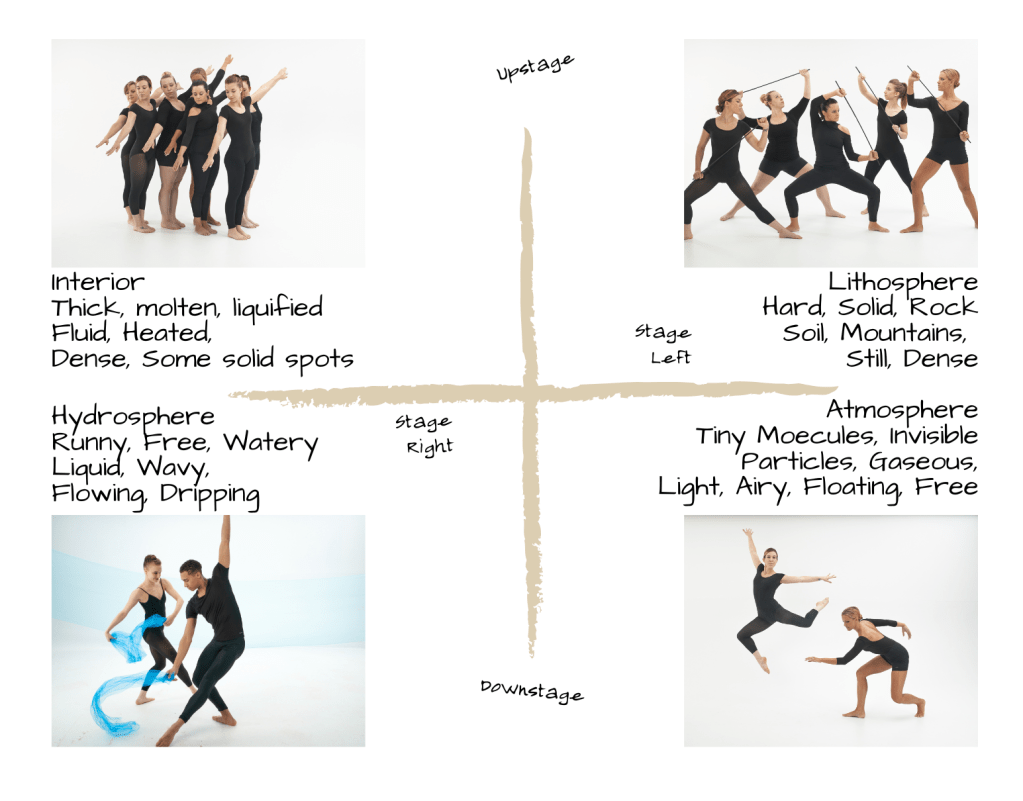
This lesson uses dance to help students understand Earth’s four major divisions by embodying their physical properties. Students explore how the Interior, the Lithosphere, the…
-
Family engagement cannot remain surface level. When arts integration moves from enrichment to infrastructure, families shift from passive attendees to active collaborators. At one arts…
-

Through a series of workshops, students were introduced to the concepts of renewable and non-renewable energy sources, including solar, wind, fossil fuels, geothermal, and hydro…
-

-

What a fun concept! I can dance to learn about shapes moving in space. I can measure them and remember them! The formulas become easy…
