
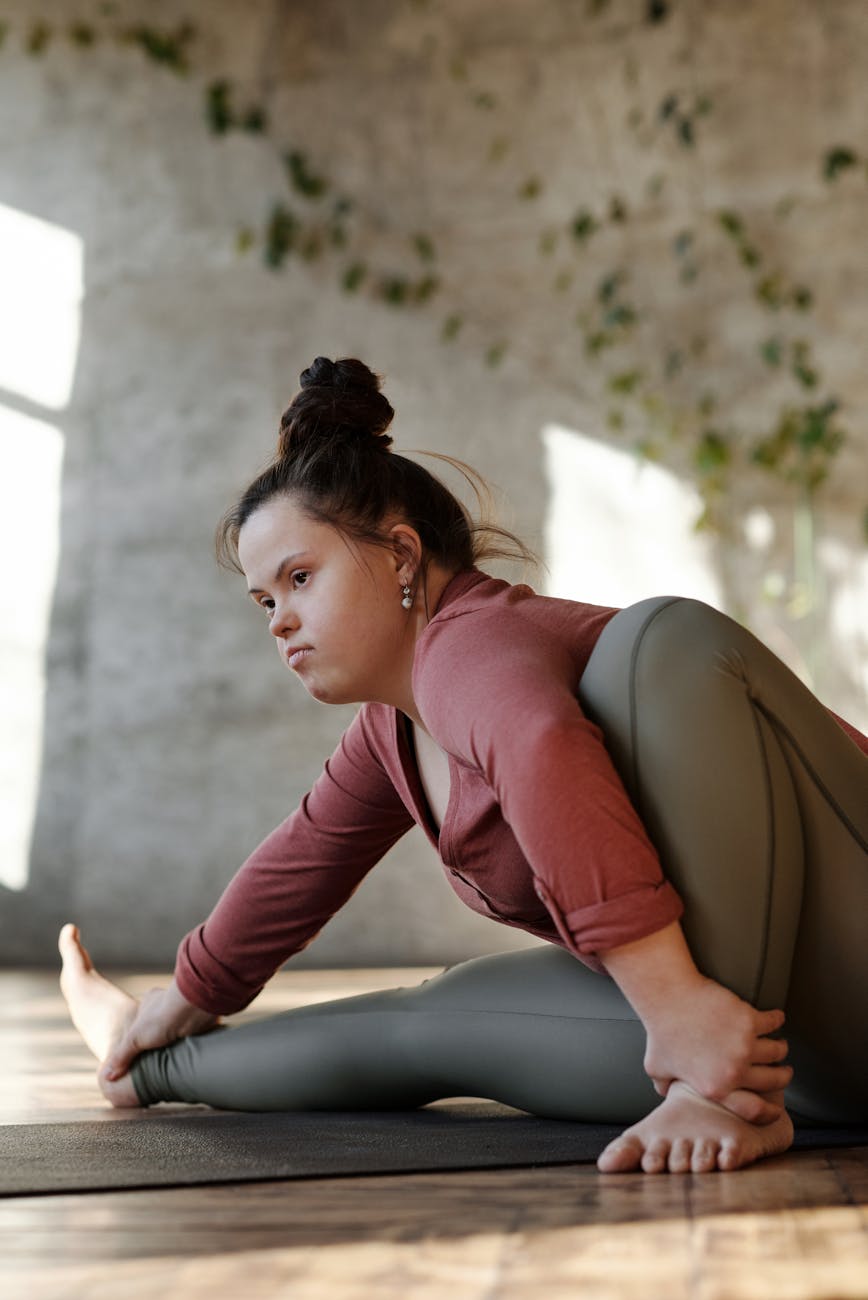
Teaching math and science through dance and arts-based practices offers a powerful, embodied learning experience. Yet for students with physical disabilities, these experiences must be intentionally designed to ensure full access, participation, and dignity. Physical disabilities—conditions that limit a person’s physical functioning, mobility, stamina, or dexterity—can create barriers if supports are not in place. But with collaboration, flexibility, and a proactive mindset, arts integration can become a powerful tool for inclusion.

The Math & Science Movers Inclusive Arts Integration Course prioritizes accessibility in every learning environment. Teaching artists are not expected to have all the answers, but they are encouraged to ask the right questions, engage with the school community, and plan intentionally. Doing so not only honors legal and ethical responsibilities but also contributes to a more empathetic, enriched, and equitable classroom culture.

Pre-Instructional Planning: Key Questions to Ask
Before you begin teaching, hold a meeting with classroom teachers, support staff, and administrators to clarify student needs and plan accommodations. The following questions are a starting point:
- What physical disabilities or mobility challenges are present among students in the class?
- Are the facilities I’ll be teaching in—classrooms, gyms, stages—wheelchair and roller accessible?
- Can we move desks, chairs, and other equipment to ensure a clear, open space for movement?
- Could dance and movement sessions be scheduled in the gym or on the stage to better support accessibility?
- Will assistive technology (e.g., voice-output devices, switches) be available to pre-program with arts and dance vocabulary?
- Are there existing teaching methods, materials, or tools that work well with the specific students I’ll be working with?
- Can you share known curriculum modifications that are helpful for specific students so I can prepare inclusive lessons?
- What are the emergency protocols for students with medical conditions such as epilepsy or muscular disorders?
- Are there staff or support services in place to help students manage mobility or physical challenges during lessons?
- Can I receive regular updates if a student’s Individualized Education Plan (IEP) or support needs change?
These questions are not invasive—they reflect a respectful and professional approach to inclusive planning. While schools must protect student privacy, educators typically share key information needed for safe and effective instruction.
Inclusive Practices and Ongoing Collaboration
Let school staff know that each lesson will include alternative assessment options for students to demonstrate learning, such as oral presentations, visuals, or the use of augmentative communication devices. You will also promote collaborative learning and peer interaction, ensuring that students with and without disabilities learn with and from each other.
Use group work strategically to allow all students to contribute their strengths. Consider adjusting the number or complexity of movements in dance sequences to meet students where they are. For example, a student with epilepsy may need support for memory or focus if they’ve had recent seizures. Asking, “What emergency protocols are in place if a seizure occurs during my math and dance lesson?” reflects thoughtful, student-centered planning.
Jeanine Leech, M.A., M.S., through AdaptEd, offers a well-regarded guide to educational solutions for students with disabilities. Her work outlines specific conditions and provides examples of tailored supports—such as those needed for students with epilepsy, who may experience confusion, staring spells, or cognitive lapses due to seizures or medication.
Community and Professional Engagement
Offer to:
- Provide professional development for teachers and staff that introduces dance and arts elements, etiquette, and inclusion strategies
- Host a community meeting to engage families and local organizations
- Serve as a partner in long-term inclusion efforts by modeling practices and sharing resources
Inclusion is not a checklist—it’s a continuous commitment. When you show up prepared, curious, and compassionate, you create the conditions for real transformation. Students feel seen. Teachers feel supported. And the arts become a bridge, not a barrier.
Inclusion and accessibility go hand in hand, especially when movement and the arts are used as teaching tools. When we design lessons with accessibility in mind, we aren’t just making small adjustments—we’re opening the door for every student to participate meaningfully. Accessibility ensures that all learners can engage, while inclusion ensures that they feel valued, seen, and connected to the group. Together, they create classrooms where learning is both possible and joyful for everyone.
Accessibility accommodations can take many forms, depending on students’ needs and strengths. For some, this may mean options beyond direct participation, such as watching a dance demonstration, listening to music, or exploring the concepts through related books, videos, or virtual lessons. Others may benefit from stations where activities can be modified to suit different levels of comfort and ability. Flexible timing, like offering extended opportunities during “Dance Labs,” also helps students process at their own pace without pressure.
Inclusion also grows through role adaptations and multiple ways to demonstrate understanding. Flashcards, verbal cues, or assistive technology can help students actively contribute, while alternative assessments—such as pass/fail grading or presentations—make achievement feel attainable and affirming. Support from therapists, aides, or peer buddies strengthens the sense of community, while family involvement in inclusive events extends that support beyond the classroom.
Finally, personalized strategies, sometimes even enhanced through AI tools, give educators the chance to meet individual needs with greater precision. Paired with awareness training for all participants, these approaches foster empathy and mutual respect. The result is not just accessible learning, but inclusive spaces where students connect more deeply with the material, themselves, and each other.


Leave a Reply