
Category: Math + Science Movers
-
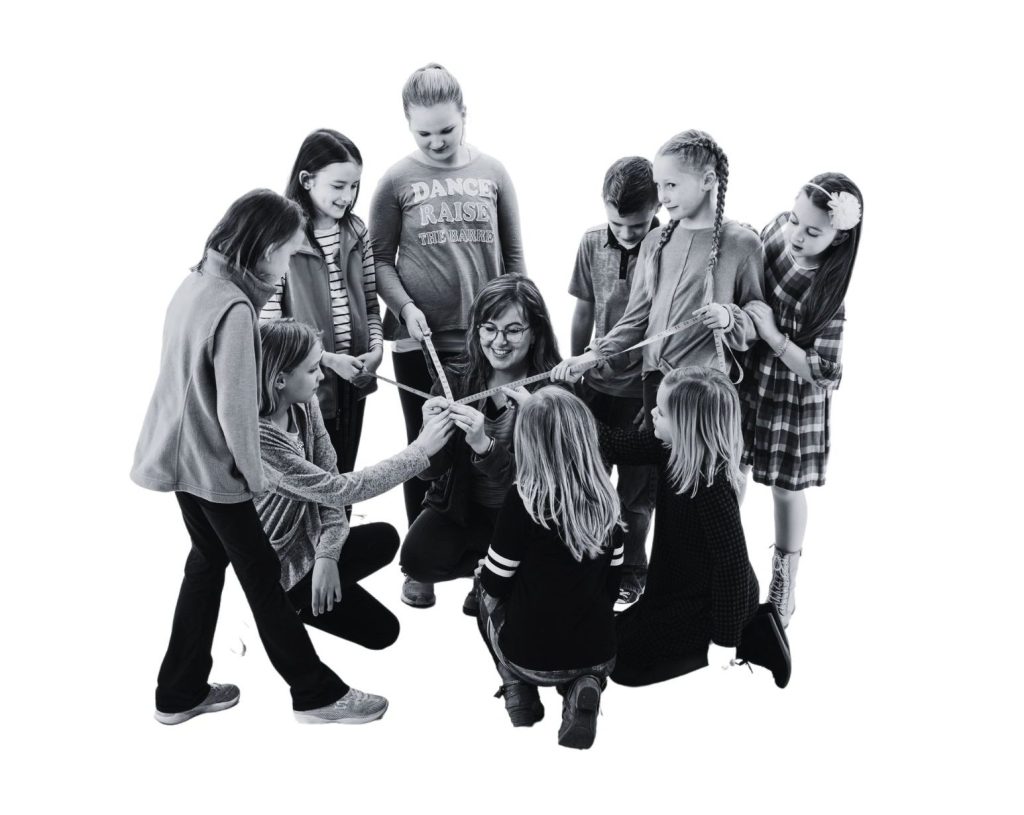
Understanding the parts of a circle: radius, diameter, chords, tangents, and the constant pi can feel abstract when studied only on paper. This lesson brings…
-
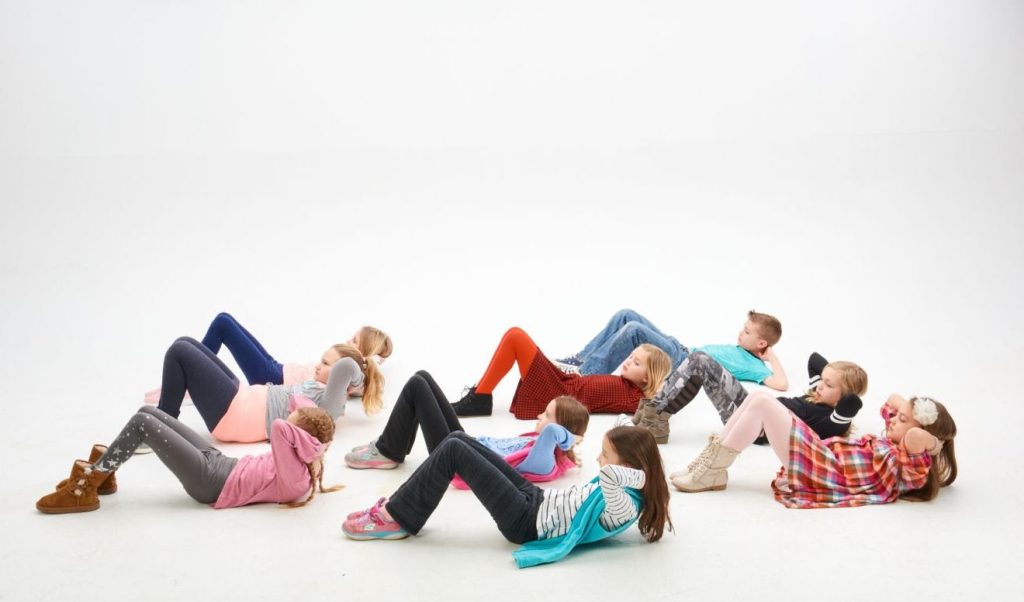
At the Arts Academy at Summit in Canton, Ohio, fourth-grade students participated in a 10-week Math & Science Movers program designed to combine physical fitness,…
-
Clarity comes when students are immersed in the concept—not just hearing about it, but moving through it. Math and science naturally lend themselves to movement,…
-
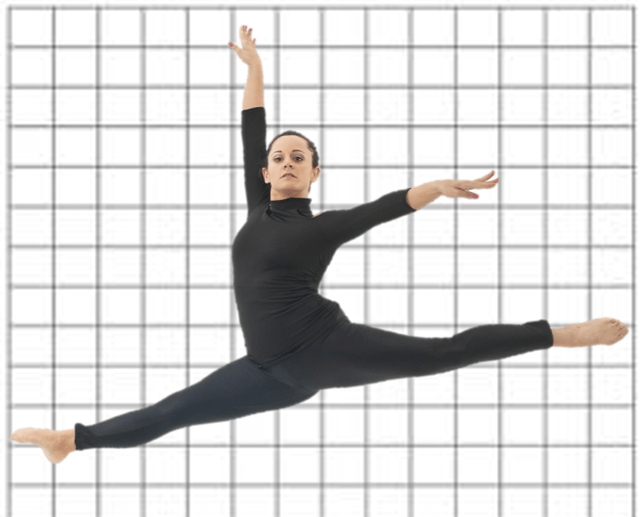
Understanding area becomes more meaningful when students can step inside the shapes they’re measuring. In this active lesson, students become “area units” themselves, exploring the…
-
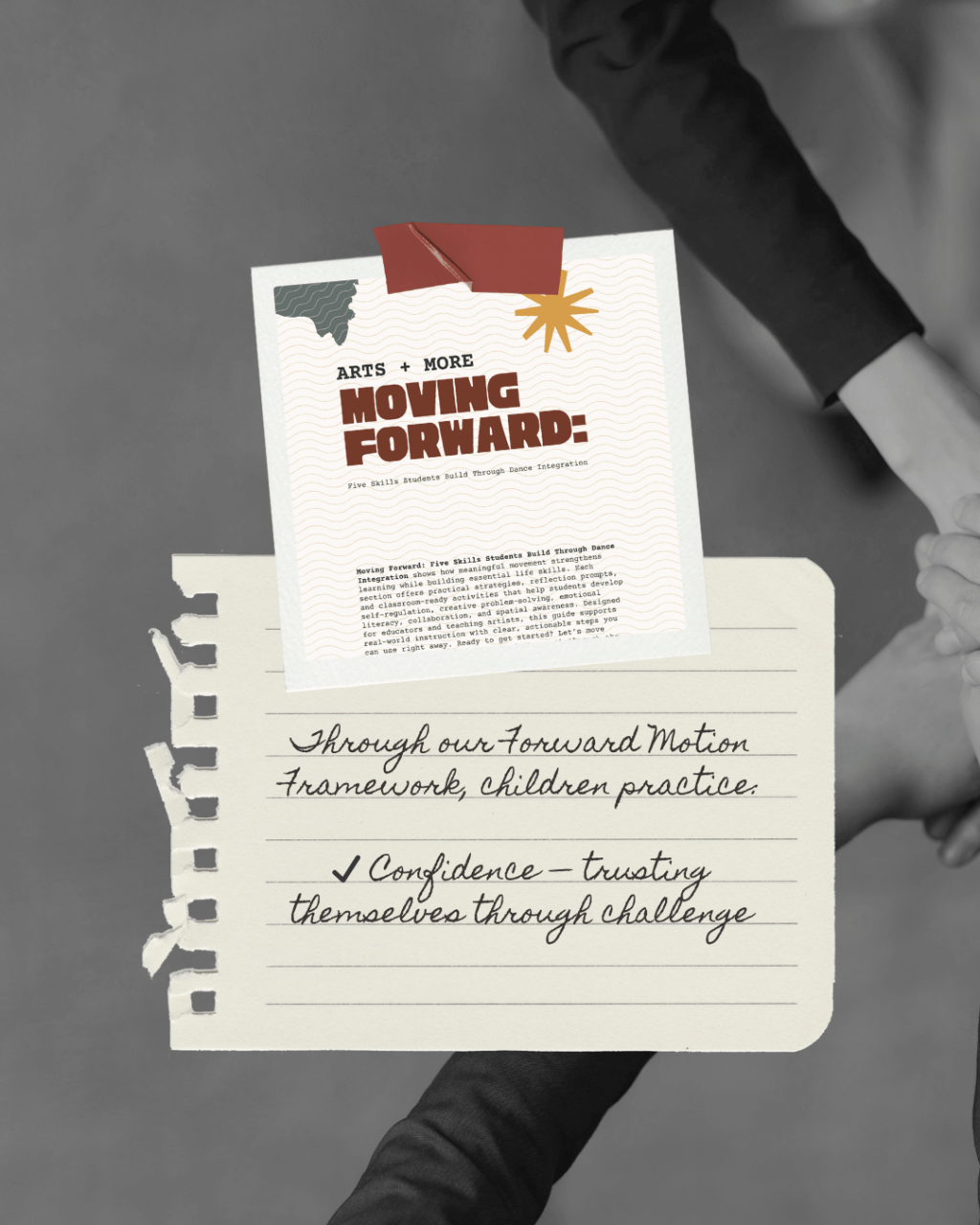
At Arts+More, we believe the arts give children a rehearsal space for life. Preparing kids isn’t about pushing harder. It’s about giving them inner tools…
-
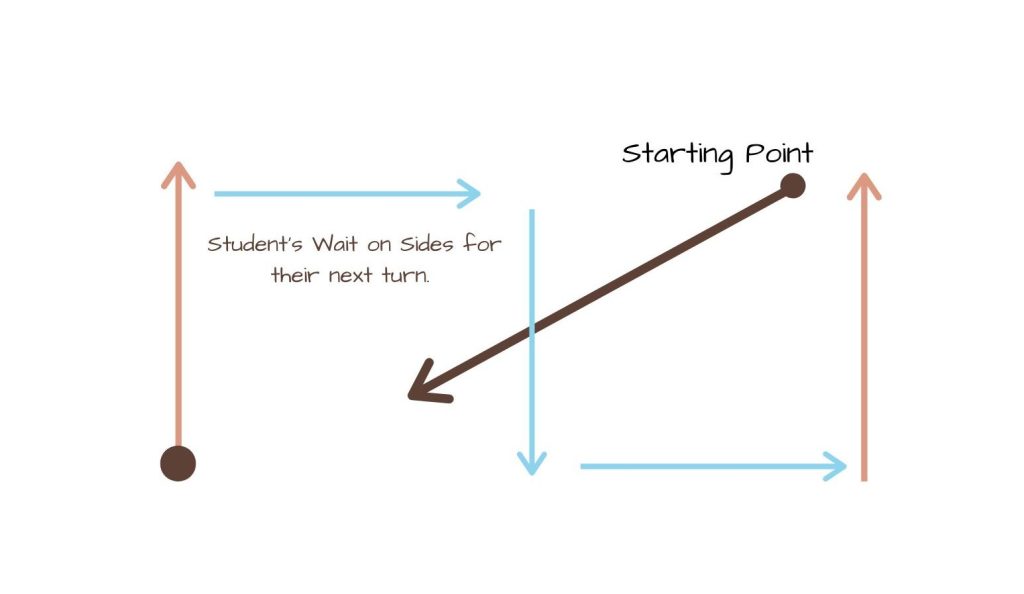
This locomotor warm-up builds physical literacy, spatial reasoning, and community cohesion. It makes abstract concepts like pathways, angles, and momentum tangible, all while keeping students…
-
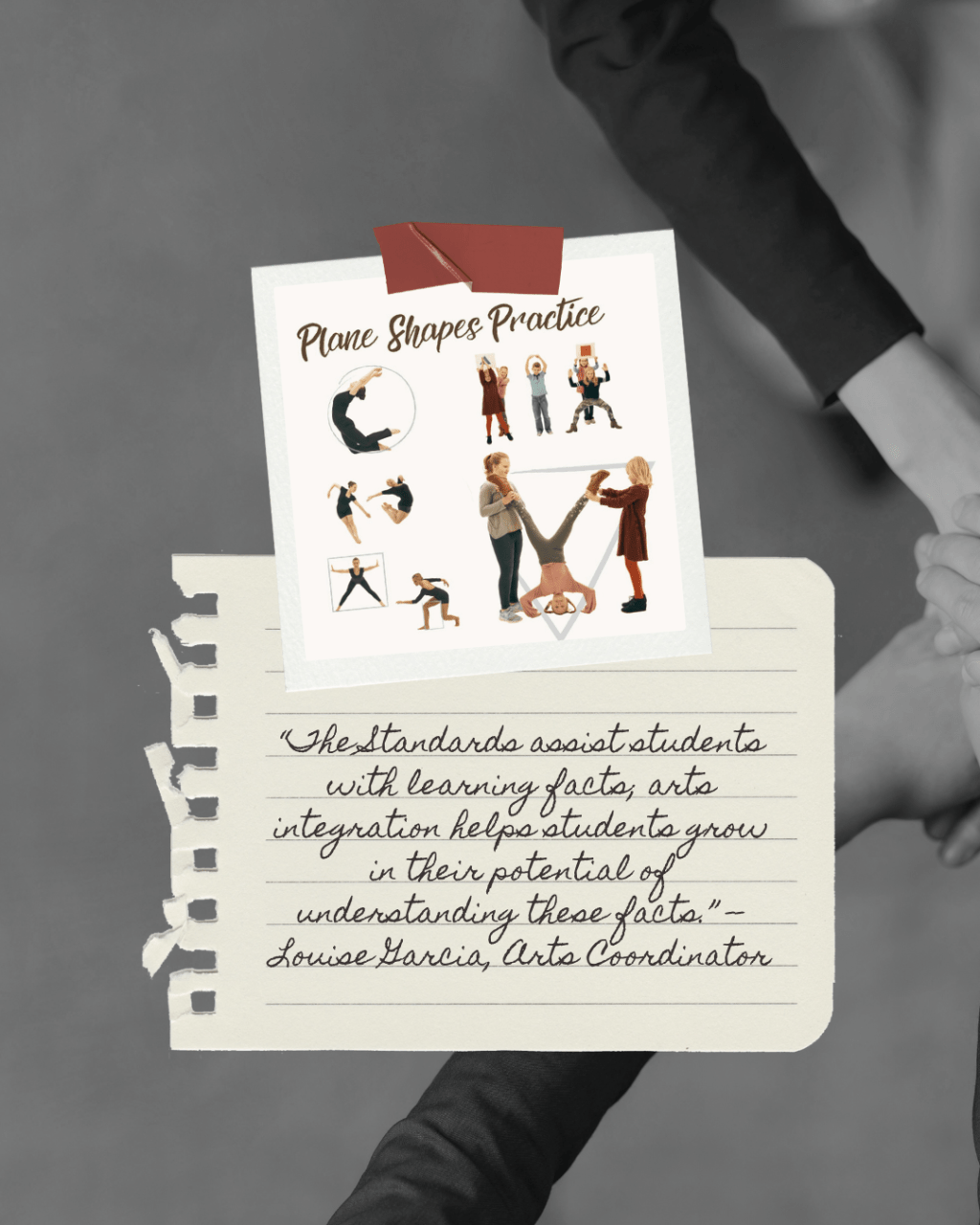
Arts Integration in its truest sense: partnering an art form with another subject so students learn both at the same time. That means selecting standards…
-
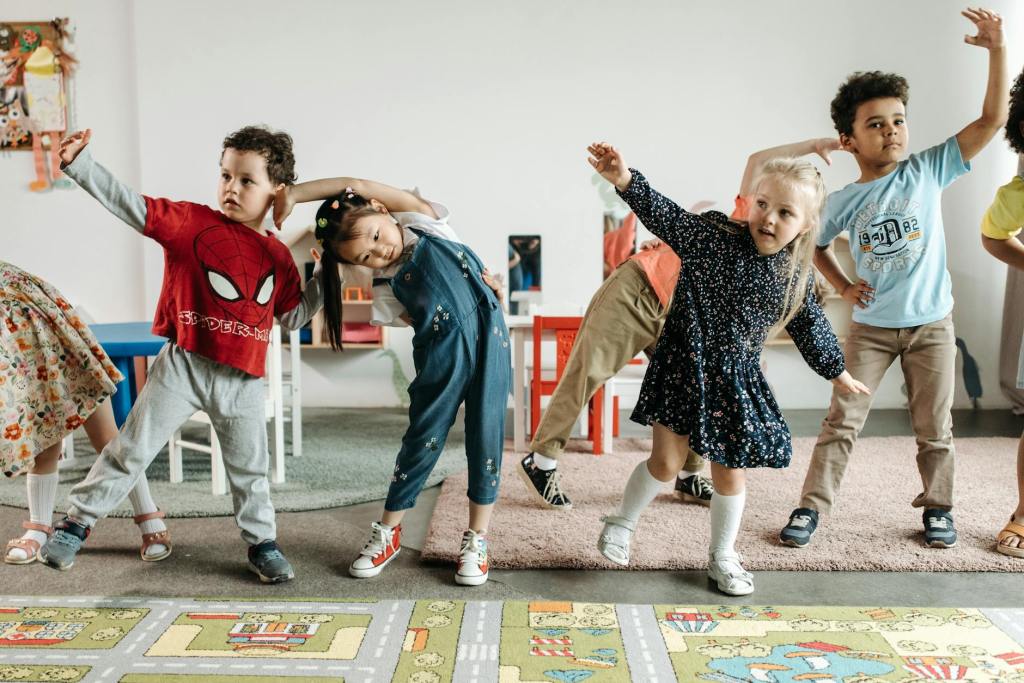
Today we’ll explore how axial warm-ups and simple, seated dance movements can transform both classroom atmosphere and student engagement. These are not just “extra” activities;…
-
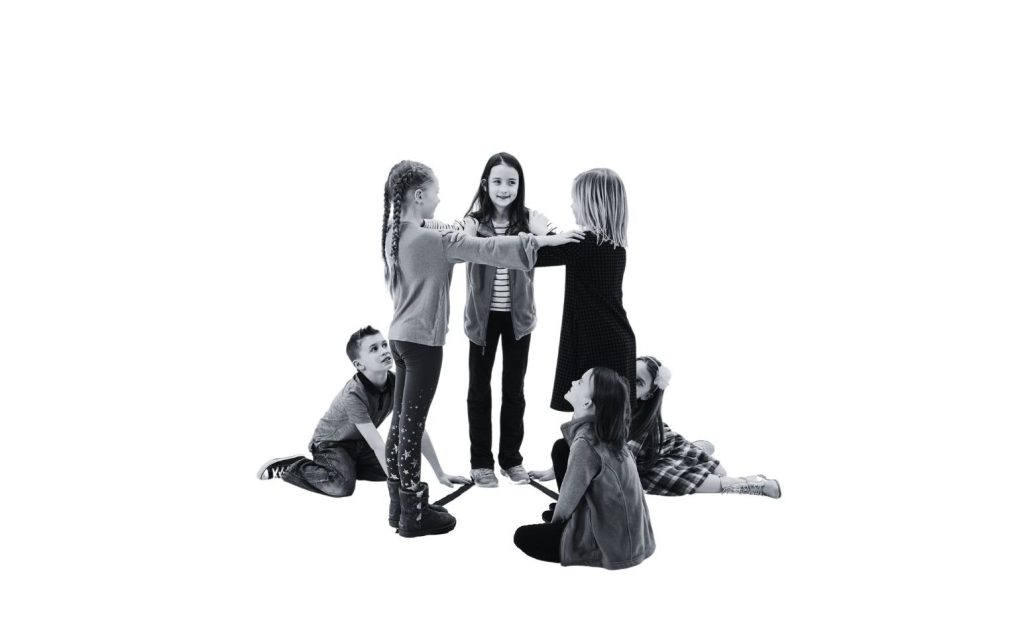
Welcome to a dynamic exploration of geometry where abstract polyhedrons become tangible through creative movement. In this lesson, students step beyond the textbook and use…
-
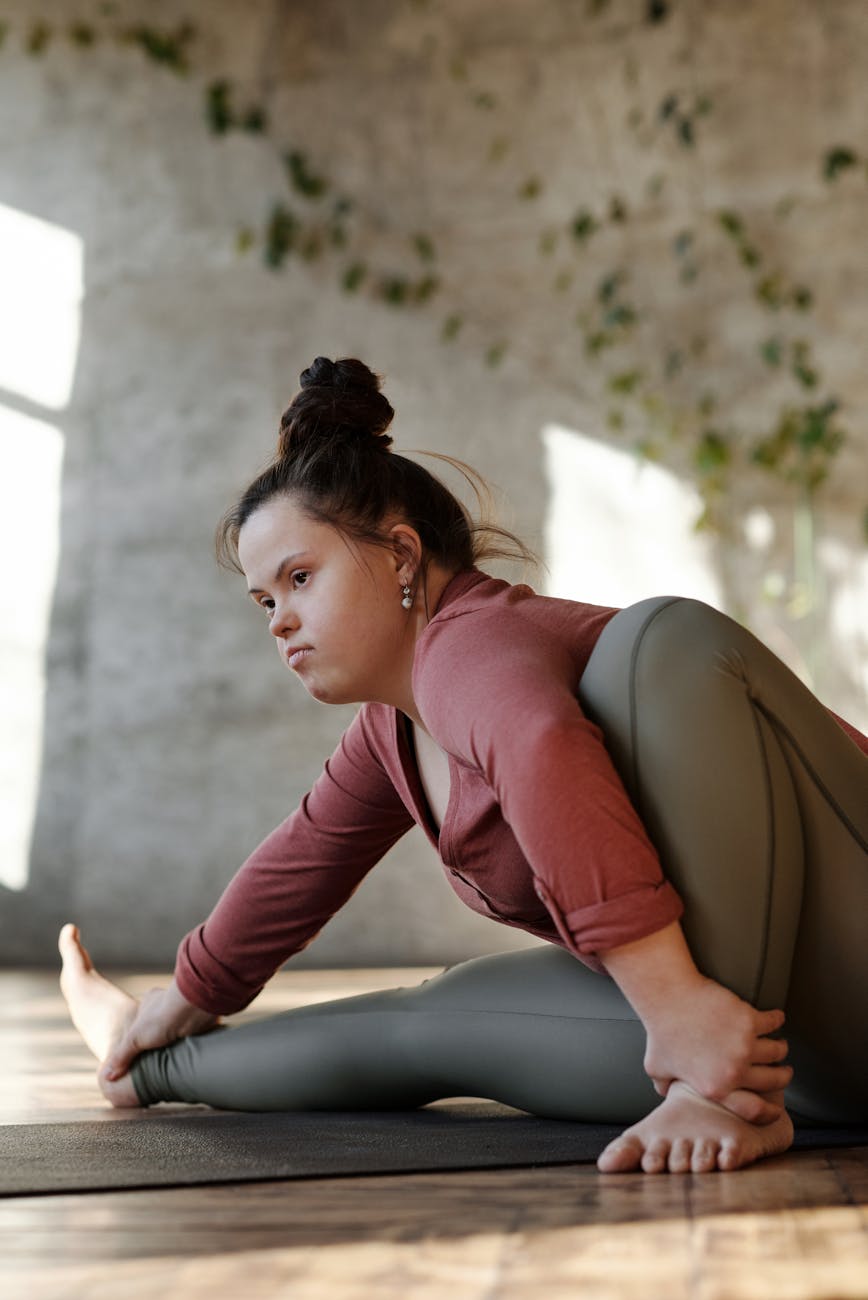
Supporting Students with Physical Disabilities Through Inclusive Arts Integration
