
A persistent gap exists across healthcare and education systems. Physicians, educators, teaching artists, and school administrators often pursue similar goals for students, yet they do so independently rather than through coordinated practices.
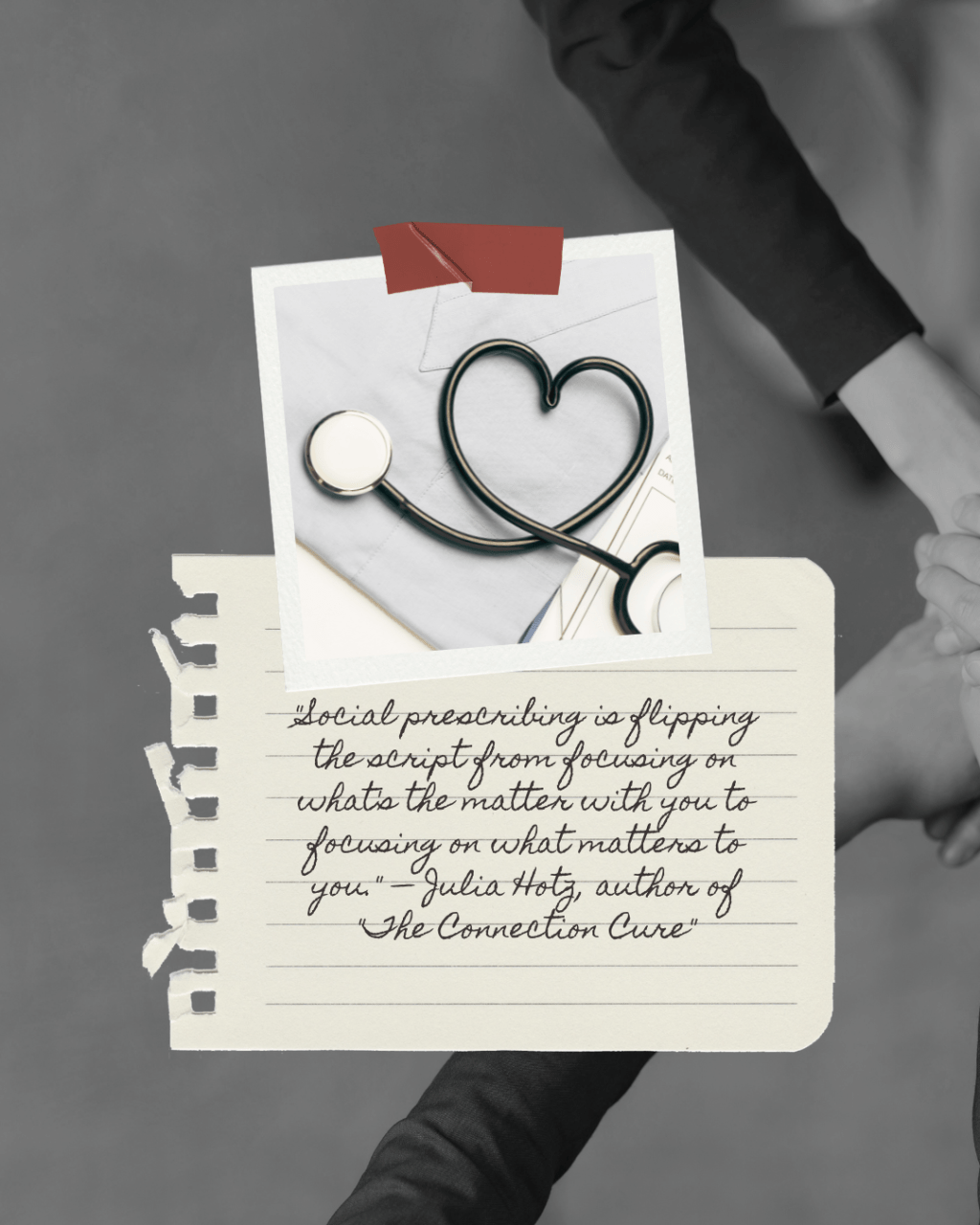
Dance, in combination with social prescribing, offers a practical framework for alignment.
Social prescribing is a structured approach in which healthcare providers refer individuals to non-clinical, community-based services to support their overall health and well-being.
Kate Mulligan & Gary Bloch. (2025) Social prescribing beyond social prescriptions: moving social prescribing from commodification to co-creation. Journal of Integrated Care, pages 1-10.
Within the social prescribing model, dance can function as a multichannel intervention. It integrates physical activity, cognitive engagement, emotional expression, and social connection within a structured environment.
For physicians, dance represents a bridge to traditional care. Evidence indicates benefits in cardiovascular health, coordination, and mobility, alongside reductions in symptoms associated with anxiety, depression, and social isolation. As a sustained activity, it supports long-term behavior change and patient engagement.
For educators and school leaders, the implications are equally significant.
Within school improvement planning, arts programs, including dance and music, are often underutilized despite strong alignment with institutional goals. Common strategies such as intervention blocks, tutoring, and test preparation are emphasized, yet arts education already cultivates many of the targeted outcomes.
Students engaged in music and dance programs demonstrate higher attendance rates, stronger academic performance, increased likelihood of graduation, and greater persistence. These outcomes are not peripheral. They are directly aligned with school improvement priorities.
Dance contributes to the development of executive function through sequencing, working memory, and self-regulation. It reinforces an internal locus of control as students observe the relationship between effort and outcome. It also promotes adaptive thinking and problem-solving in dynamic contexts.
Equally important is its impact on school climate. Participation in dance fosters a sense of belonging, which is strongly associated with attendance, behavior, and overall student engagement.
A four-year study by the NAMM Foundation of 1,700 NYC schools (2015-2019) found that higher arts implementation directly correlated with lower chronic absenteeism and higher overall school-day attendance.
For teaching artists, this requires intentional program design. Outcomes should be clearly defined and communicated using shared metrics such as attendance, behavioral indicators, emotional regulation, and cognitive development. Consistency and accessibility are essential to program effectiveness.
For administrators and physicians, the focus must shift to utilization and integration.
Program impact diminishes when access is inconsistent, enrollment is unstable, or scheduling limits participation. Structural alignment is necessary. This includes clear positioning within the master schedule and sustained opportunities for student involvement.
Social prescribing provides a mechanism for extending this work across sectors. A physician referral to a dance program, reinforced by participation within the school day, creates continuity and increases the likelihood of measurable impact.
If the objective is to improve academic, physical, and emotional outcomes, dance should be embedded within both educational and health systems.

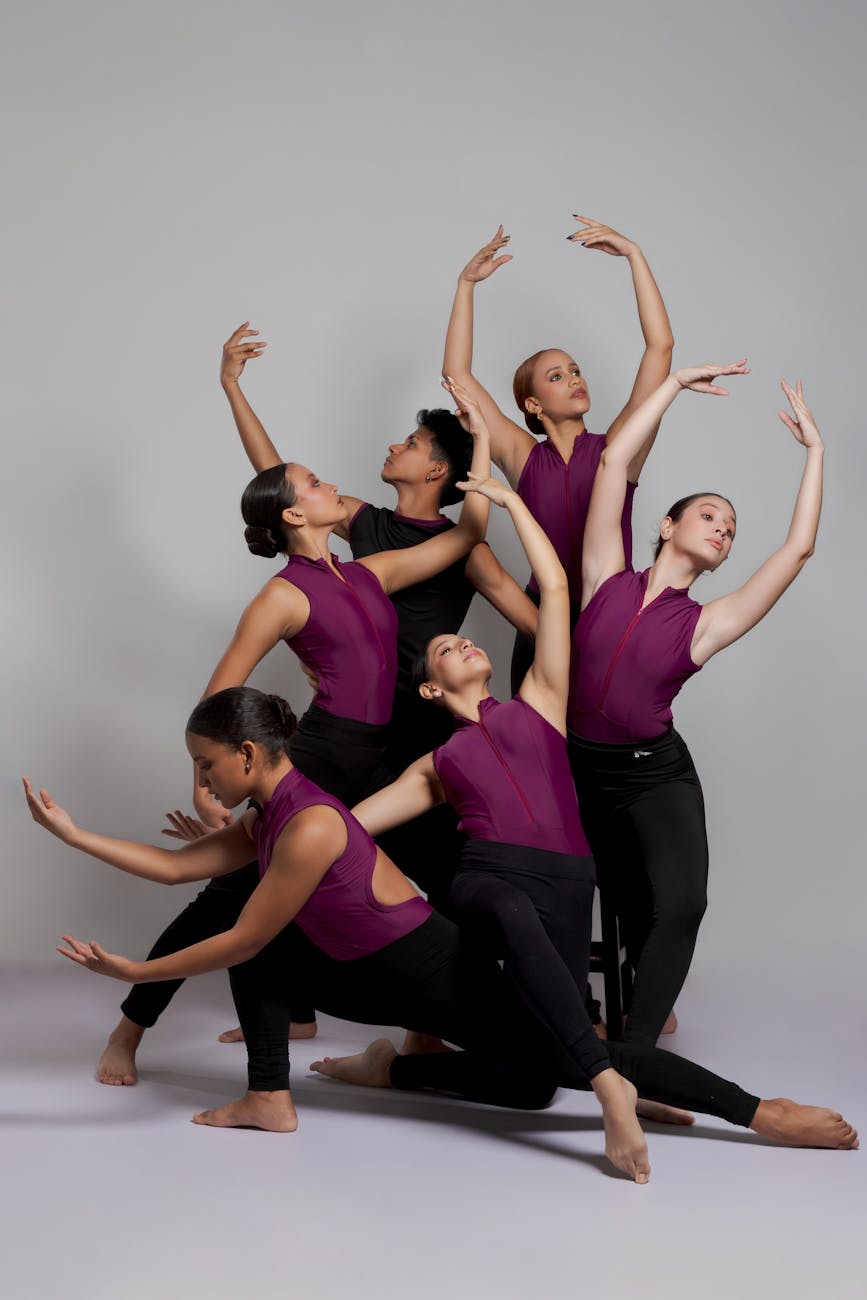
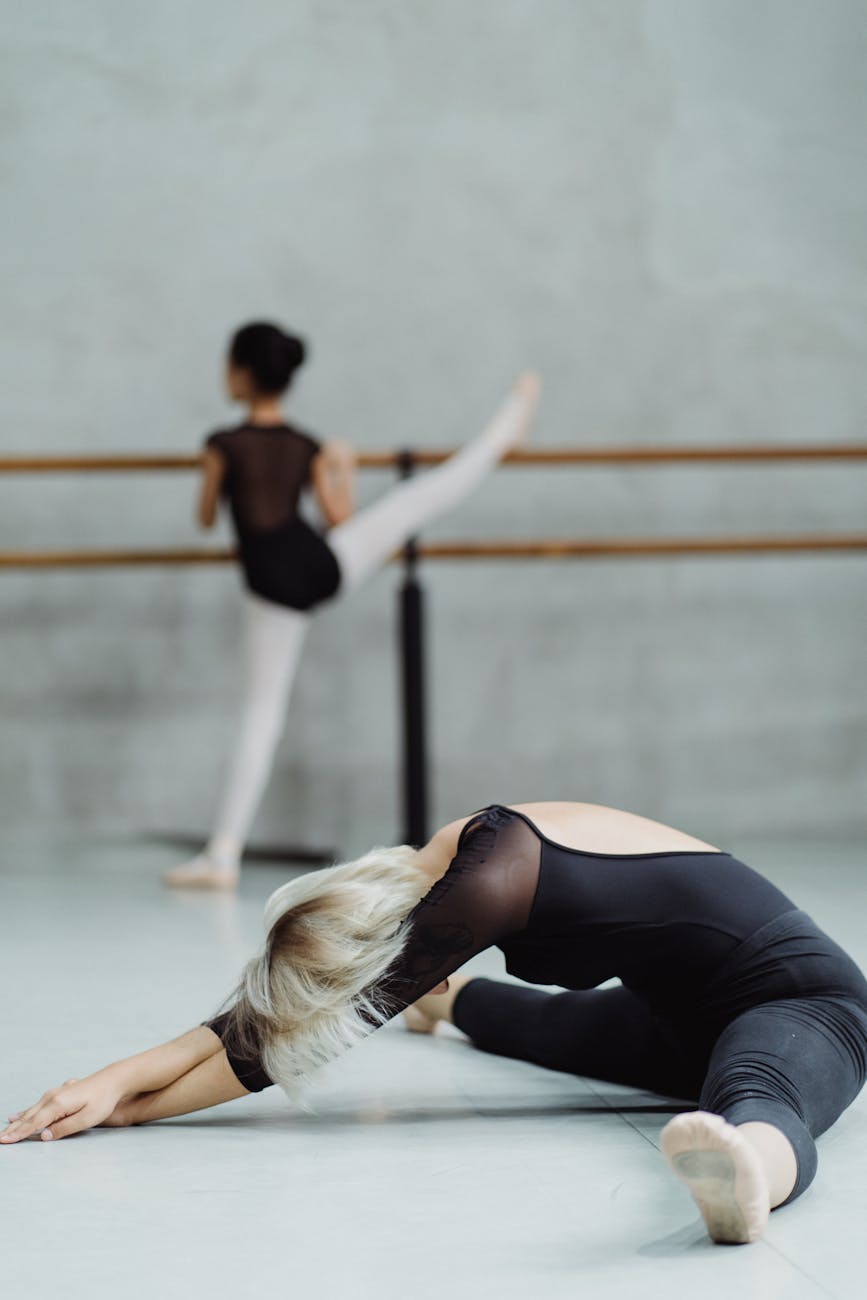
Dance is not an ancillary offering.
It is an evidence-aligned strategy with measurable benefits across multiple domains.
Its effectiveness depends on deliberate integration, cross-sector collaboration, and consistent access.
Ready to bring consistency, trust, and impact to your work?
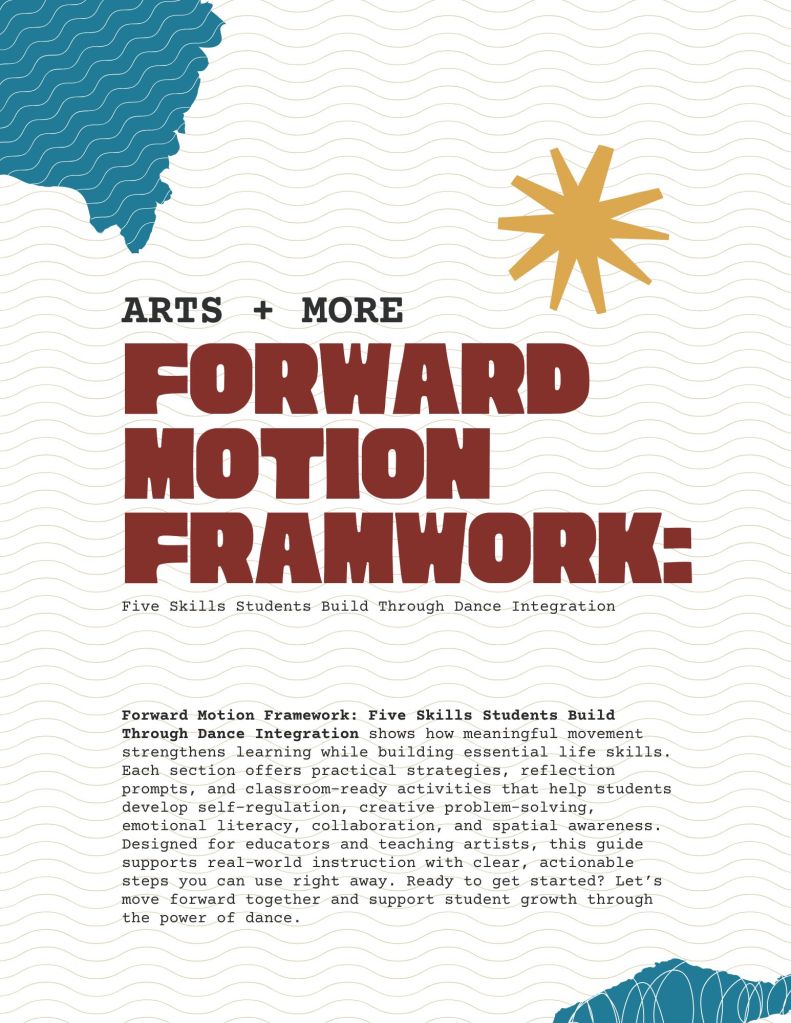
I invite you to download the Forward Motion Framework for practical tips to clarify your goals, identify barriers, and create an action plan for forward movement…
…WHICH MEANS you’ll start showing up with intention for your students and your creative projects today.
If you’ve found value in this work, I would love to hear from you. A short testimonial, Google Review, or comment helps me improve and shows others the difference we’re striving to make together.


Leave a comment