
As educators and administrators, we often focus on the “top-down” approach to learning—curriculum, logic, and memorization. However, cutting-edge neuroscience suggests that a student’s ability to focus, behave, and excel is rooted in a “bottom-up” process: Proprioception.
Proprioception is the brain’s ability to sense the body’s position in space without looking. Through dance education, we aren’t just teaching “steps”; we are literally helping students redraw their internal maps for better physical and cognitive control.
Stop calling it “Enrichment.” This is Evolution. ⚡️
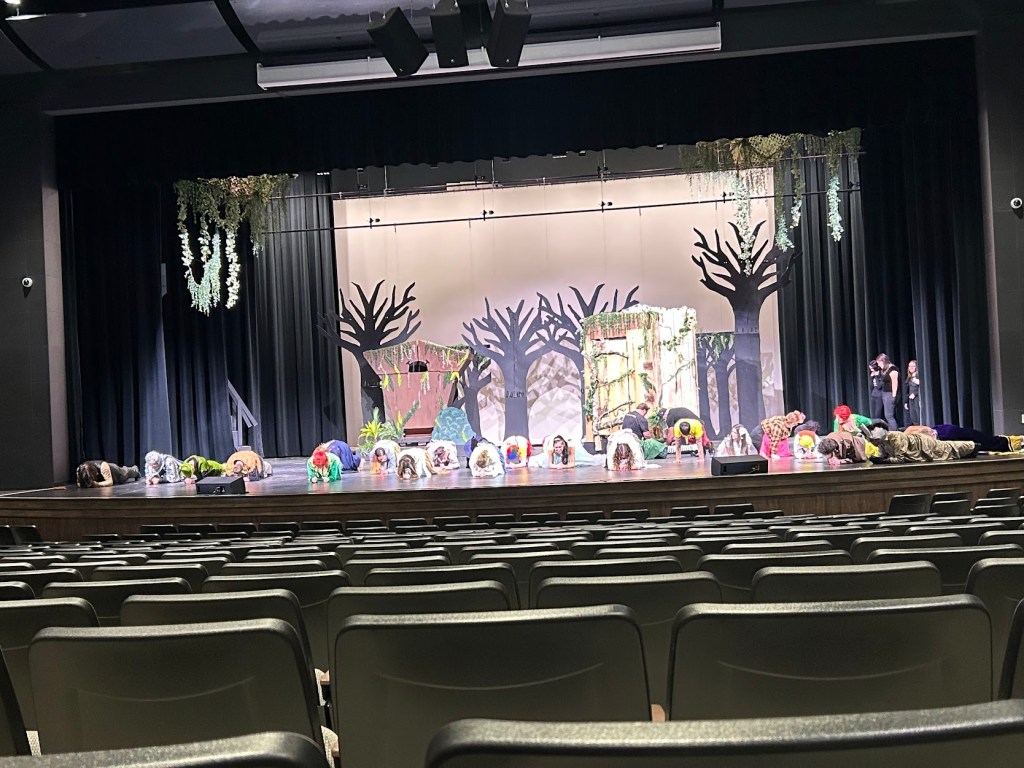
Three years ago at Cloverleaf, we started a journey to see what happens when high schoolers truly map their movements. Today? These students are absolute fire.
We rarely use the term “arts enrichment” because it doesn’t do justice to the excellence these students bring to the floor. Through the support of the Ohio Arts Council, we’ve watched these teens move from “blurry” neural mapping to total physical precision.
The Science: Constant sitting and high-school stress make the brain’s internal GPS (proprioception) fuzzy. If your brain is stuck in “survival mode” just trying to navigate space, it has less energy for learning.
The Result: Now, after three years of locking in their maps, these students can pick up any style in a 40-minute session. 💃 Flamenco? They’re on it. 🕺 Foxtrot? Ready. 🩰 Ballet? Locked in.
They’ve traded anxiety for excellence. When you map your body, you find your voice.
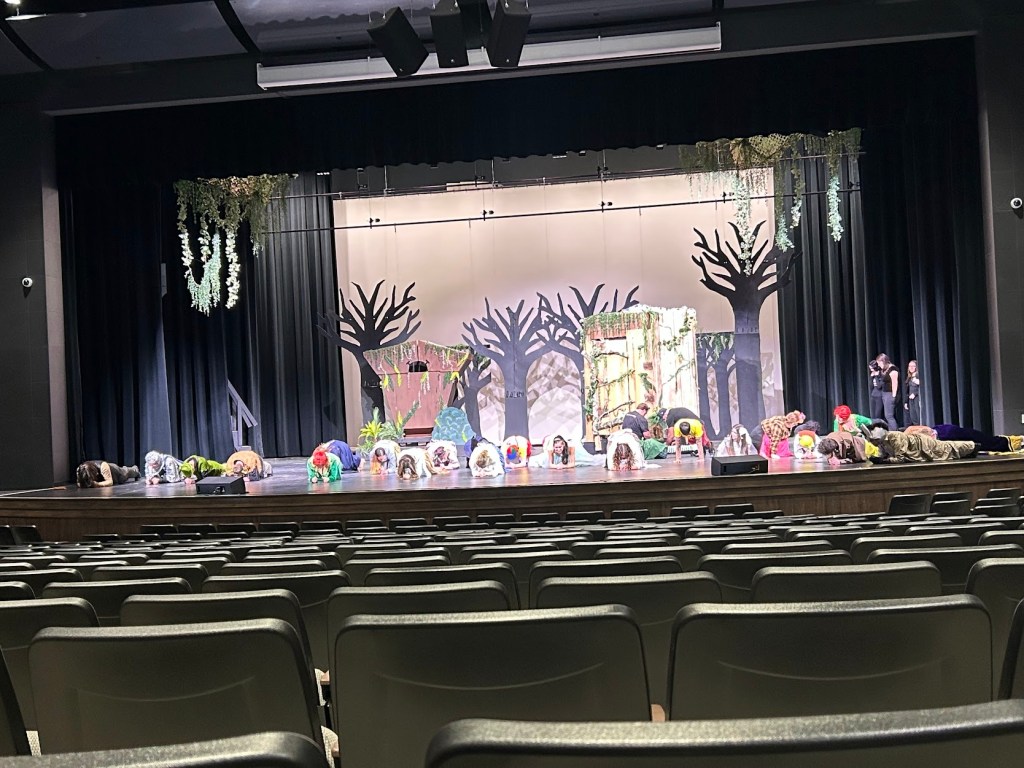
Image: Students at Cloverleaf High School in costume while planking on stage to warm up before a show.
The Body’s Internal GPS: Understanding Neural Maps
The brain maintains a sophisticated library of internal “software” to manage the body. In the context of dance and movement, four specific maps are at play:
- Sensory Maps: Located in the somatosensory cortex, these maps process touch, pressure, and temperature. They tell the brain what is happening to the body.
- Motor Maps: These dictate how to move. Every time a student executes a plié or a reach, the motor cortex activates a specific sequence of neurons.
- Cerebellar Mapping: The cerebellum is the master of “fine-tuning.” It compares what the student intended to do with what actually happened, correcting the movement in real-time.
- Multi-Sensory & Spatial Maps: These integrate vestibular (balance) and visual data, allowing a student to understand where they are in relation to the desk, the floor, and their peers.
Maps are Living Documents
It is vital to understand that neural maps are neuroplastic. They are constantly updating based on experience. If a student moves well and often, their maps are high-resolution. If they are sedentary or stressed, those maps begin to “blur.”
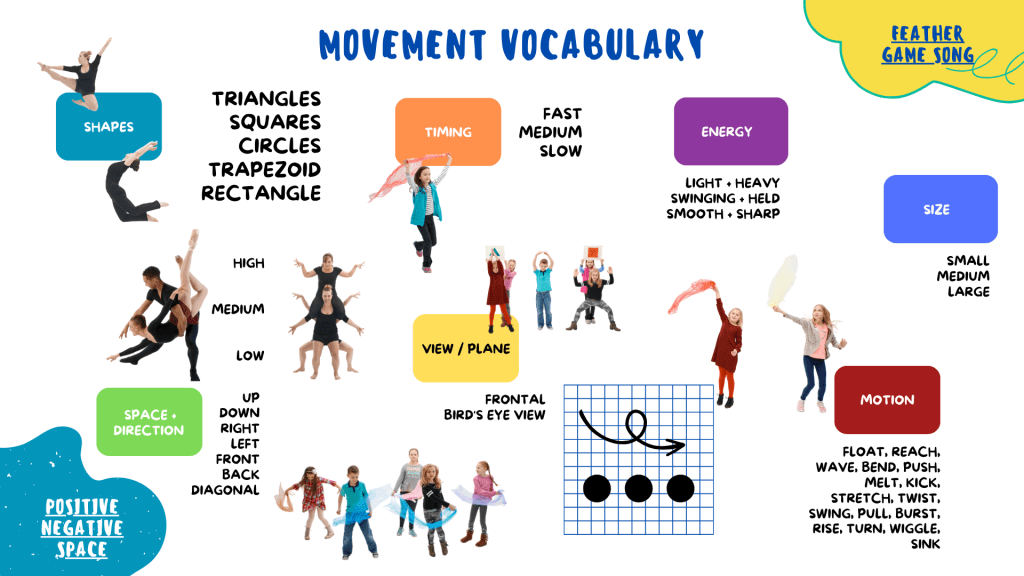
Disruptors of the Map: Why Students “Lose Their Way”
When a student appears clumsy, anxious, or unable to sit still, it may not be a behavioral issue—it may be a map disruption. Several factors can degrade the quality of proprioceptive data reaching the brain:
- Inactivity: Without movement, the map becomes “fuzzy” from lack of data.
- Pain & Inflammation: These send “noise” to the brain that drowns out accurate positional data.
- Instability: Weak joints or poor core strength create erratic mapping signals.
- Stress: High cortisol levels prioritize survival over precise motor control, leading to “clunky” movement and increased anxiety.
Blurry neural representation makes the body harder to control. This leads to a high reliance on visual cues (staring at feet), increased injury risk, and a persistent “background hum” of physical anxiety.
How Dance Clarifies the Map
The good news is that dance is a “high-definition” upgrade for the brain. Unlike random play, dance provides the specific inputs required to sharpen neural representation:
- Controlled Movement: Forces the brain to engage the motor cortex with intention.
- Joint Differentiation: Moving the hip independently of the spine clarifies the boundaries of the sensory map.
- Speed Variation: Moving slowly builds control; moving fast builds reflexive mapping.
- Load and Resistance: Using body weight or floor work provides the deep-pressure input that sensory maps crave.
- Attention to Detail & Repetition: This “carves” the neural pathways, making the map permanent and accessible.
Bringing the Map into the Classroom
Integrating dance isn’t just for the gymnasium or the stage; it belongs in the classroom. When we add movement to regular learning, we clarify the student’s proprioceptive map, which in turn settles their nervous system and prepares the brain for higher-level cognition.
Invest in High-Definition Learning
A body that is well-mapped is a mind that is ready to learn. By prioritizing movement, we reduce student anxiety and foster a classroom of coordinated, confident learners.
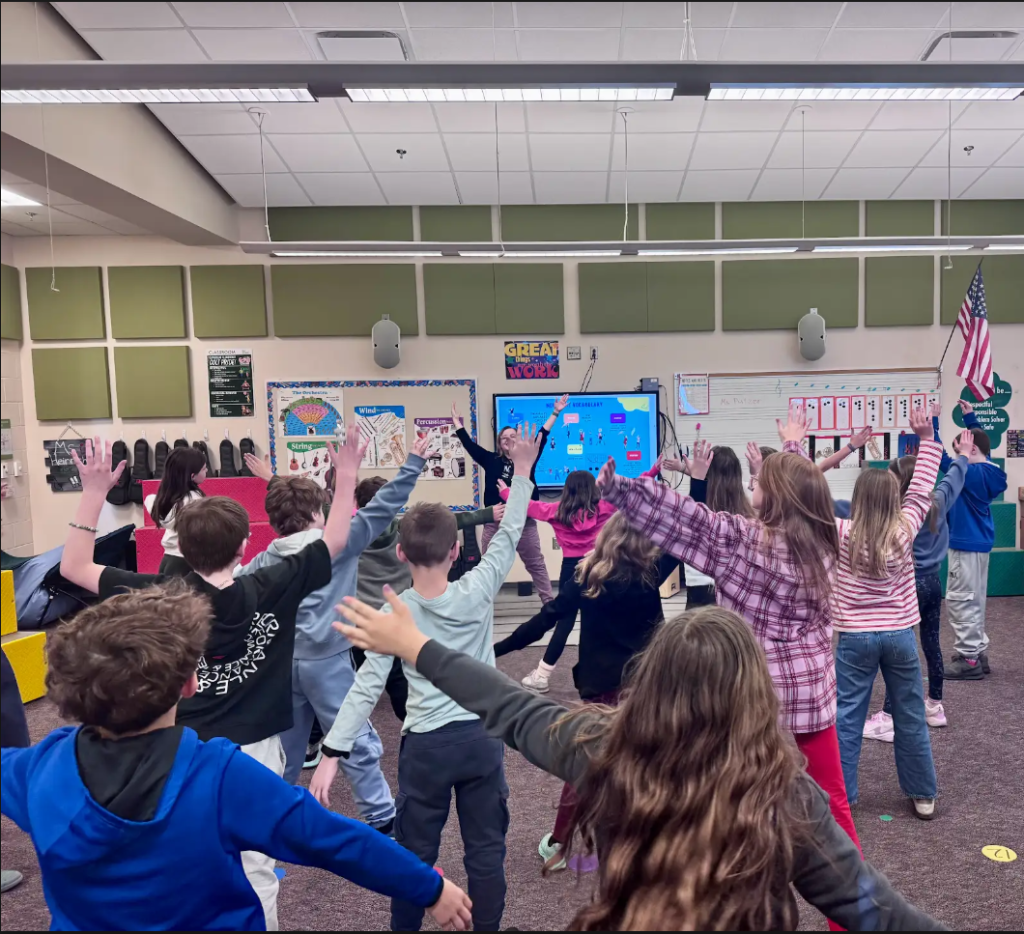
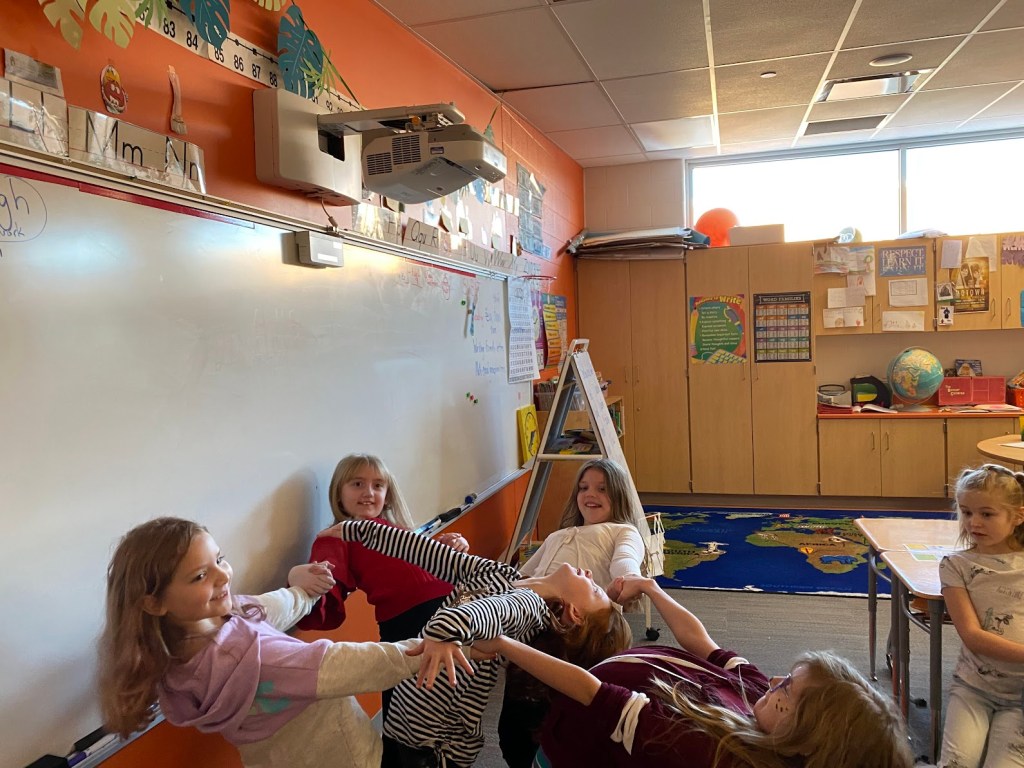
Here is a simple warm-up for classroom mobility.
Stay Connected for Weekly Lesson Plans
Are you ready to bring movement into your daily curriculum? Follow me online for weekly lesson plans designed to integrate dance into regular classroom learning. Together, we can help every student map their body, find their balance, and unlock their full academic potential.
Ready to bring consistency, trust, and impact to your work?
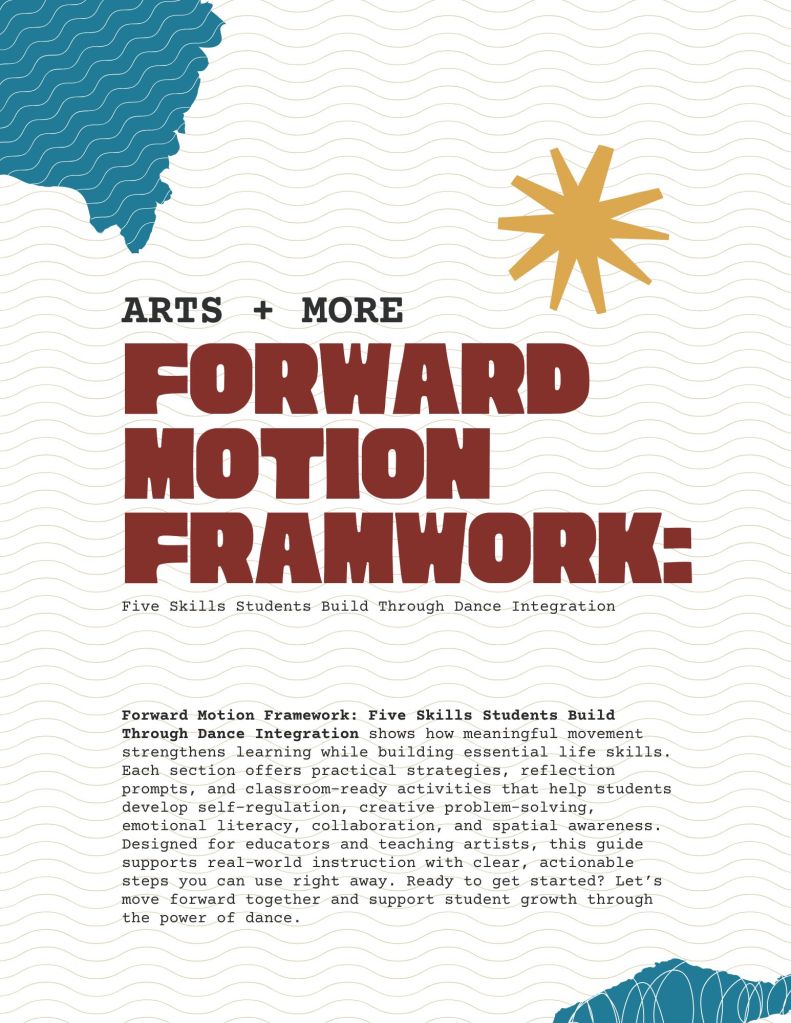
I invite you to download the Forward Motion Framework for practical tips to clarify your goals, identify barriers, and create an action plan for forward movement…
…WHICH MEANS you’ll start showing up with intention for your students and your creative projects today.
If you’ve found value in this work, I would love to hear from you. A short testimonial, Google Review, or comment helps me improve and allows others to see the difference we’re striving to make together.

References
- Wolpert, D. M., & Flanagan, J. R. (2001). Motor prediction. Current Biology. This research details how the brain uses internal models (maps) to control movement, supporting the idea that attention to detail and repetition in dance clarifies neural representation.
- Bastian, A. J. (2006). Learning to predict the future: the cerebellum adapts feedforward movement control. Current Opinion in Neurobiology. This study explores how the cerebellum acts as a predictive mapper, adjusting motor commands based on sensory feedback—a key component of dance education.
- Blakeslee, S., & Blakeslee, M. (2007). The Body Has a Mind of Its Own: How Body Maps in Your Brain Help You Do (Almost) Everything Better. Random House. A foundational text for educators explaining how sensory and motor maps are formed, updated, and clarified through physical practice.
- Cleveland Clinic (2024). Proprioception: What It Is, How To Improve It & Disorder. This resource outlines the fundamental body systems involved in sensing position and movement, including peripheral mechanoreceptors and the vestibular system.
- Kandel, E. R., et al. (2021). Principles of Neural Science (6th Edition). McGraw-Hill. This medical text provides the anatomical basis for how multi-sensory and spatial maps are integrated within the parietal cortex and how inactivity or stress can degrade these neural pathways.
- Lundy-Ekman, L. (2022). Neuroscience: Fundamentals for Rehabilitation. Elsevier. An excellent reference for the impact of inflammation and pain as “disruptors” that blur the brain’s internal representation of the body.

Leave a comment