
Dance is not decoration. It is a tool for change. As a teaching artist, I see it daily. Students walk in carrying stress, doubt, or silence. They leave with agency. That shift is not accidental. Dance builds the body, organizes the mind, and gives language to emotion.
The Power of Dance in the Body and Mind
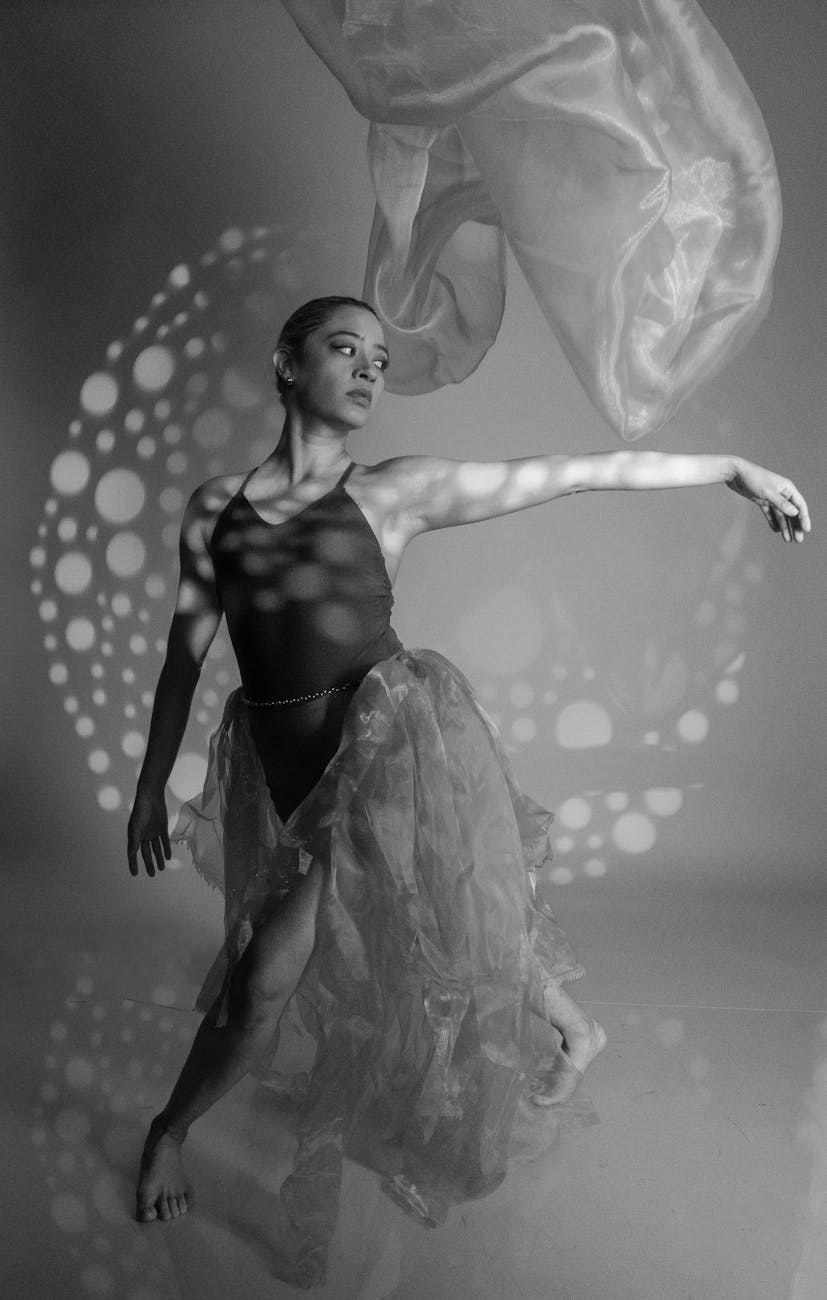
- Physically, dance develops strength, coordination, and endurance. It demands discipline. Students learn how to push through fatigue and refine technique.
- Emotionally, dance teaches regulation. Movement becomes a safe outlet for anger, grief, and joy. Students begin to name what they feel. That is emotional literacy in action.
- Socially, dance builds connection. Ensemble work requires listening, timing, and trust. Students understand quickly that their choices affect others.
Dance as a Daily Personal Revolution
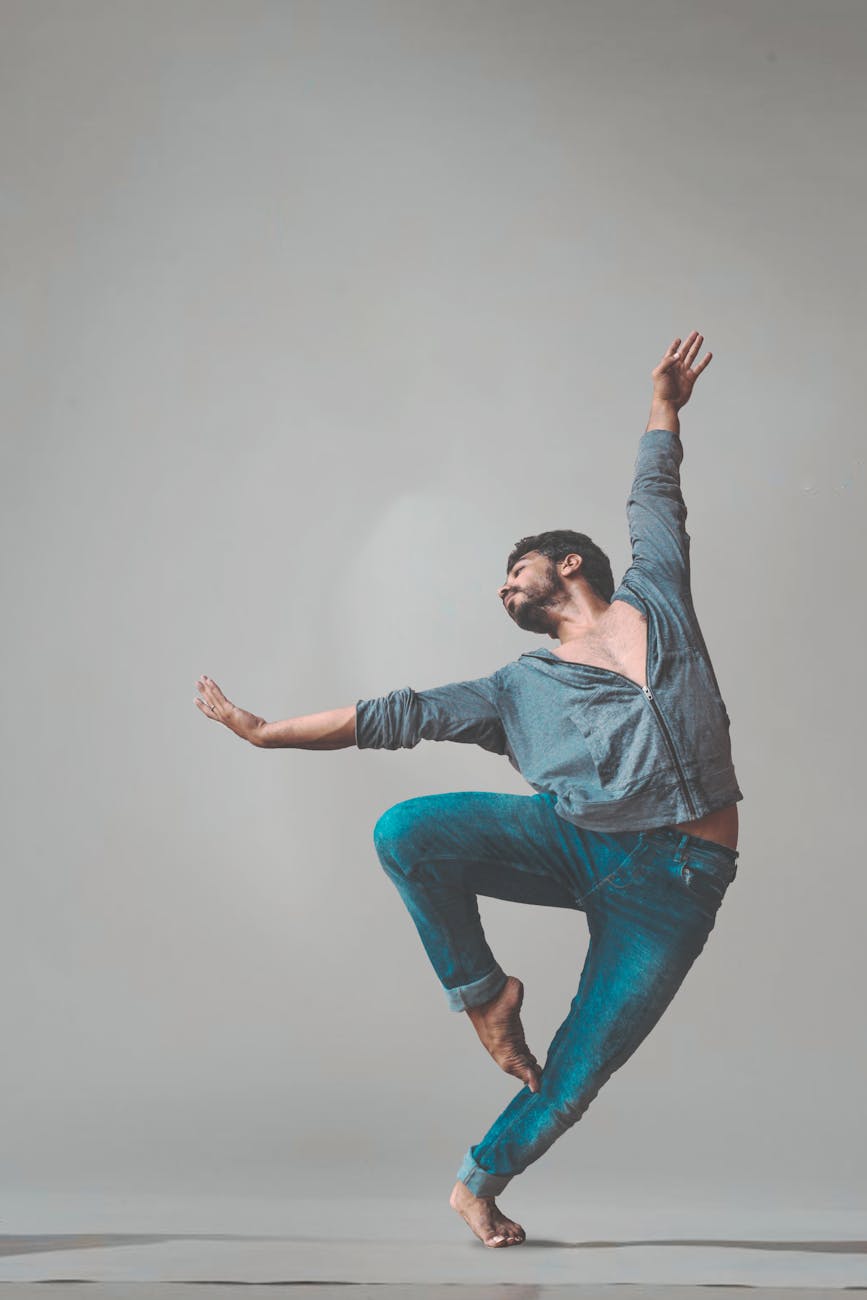
A revolution does not have to be loud. In dance, it can be quiet and consistent. Each class is a chance to choose effort over avoidance. Each correction is a chance to grow instead of shut down.
- Students learn autonomy. No one can do the work for them. They must take ownership of their bodies and choices.
- They develop creative problem-solving. A missed step becomes a new pathway. A limitation becomes innovation.
Over time, these small decisions reshape identity. “I can’t” becomes “I will try.” That is a personal revolution.
Six Dance Forms Built as Acts of Resistance and Identity
Capoeira
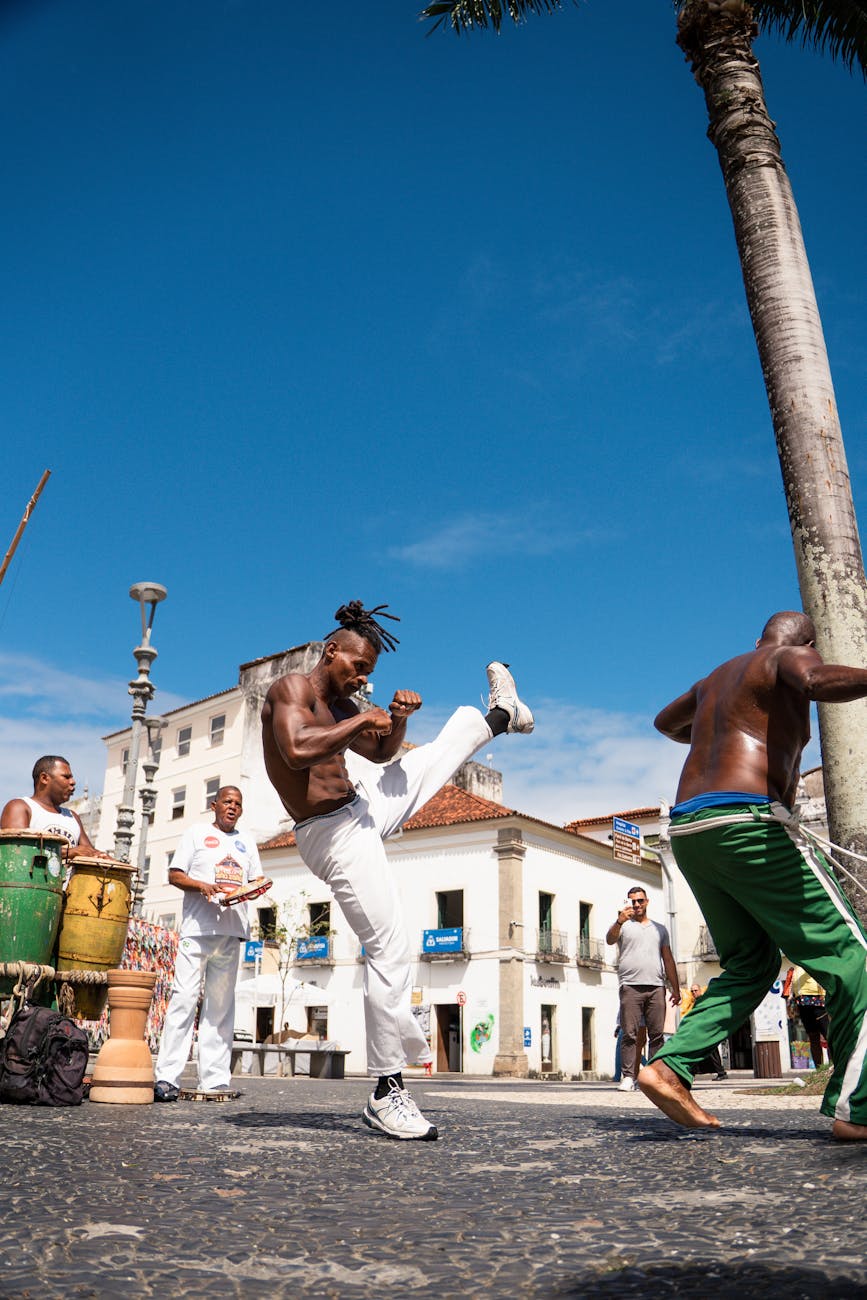
Capoeira was born under oppression in Brazil. Enslaved Africans disguised self-defense as dance. It teaches strategy, awareness, and resilience. Students learn to think while moving and to respond in real time.
Dabkeh
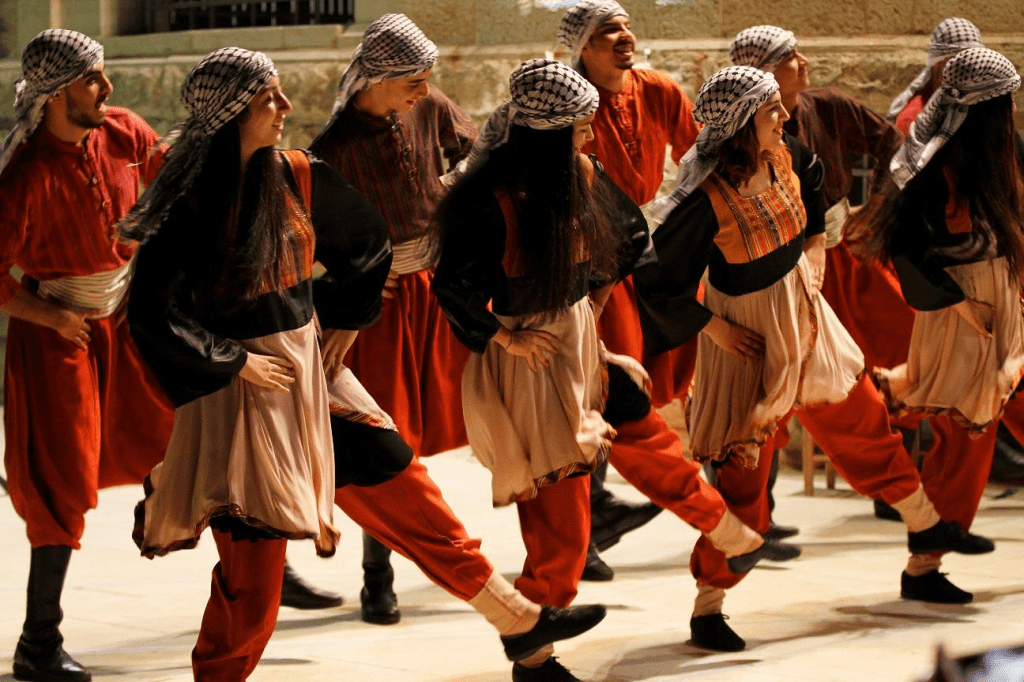
Dabkeh centers community. The line or circle reinforces unity. Its grounded stomping connects dancers to land and identity. Students feel belonging and shared strength.
Krump
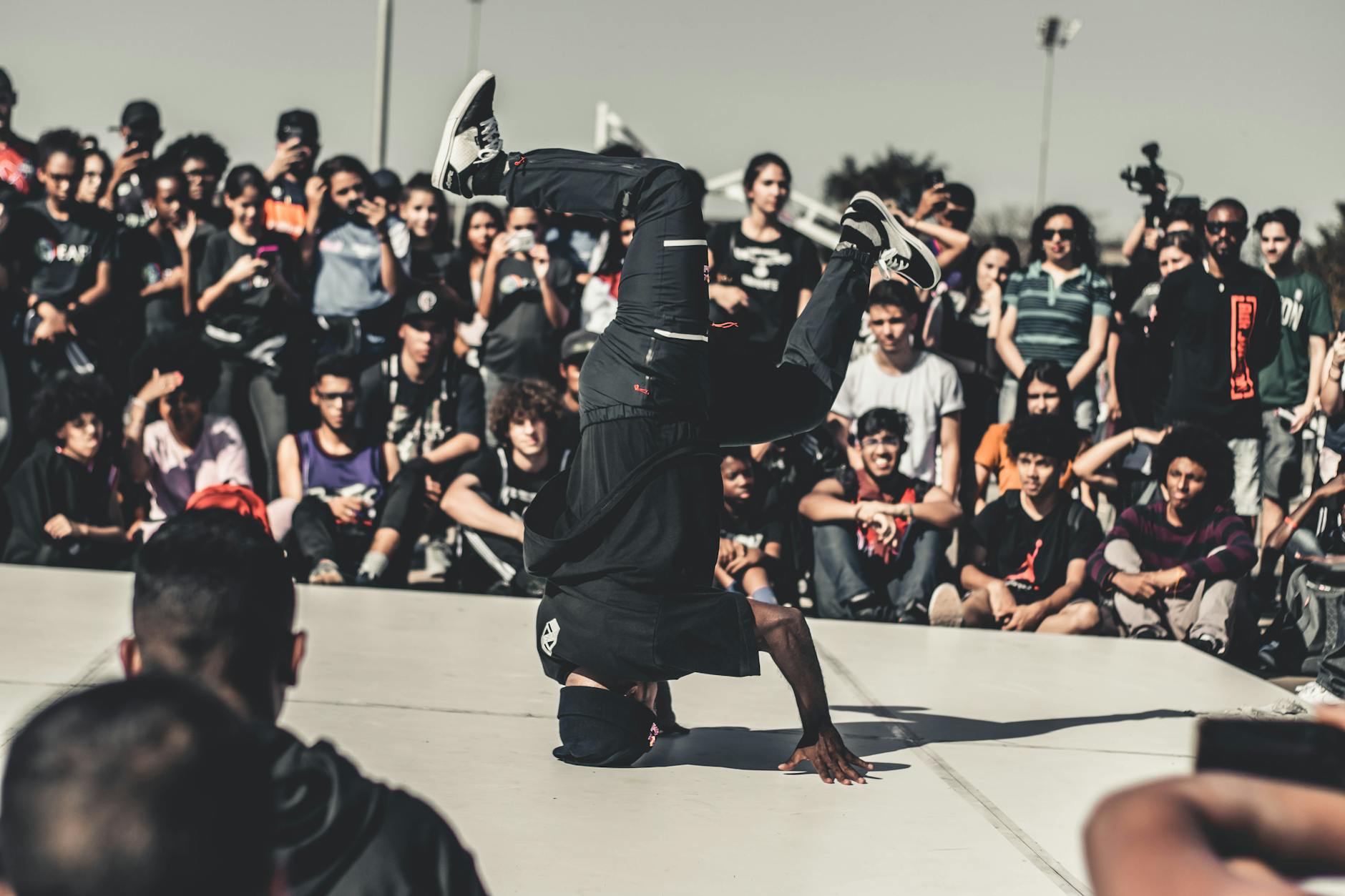
Krump emerged from inner-city communities as release. It is raw and unapologetic. Students learn that intensity can be shaped, not suppressed. Expression becomes power, not chaos.
Flamenco
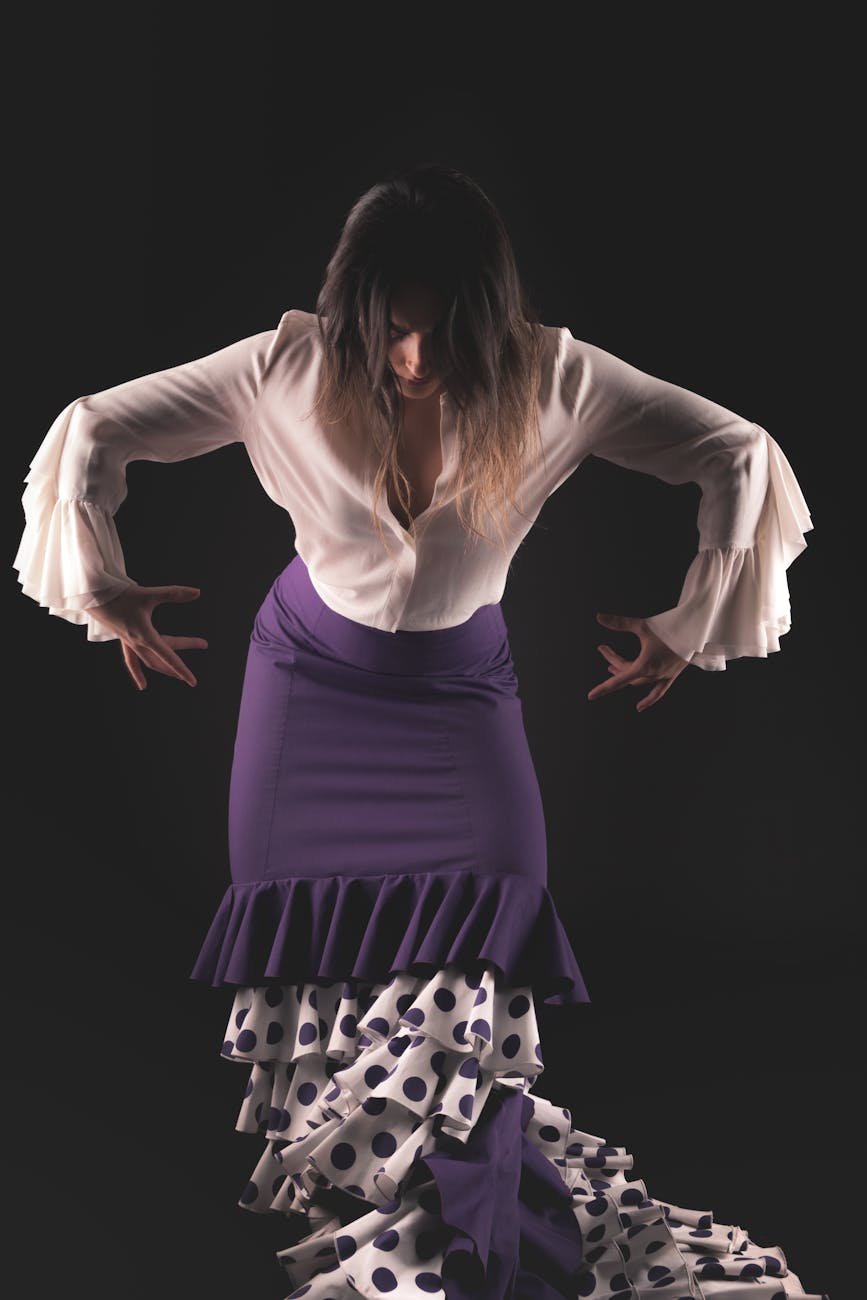
Flamenco demands control and emotional depth. The concept of duende pushes dancers to access truth. Students learn precision alongside vulnerability.
Vogue
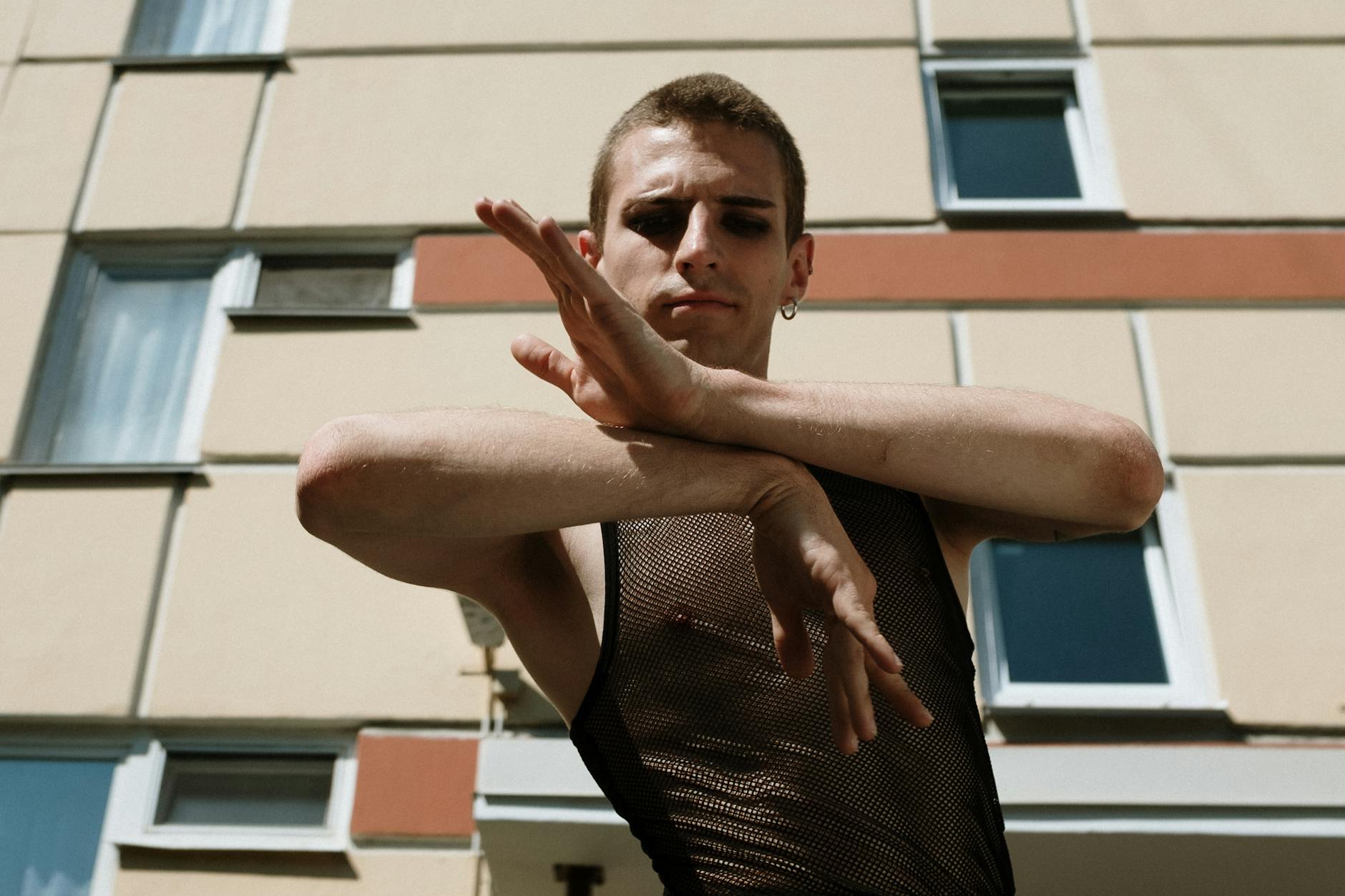
Vogue was built in LGBTQ ballroom culture as identity and survival. It celebrates individuality within community. Students explore self-definition and confidence.
Haka
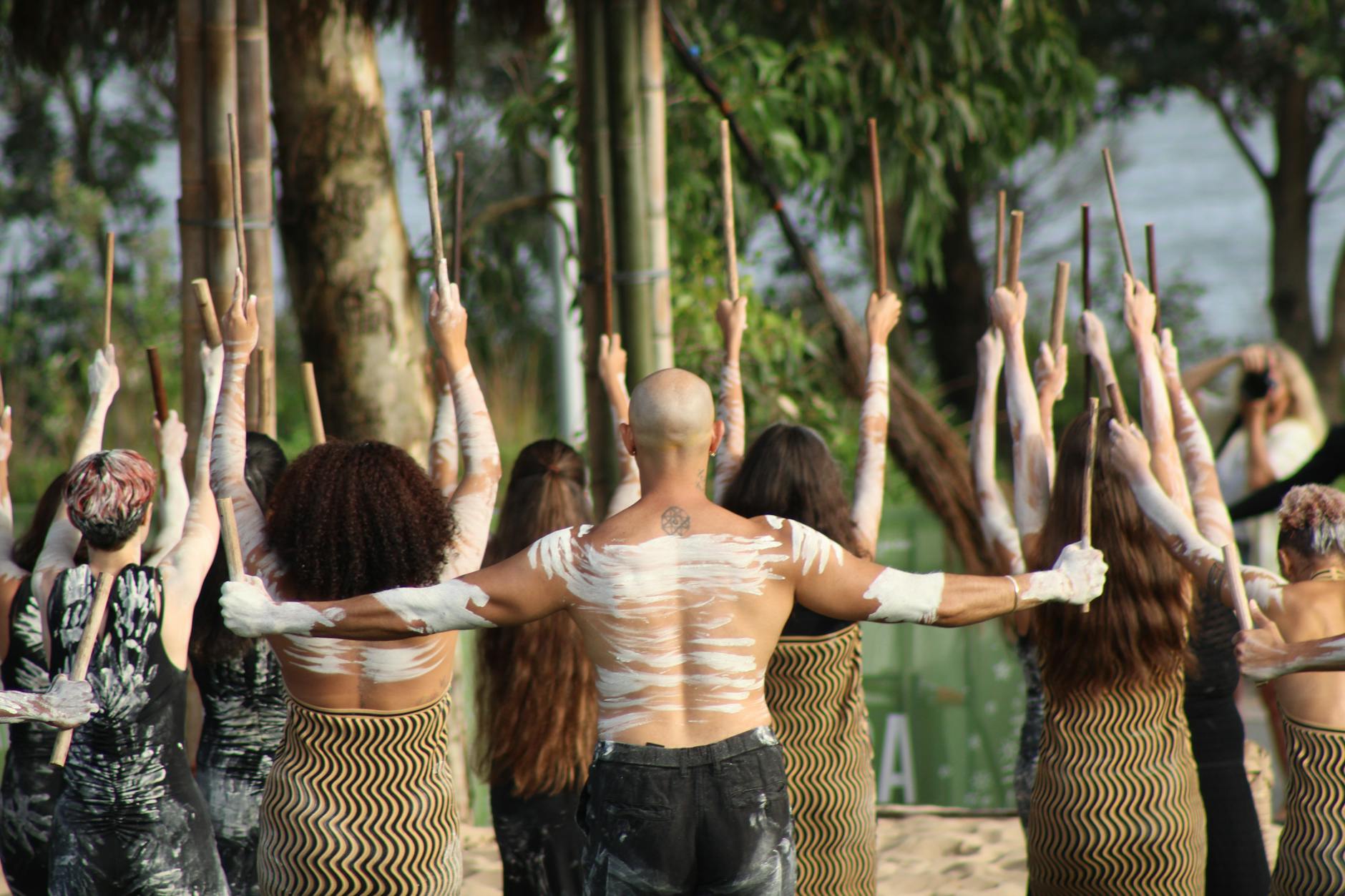
Haka embodies unity, strength, and purpose. It is both preparation and declaration. Students experience collective energy and respect for tradition.
Caring School Climate, Community Values Youth
A strong dance program helps shape a caring school climate where students feel seen, supported, and valued. In the studio, every dancer’s effort matters. Students learn to encourage one another, celebrate growth, and respect differences in ability and background. This environment reinforces the message that young people are worth investing in. When a community visibly values its youth through the arts, students respond with greater commitment, confidence, and responsibility. Dance becomes more than instruction; it becomes a shared space where belonging is built, voices are respected, and each student understands they have a place and a purpose.
Final Thought
These forms were not created for entertainment alone. They were created to survive, to resist, and to connect. When we teach dance with that understanding, students gain more than skill. They gain autonomy, emotional clarity, and the ability to solve problems creatively.
That is the real work. That is the revolution. Keep at it.
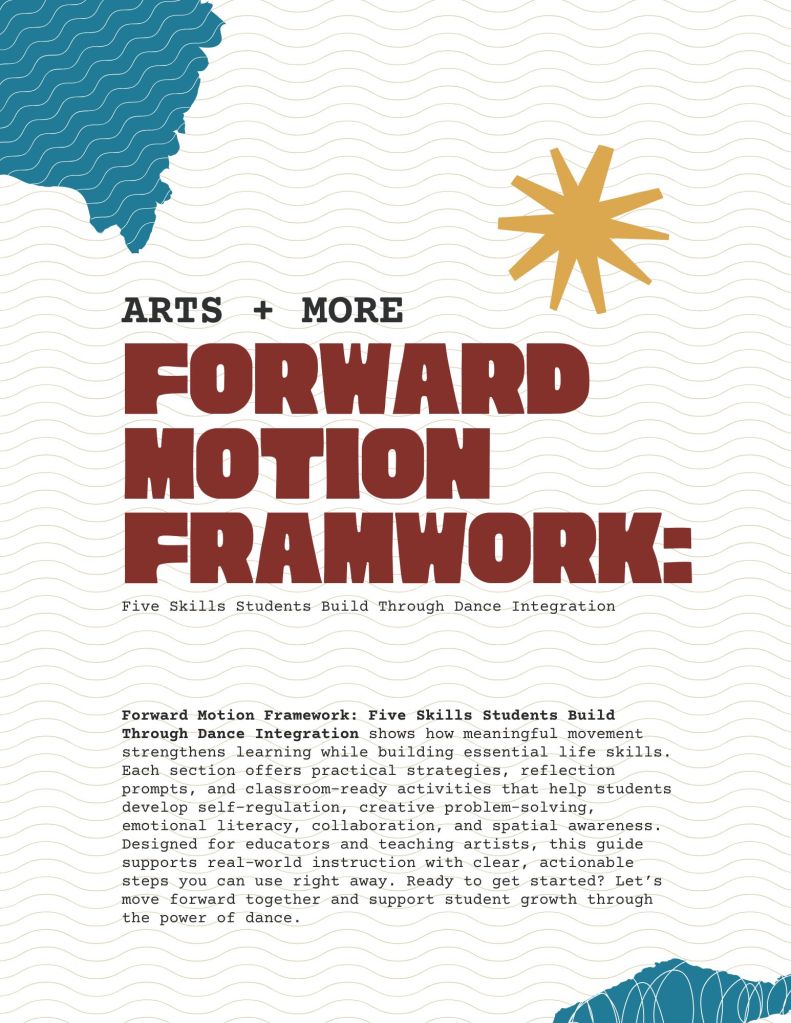
Ready to bring consistency, trust, and impact to your work?
I invite you to download the Forward Motion Framework for practical tips to clarify your goals, identify barriers, and create an action plan for forward movement…
…WHICH MEANS you’ll start showing up with intention for your students and your creative projects today.
If you’ve found value in this work, I would love to hear from you. A short testimonial, Google Review, or comment helps me improve and allows others to see the difference we’re striving to make together.


Leave a comment