
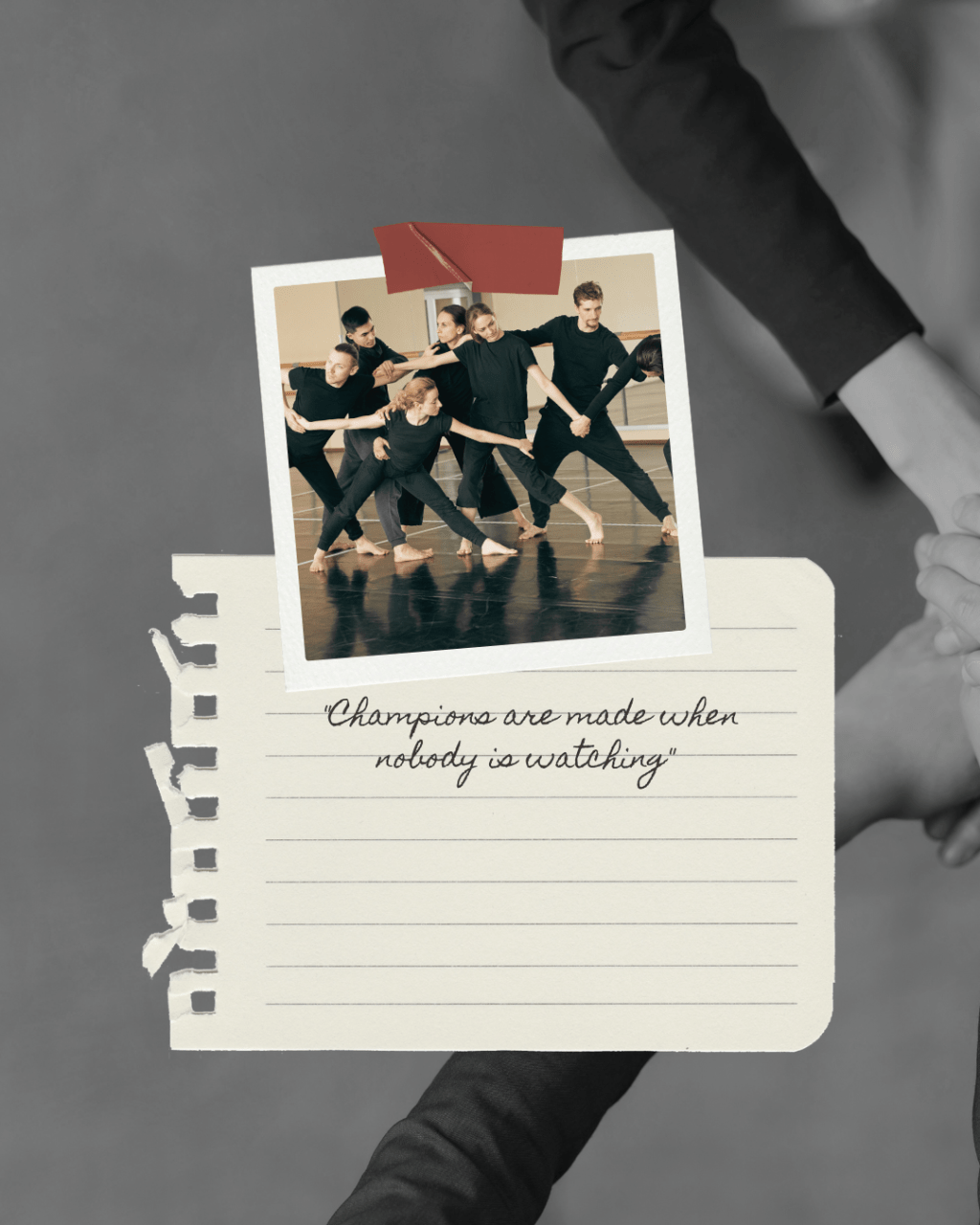
A lack of belonging often shows up quietly.
A student withdraws. Another blames the system. Someone else decides, “I’m just not good at this.” When students feel disconnected, they begin to externalize—they made me feel this way, it’s impossible, nothing I do matters. Over time, that mindset erodes effort and confidence.
An internal locus of control shifts that pattern. It is the belief that one’s actions influence outcomes. Students with this mindset take responsibility, focus on what they can control, and act with intention. They do not ignore challenges; they learn how to respond to them.
Locus of control is the way a person understands what drives outcomes in their life. An internal locus of control means you believe your actions, effort, and decisions influence results. You take responsibility, focus on what you can change, and act on it. An external locus of control places outcomes outside of you—on luck, other people, or circumstances. That can lead to blame or passivity. In practice, a healthy internal locus does not ignore limits; it recognizes them and then looks for strategies, support, and skills to move forward.
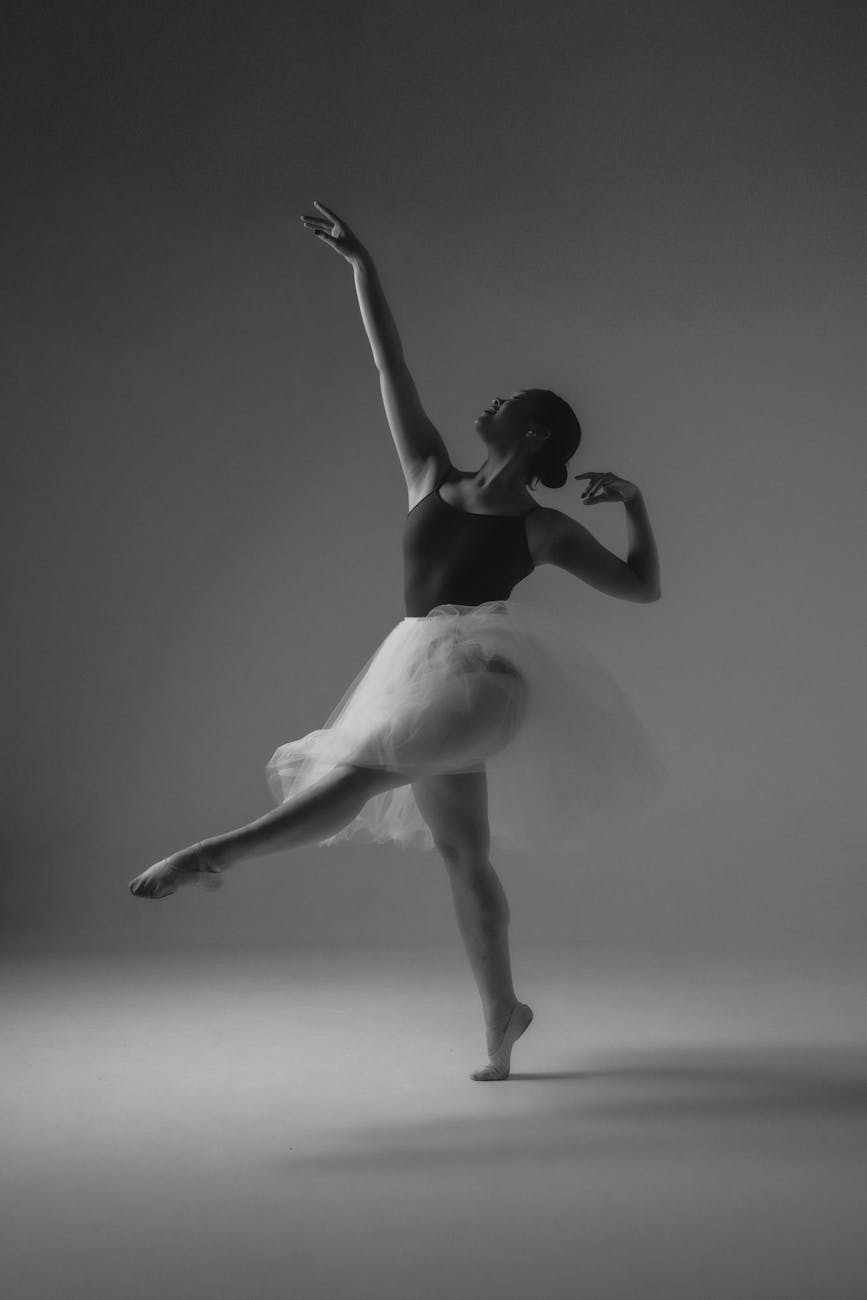
It’s a study in BALANCE!
I saw this clearly as a teaching artist during a winter rehearsal. A student, frustrated with choreography, said, “I can’t do this.” We paused. Instead of pushing through, we broke the phrase into counts, identified one transition, and practiced it slowly. Within minutes, the student said, “Wait—I can fix that part.” That moment mattered. The shift was not technical—it was cognitive.
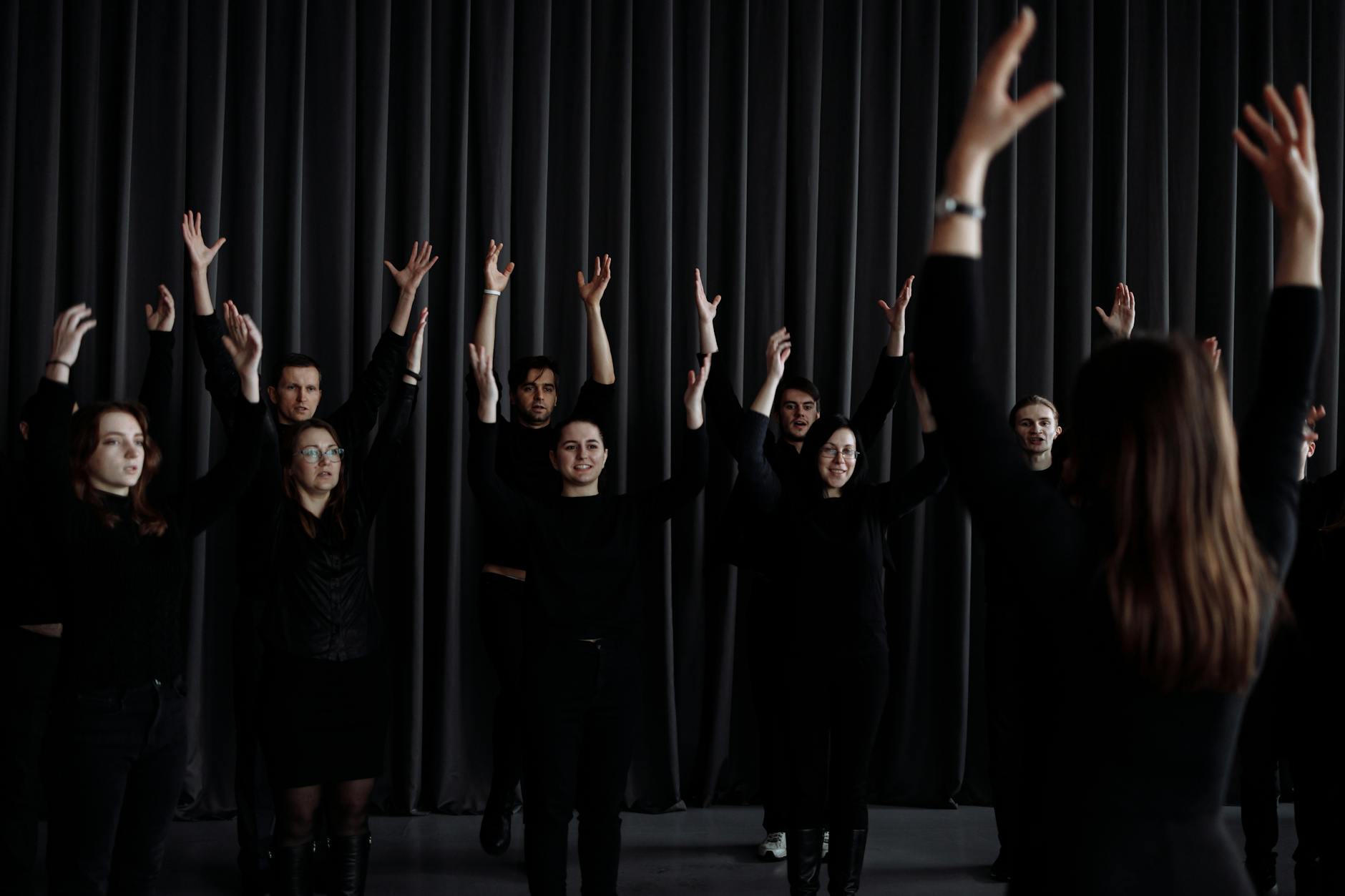
Arts integration builds both internal and external assets:
- Internal assets: self-efficacy, perseverance, emotional regulation, growth mindset
- External assets: supportive peer culture, consistent feedback, clear expectations, trusted adult mentorship
In that rehearsal, the student strengthened self-regulation (managing frustration), creative problem-solving (breaking down movement), and emotional literacy (naming the feeling, then moving through it). The ensemble supported collaboration, while repeated practice built spatial awareness and precision.
Shifting Off the Helplessness Pendulum
Students often swing between externalizing (it’s everyone else’s fault) and internalizing (I’m the problem). Both feel powerless. Dance interrupts that cycle with action:
- Identify what you can control: timing, effort, focus
- Learn missing skills: counting music, marking choreography, and using feedback
- Replace fixed statements with action steps: What can I try next?
This is how dance etiquette becomes regular behavior.
The same skills drive academic performance:
- A poor test score becomes a plan: adjust study habits, seek help, practice retrieval
- Group projects improve through collaboration and role clarity
- Writing strengthens through creative problem-solving and revision
- Classroom focus improves with self-regulation strategies learned in rehearsal
Students begin to say, “I can influence this outcome.” That belief changes effort, persistence, and results.
Dance education does more than teach movement. It teaches agency. When students experience control over small actions, they build the confidence to shape larger outcomes—in school and beyond.
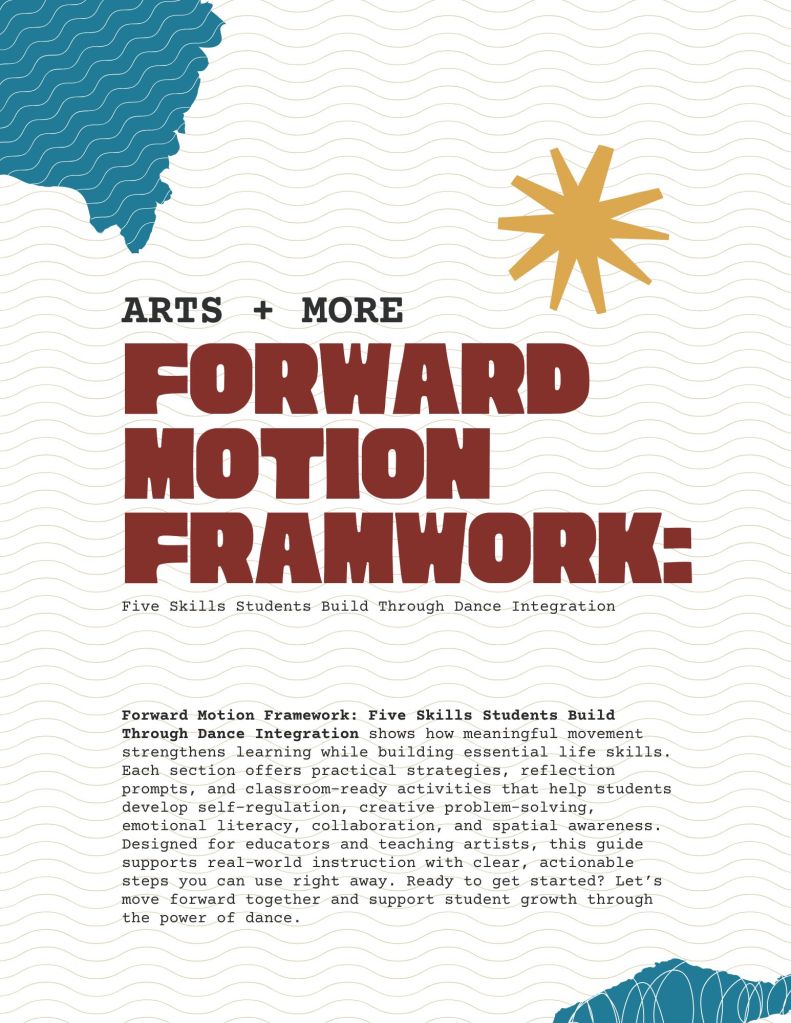
Ready to bring consistency, trust, and impact to your work?
I invite you to download the Forward Motion Framework for practical tips to clarify your goals, identify barriers, and create an action plan for forward movement…
…WHICH MEANS you’ll start showing up with intention for your students and your creative projects today.
If you’ve found value in this work, I would love to hear from you. A short testimonial, Google Review, or comment helps me improve and allows others to see the difference we’re striving to make together.


Leave a comment