
At the heart of every classroom is a simple goal: teachers want their students to succeed, and clear, shared norms give students the confidence and structure to do exactly that.
A lack of belonging quietly undermines many classrooms. When expectations are unclear, students hesitate. They watch others first. They second-guess themselves. Participation drops, not because students lack ability, but because they do not know the rules of the environment. Administrators (golly! educators too) see this as disengagement. Teaching artists see it as uncertainty.
Performing arts classrooms confront this problem directly.
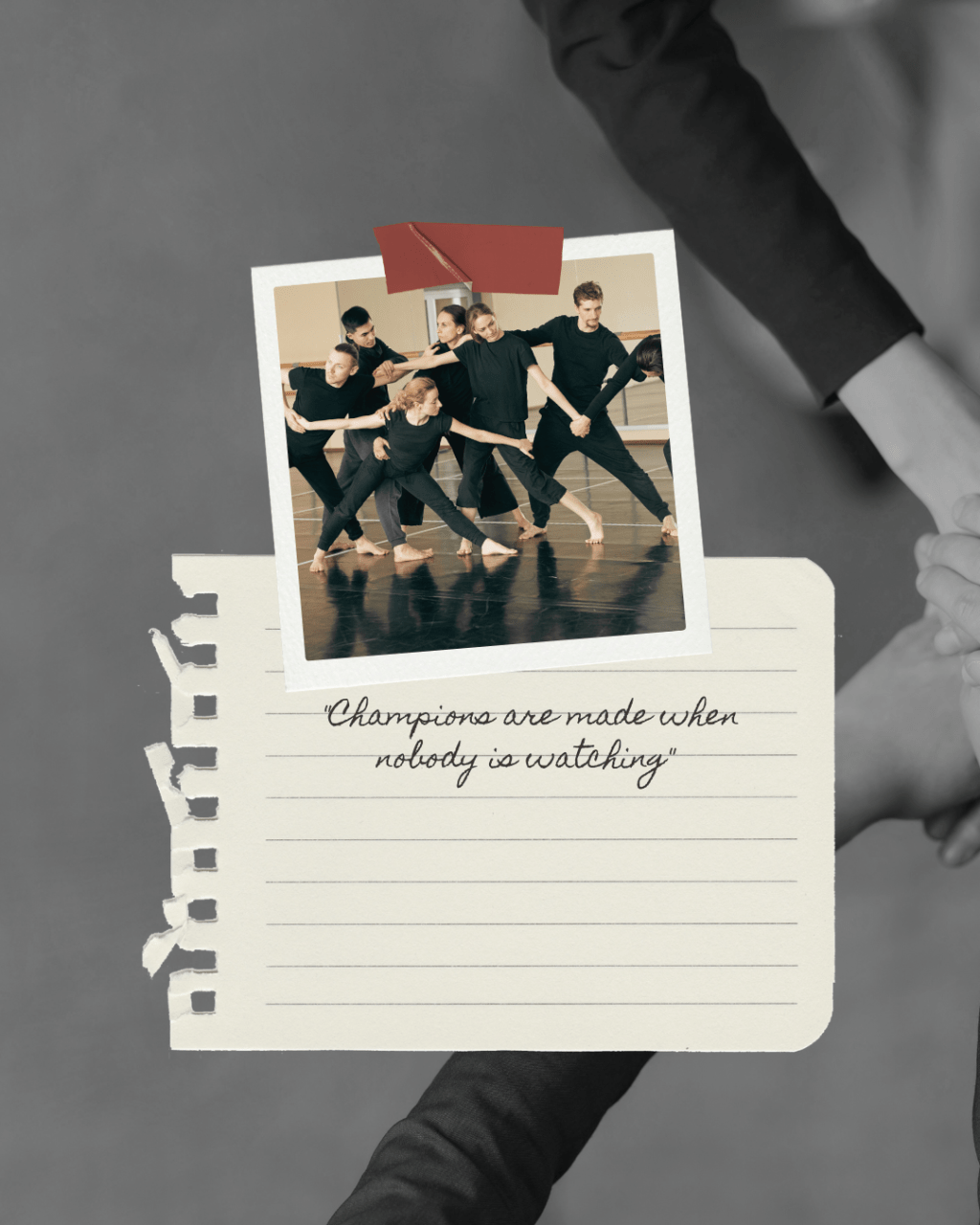
During a recent rehearsal, a group of students began moving through a staging sequence. Their choreography was technically simple, yet they looked unsure. Frankly, they looked disengaged, sloppy, lazy, and uninterested. They slowed down and fumbled with the pathways and steps as they approached one another. Some stepped back to avoid crossing paths. Others tried to guess where they should stand.
We paused.
I introduced two simple norms or rules for the ensemble’s performance.
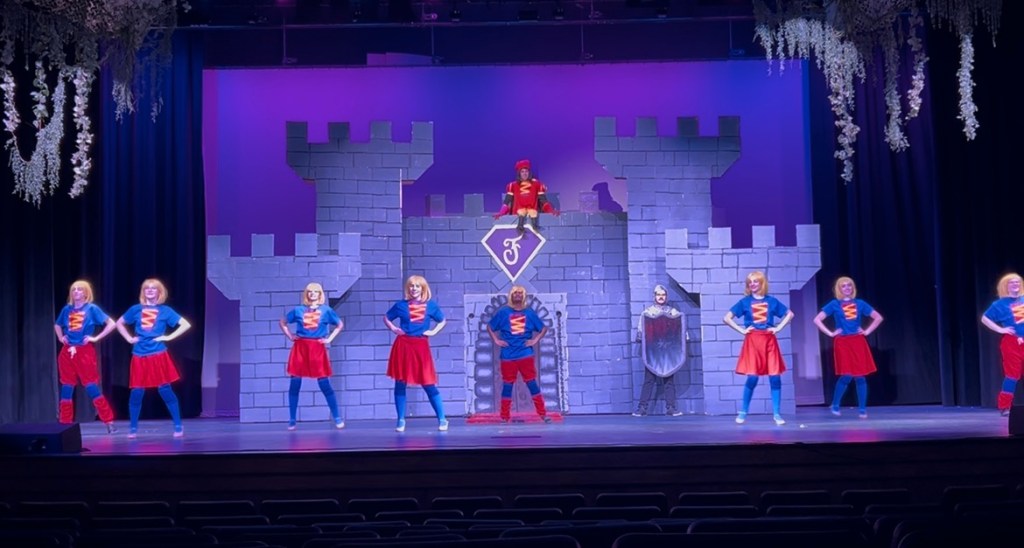
First: when hands go on hips, fingers stay closed while pinching the waist. It sounds small, but it immediately cleans up posture and alignment across an ensemble.
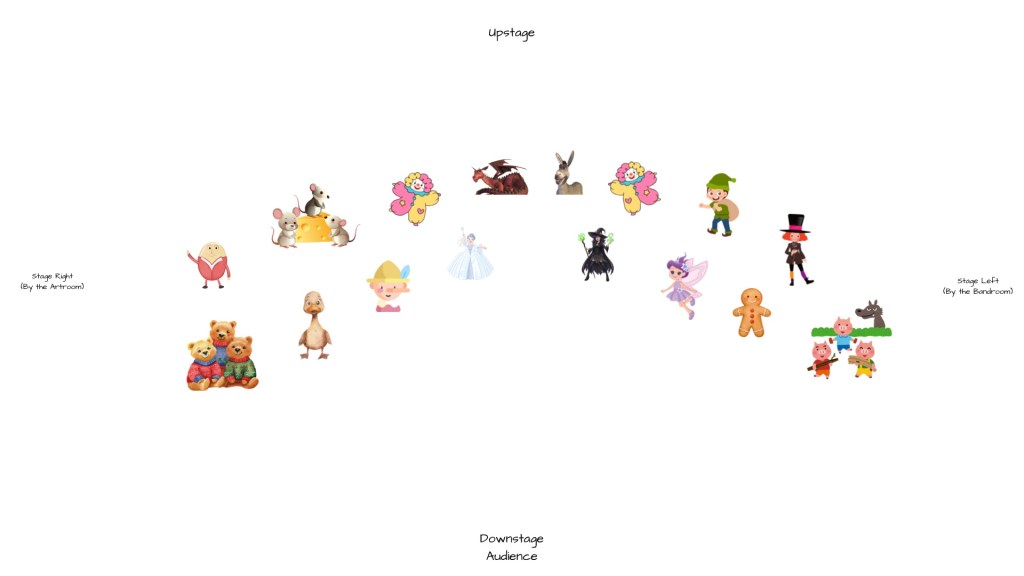
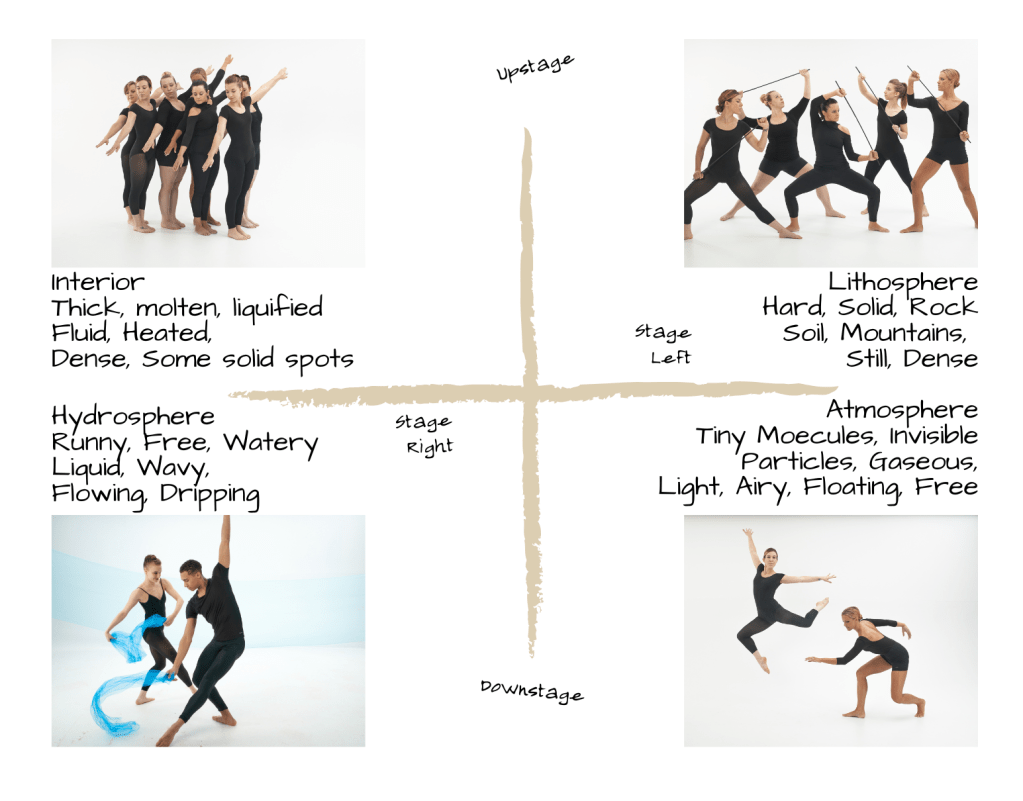
Second: when two performers approach each other, the performer entering from stage left moves downstage to pass.
Drivers in the United States sometimes laugh at this rule because it feels opposite to road traffic. In many European stage traditions, however, this pattern is standard.
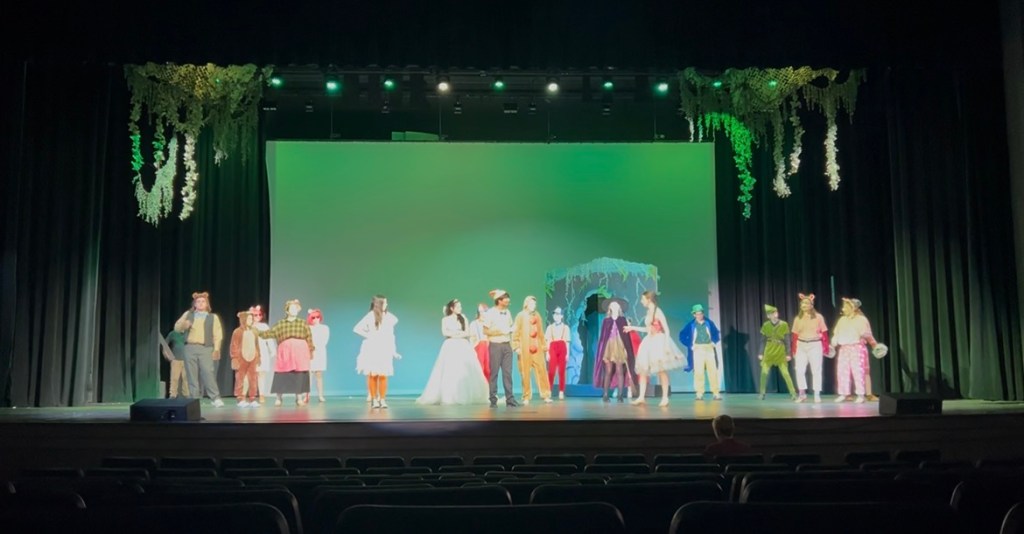
Once those norms were stated clearly and practiced together, the change was immediate. Students stopped hesitating. Movement became smoother. They no longer needed to negotiate space in the moment because the agreement had already been made. The rehearsal moved forward with less tension and far more confidence.
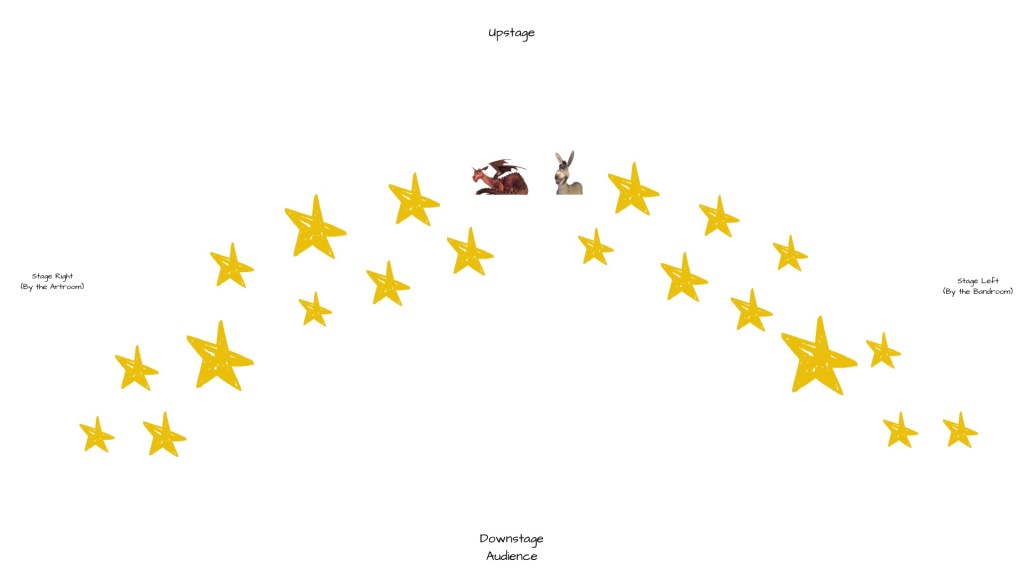
This is not about choreography alone. It is about developmental infrastructure. Once the students reveal what they’re nervous about, it’s time to provide them with professional solutions and ask them if they want to add a new resource to their Colossal Book of Classroom Tools.
When performing arts norms are shared in an ensemble setting, students gain a predictable social structure. They know how to enter space, how to share space, and how to support the work of others. That predictability lowers anxiety. It allows students to focus on learning instead of guessing expectations.
These norms also strengthen important developmental assets. Students begin to experience personal power. They recognize that their choices affect the group. They learn that preparation and awareness give them control over their environment. At the same time, the classroom climate becomes more caring. Expectations are consistent. Respect is visible. Students begin to help one another follow the norms because the success of the ensemble depends on it.
For administrators, this matters.
Belonging is not created through slogans or posters. It is built through repeated structures that help students succeed together. Performing arts classrooms demonstrate how small, clear agreements can organize complex group behavior.
The principle “to change with change is a changeless state,” often associated with Bruce Lee, offers a useful leadership lesson for schools. Stability does not come from rigid systems that never adjust. It comes from environments that are prepared to adapt. In the performing arts, this idea is practiced daily. Blocking changes. Music shifts. A prop breaks. A student misses a cue. The ensemble learns to adjust without losing focus on the shared goal. Clear norms make that flexibility possible because students have a reliable structure underneath the change. When educators adopt the same mindset, classrooms become more resilient. Teachers and students can respond to new challenges, shifting schedules, and evolving learning needs while maintaining a steady center built on trust, clarity, and shared expectations.
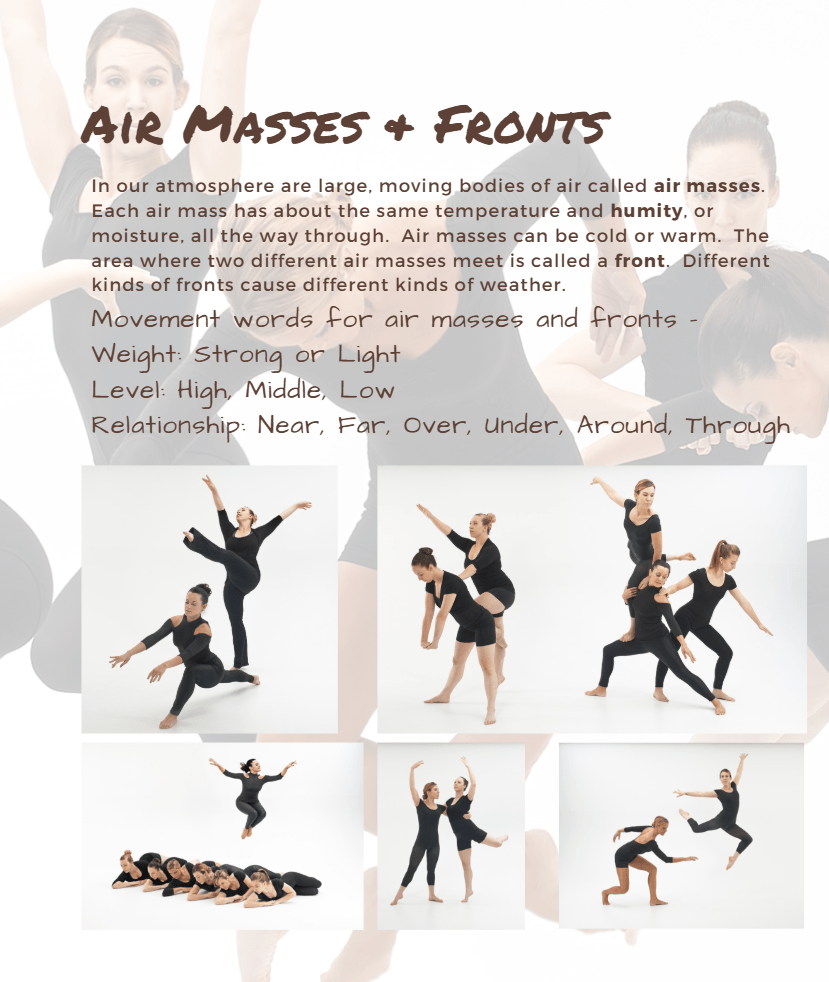
The transferable skills are powerful. Students develop collaboration as they coordinate movement with others. They build spatial awareness as they learn to read bodies, pathways, and shared space. They practice creative problem-solving when staging changes require quick adjustments. They also build emotional literacy as they become aware of how their presence affects the group.
These are not abstract concepts. They are practiced in real time through experiential learning. Students try, adjust, and improve. Mistakes become information rather than failure. That process naturally reinforces a growth mindset.
The academic benefits follow.
Students who understand shared norms participate more confidently in group projects, lab work, and class discussion. They listen more carefully. They move through collaborative tasks with less conflict because they already understand how group agreements function.
Teaching artists and administrators can use this insight immediately. Make expectations visible. Practice them out loud. Treat them as shared agreements rather than silent assumptions. Small norms, repeated consistently, create environments where students feel safe enough to take intellectual risks.
Belonging grows when students know how to move forward together.
Ready to bring consistency, trust, and impact to your work?
I invite you to download the Forward Motion Framework for practical tips to clarify your goals, identify barriers, and create an action plan for forward movement…
…WHICH MEANS you’ll start showing up with intention for your students and your creative projects today.
If you’ve found value in this work, I would love to hear from you. A short testimonial, Google Review, or comment helps me improve and allows others to see the difference we’re striving to make together.

Leave a comment