
A Leadership Field Guide for Teaching Artists
Most conversations about arts integration focus on creativity, engagement, or the joy of movement. Those outcomes are real and important, but teaching artists working in schools quickly discover there’s a lot more to the story.
Movement builds the invisible infrastructure that strong learning environments depend on.
As building instructors get to know the residency teaching artists, they’ll notice patterns. Those moments in the classrooms where behavior shifts, where thinking becomes visible, and where students demonstrate capabilities as performing artists talking about science or math.
Ten truths from the field: They are the things no one tells you when you decide to help students think with their bodies.
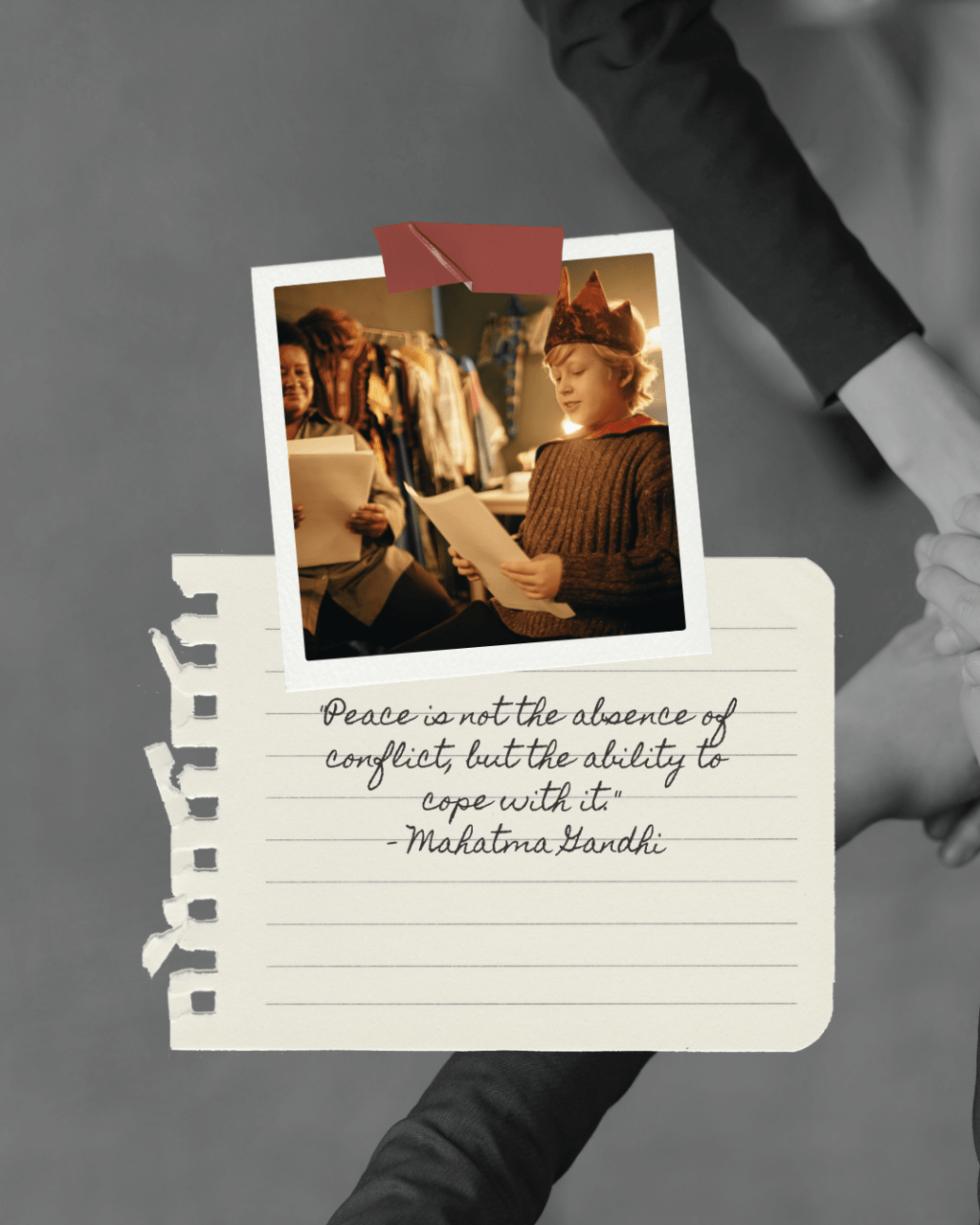
1. Movement Teaches Conflict Resolution Before Words Do
Schools often ask students to resolve conflicts peacefully, but rarely provide a place to practice it.
During a movement-based math activity, two students argued about who should lead their group’s pathway across the floor. Instead of stepping in immediately, I asked the group to test three physical solutions. As they tried each option, the tension eased. By the third attempt, the students were negotiating calmly and choosing together.
In that moment, students saw an adult role model responding to conflict with patience and structure, and they practiced peaceful conflict resolution themselves.
The transferable skill being built was self-regulation, supported by the leadership principle of psychological safety. Movement created a pause where students could think before reacting.
Self-regulation practiced this way strengthens academic persistence as well.
The real question for educators is simple:
Are we expecting peaceful conflict resolution, or designing opportunities to practice it?
2. Engagement Problems Are Often Energy Problems
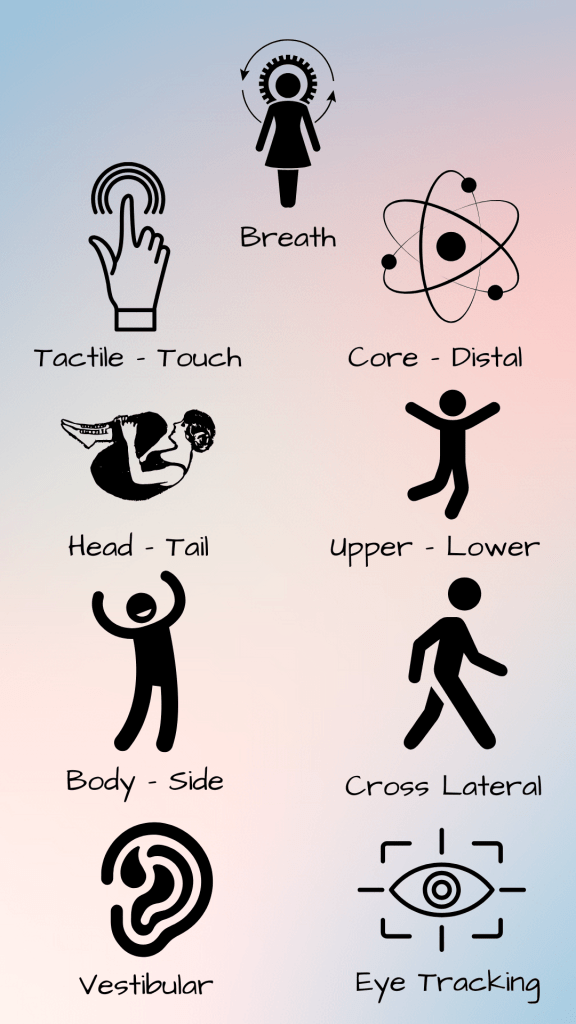
Students labeled “off task” are often simply under-stimulated.
Movement rebalances attention by giving the brain and body a shared task. When students stand, step, and map ideas physically, focus often returns within minutes.
The skill being developed is self-regulation, supported by experiential learning. Instead of forcing attention, movement restores it.
Academic thinking improves once the nervous system is ready to learn.
3. Collaboration Gets Easier When Students Can See the Problem
Students argue less when ideas become visible.
When concepts are mapped through movement, students stop debating opinions and start adjusting positions, patterns, and structures together.
This builds collaboration and strengthens the developmental asset of youth as resources—students recognize that each perspective helps solve the problem.
Leaders recognize this as servant leadership: creating environments where collective intelligence can emerge.
4. Movement Builds Belonging Faster Than Icebreakers
Shared movement creates group identity quickly.
When students mirror each other’s actions, build shapes together, or solve physical challenges as a group, social barriers soften, and participation rises.
This strengthens a caring school climate while building emotional literacy. Students begin to read the room, respond to others, and understand their place within a group.
Belonging grows through participation, not observation.
5. Quiet Students Often Become the Best Problem Solvers
Movement reveals thinkers who are often invisible in discussion-based classrooms.
In one residency, a quiet student who rarely spoke began rearranging her group’s formation to clarify the story they were building through movement. The group followed her lead without hesitation.
The lesson revealed personal power and creative problem-solving.
Leaders would recognize this as transformational leadership—new voices emerging when environments allow multiple ways to think.
6. The Room Becomes a Thinking Tool
In movement-based learning, the classroom itself becomes part of the lesson.
Students map ideas across the floor, build geometric relationships with their bodies, and move through sequences that reveal structure.
This develops spatial awareness, which directly strengthens reasoning in mathematics and science.
Learning becomes something students experience, not just observe.

7. Behavior Improves When Students Have Agency
Students protect the environments they help build.
When learners contribute ideas to a movement structure or group pattern, they take ownership of the process.
This strengthens achievement motivation and collaboration, reflecting the leadership principle of adaptive leadership.
Agency changes behavior faster than control.
8. Failure Becomes Data Instead of Shame
Movement encourages quick experimentation.
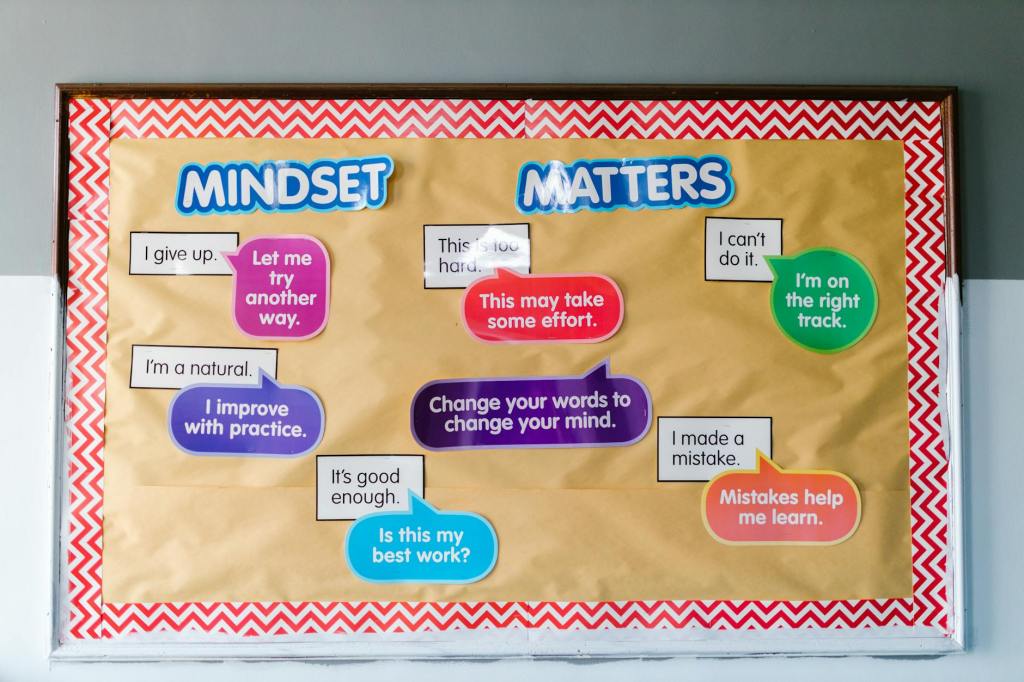
Students try an idea, observe the outcome, and adjust immediately. Instead of fearing mistakes, they treat them as information.
This builds creative problem-solving and reinforces a growth mindset.
Iteration becomes normal.
9. Teachers Start Seeing Their Students Differently
Movement often reveals capabilities teachers had not noticed before.
Students labeled disengaged may demonstrate leadership through spatial reasoning, storytelling, or group coordination.
This strengthens caring relationships and emotional literacy across the classroom.
Sometimes the biggest transformation in arts integration happens in adult perception.
10. Movement Doesn’t Replace Academics — It Makes Them Stick
The ultimate impact appears in academic transfer.
- Students who embody story structure organize writing more clearly.
- Students who move through geometric ideas reason more confidently in mathematics.
- Students who collaborate physically approach scientific inquiry with curiosity and persistence.
Movement integrates self-regulation, collaboration, emotional literacy, creative problem-solving, and spatial awareness—skills that support every academic discipline.
The real question for schools is not whether movement belongs in learning.
The question is this:
If these skills matter for academic success, where are students actually practicing them?
Movement Is Leadership in Action
Teaching artists often enter classrooms believing they are bringing creativity.
What they quickly realize is that they are building something much deeper: capacity.
When learning moves into the body, students begin practicing the skills strong communities depend on—self-regulation, collaboration, emotional literacy, creative problem-solving, and spatial awareness. These are not enrichment outcomes. They are the developmental foundations that support academic success and healthy leadership.
Movement does not replace rigorous learning. It strengthens it by giving students a place to rehearse the behaviors and thinking patterns that complex learning requires.
For teaching artists and educational leaders, the work becomes intentional. Every movement experience is an opportunity to strengthen an internal or external asset, to model responsible behavior, and to help young people practice peaceful ways of resolving challenges together.
So the question worth asking is not whether movement belongs in education.
The real question is this:
What kind of learners—and leaders—are we intentionally helping students become?
Ready to bring consistency, trust, and impact to your work?
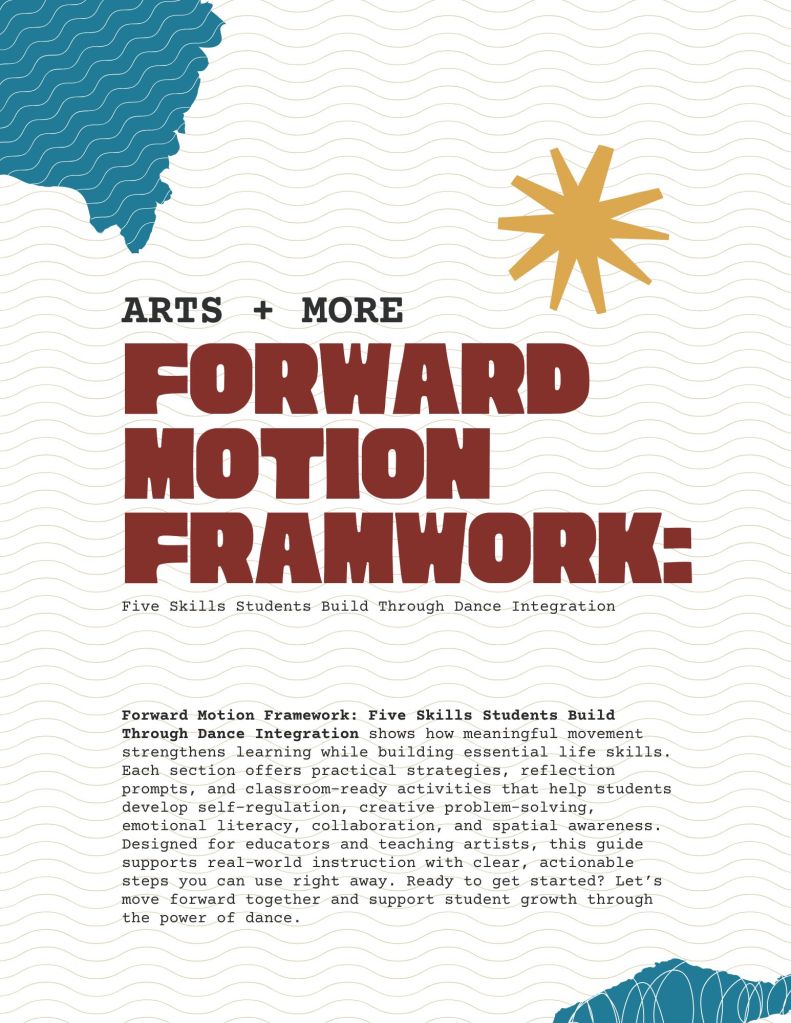
I invite you to download the Forward Motion Framework for practical tips to clarify your goals, identify barriers, and create an action plan for forward movement…
…WHICH MEANS you’ll start showing up with intention for your students and your creative projects today.
If you’ve found value in this work, I would love to hear from you. A short testimonial, Google Review, or comment helps me improve and allows others to see the difference we’re striving to make together.


Leave a comment