
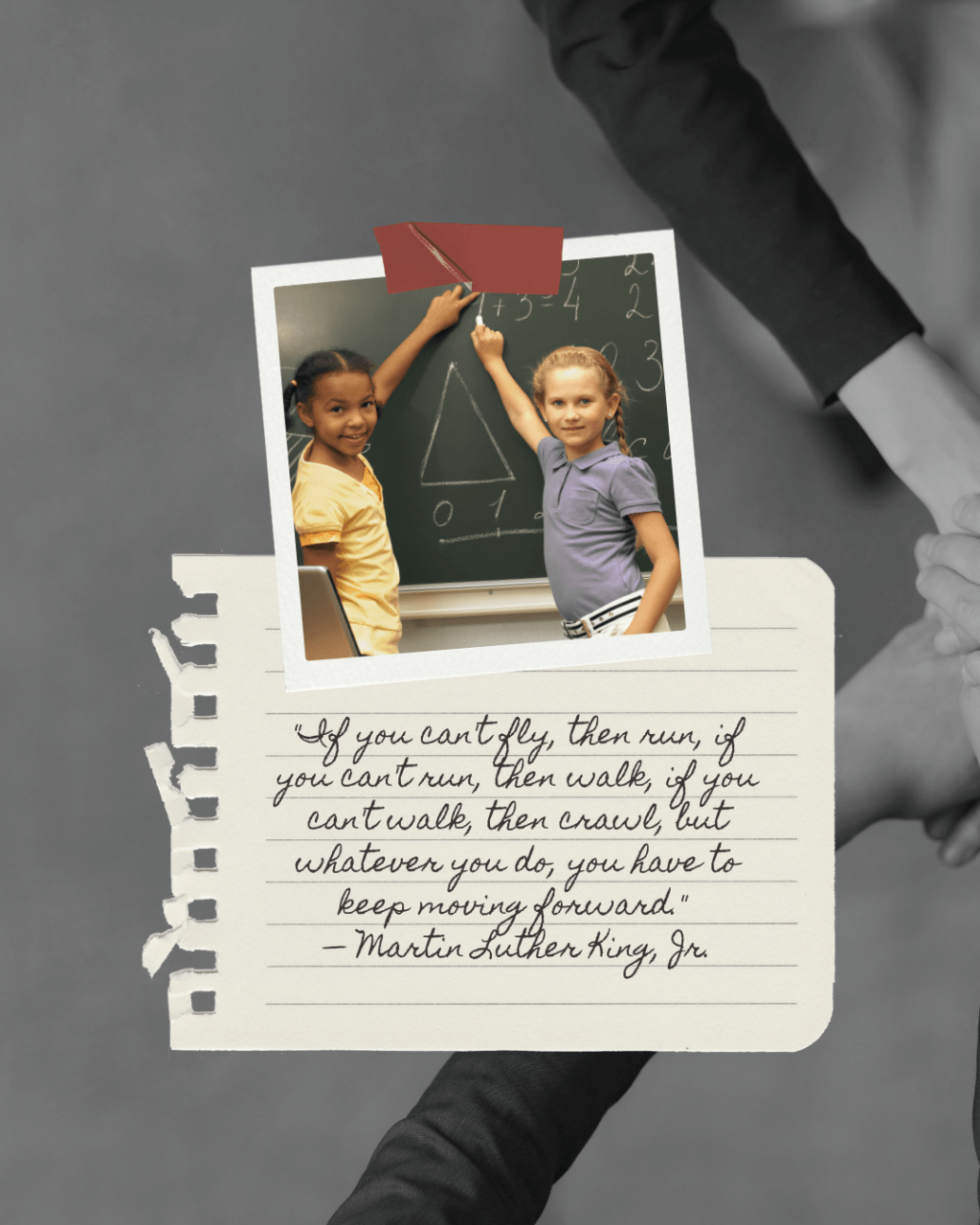
Across districts, leaders keep naming the same challenge: students are showing up, but they’re not showing up. Motivation is fragile. Academic growth stalls. Kids comply, but they’re not invested. And often, the issue isn’t the curriculum — it’s whether students believe their effort actually leads somewhere.
When young people don’t feel connected to their learning or to the people teaching them, stagnation sets in. They stop taking risks. They stop trying. They stop believing they can grow.
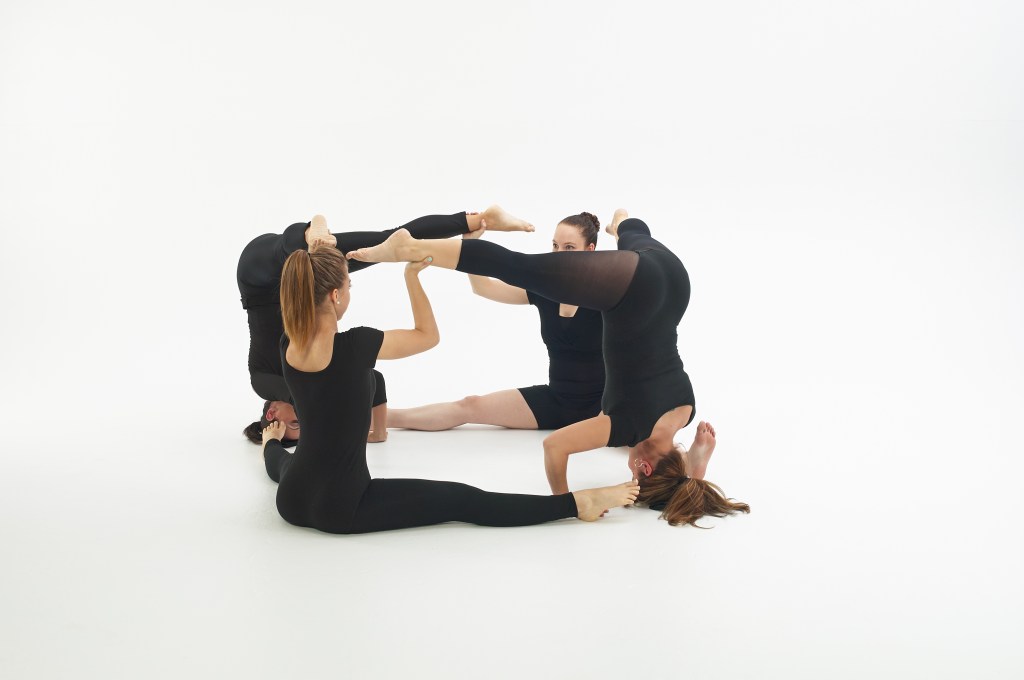
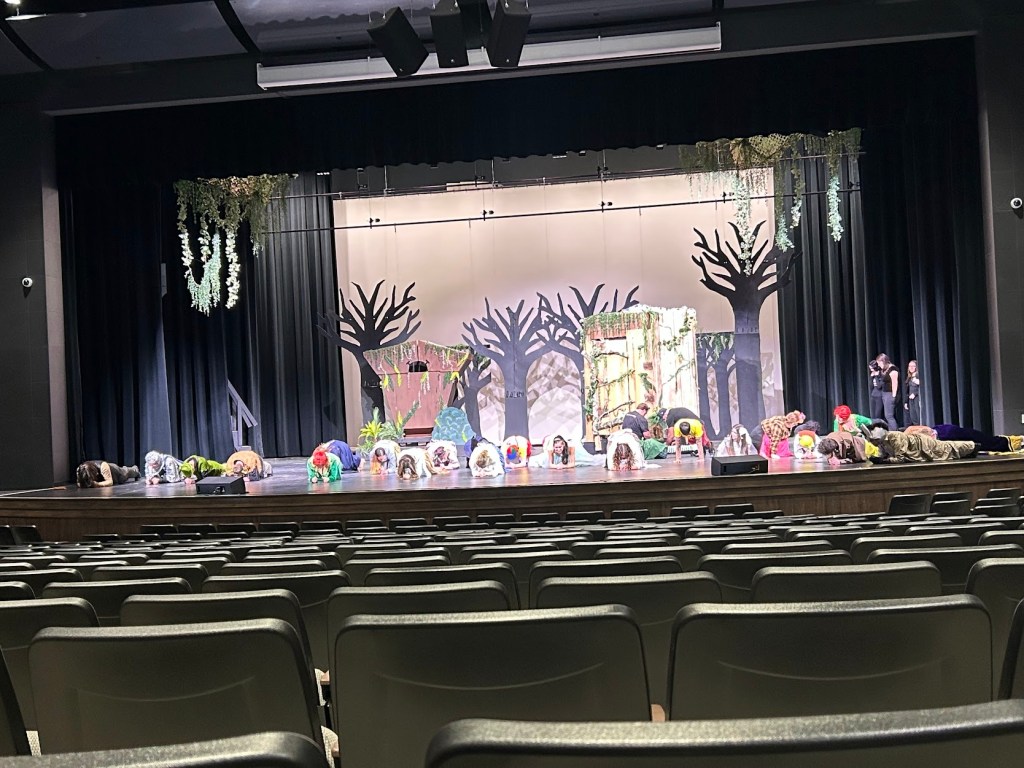
I saw this firsthand as a teaching artist working with a fifth‑grade class in an urban school struggling with chronic absenteeism. We introduced weekly dance sessions connected to math lessons. Nothing flashy — just movement patterns tied to math patterns.
Slowly, the room shifted.
Students who usually stayed quiet began volunteering answers. Kids who avoided participation started moving with confidence. They took pride in linking dance steps to problem‑solving strategies. The integration didn’t just make math more engaging; it strengthened their sense of personal power. They could see their progress. They could feel it. Growth wasn’t abstract anymore — it was embodied.
And when students experience effort leading to visible growth, they start to internalize high expectations. They rise to meet them.
The climate of the classroom changed, too. Students felt seen. Teachers noticed new strengths emerging. Creativity became an asset, not a distraction. The room felt more caring, more connected, more alive.
Along the way, we built something essential: self‑regulation. Students managed their timing, their focus, their pacing. They practiced spatial awareness, which later showed up in their writing — their stories became more organized, more intentional, more clearly mapped.
This is what arts integration does when it’s done with purpose. It builds the very skills we say we want: motivation, belonging, self‑regulation, and a belief in growth.
So as we plan instruction, we have to ask ourselves:
- What student assets are we intentionally building?
- Are we giving students chances to practice self‑regulation, not just expecting it?
- Are we creating learning experiences where effort and growth are visible, meaningful, and shared?
When we do, achievement motivation stops being a buzzword. It becomes a lived experience — one that sets students up for long‑term academic success.
A Message to Teachers: Keep Going — Your Students Need Your Movement, Too
If you’re a teacher reading this, I want to pause and say something you don’t hear nearly enough:
You are doing incredibly important work, even on the days it feels like nothing is landing.
Every time you redirect a distracted student, every time you reteach a concept, every time you choose patience over frustration — you’re planting seeds. Some sprout quickly. Some take their time. But they grow because you keep showing up.
And here’s the truth: students feel your effort long before they can articulate it. They notice when you try something new. They notice when you bring energy into the room. They notice when you believe they can do more than they currently see in themselves.
That’s why movement matters.
Movement isn’t “one more thing.” It’s a lifeline — for you and for them.
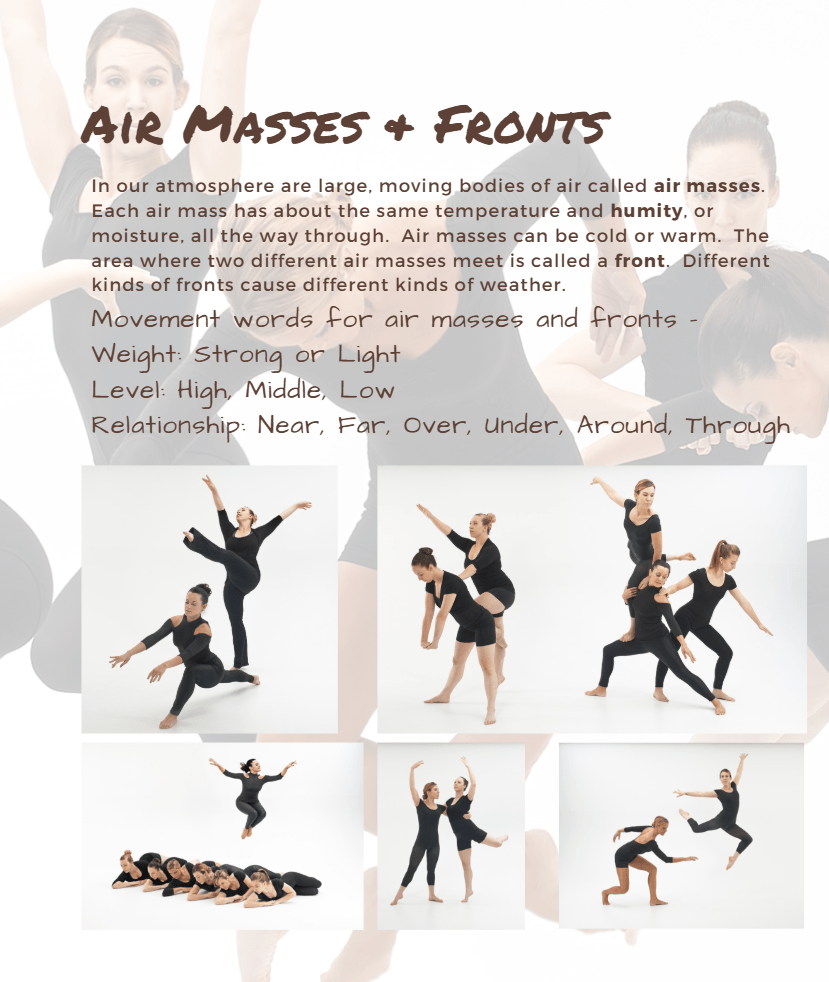
A 30‑second stretch, a rhythm pattern, a quick shape‑making challenge, a walk‑and‑talk… these tiny shifts can reset a classroom faster than a lecture ever could. Movement gives students a way to re-engage without feeling called out. It gives them a chance to succeed with their whole body, not just their pencil.
And here’s the beautiful part:
When students move, they remember. When they move, they regulate. When they move, they believe they can grow.
You don’t have to be a dancer. You don’t need choreography. You just need the willingness to try something small and see what opens up.
Because every time you invite students to move, you’re sending a message louder than any lesson plan:
“I see you. I believe in you. And I’m not giving up on you.”
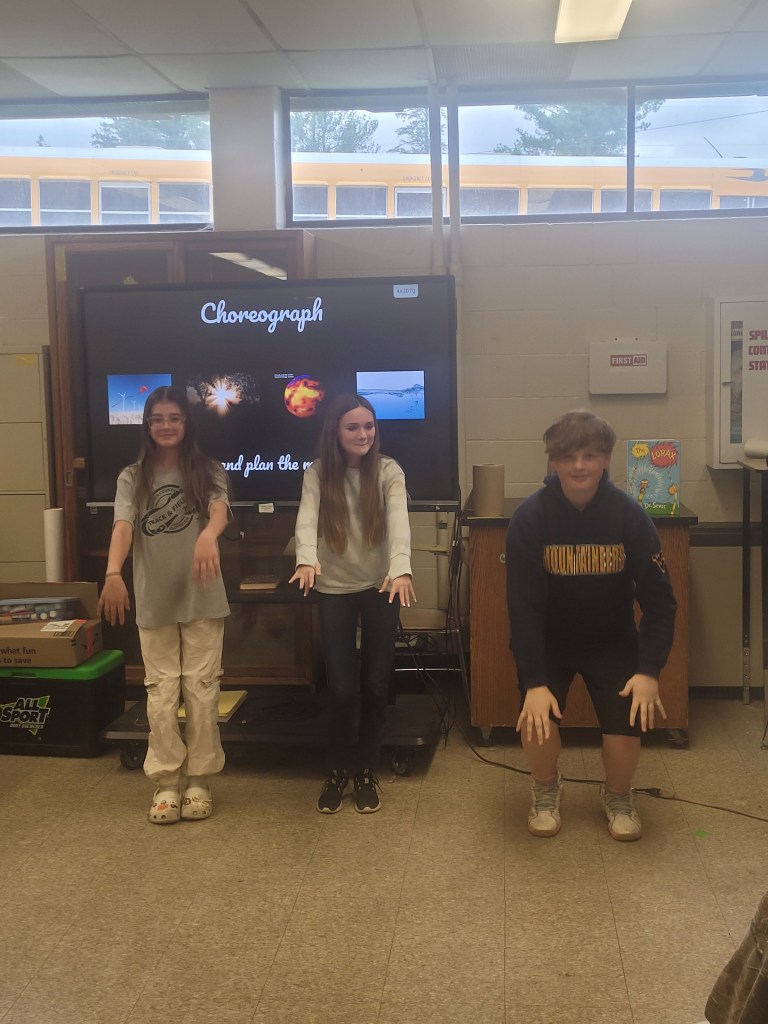
So keep going.
Keep experimenting.
Keep bringing your full, human self into the room.
Your students don’t need perfection — they need your courage, your creativity, and your willingness to try something new right alongside them.
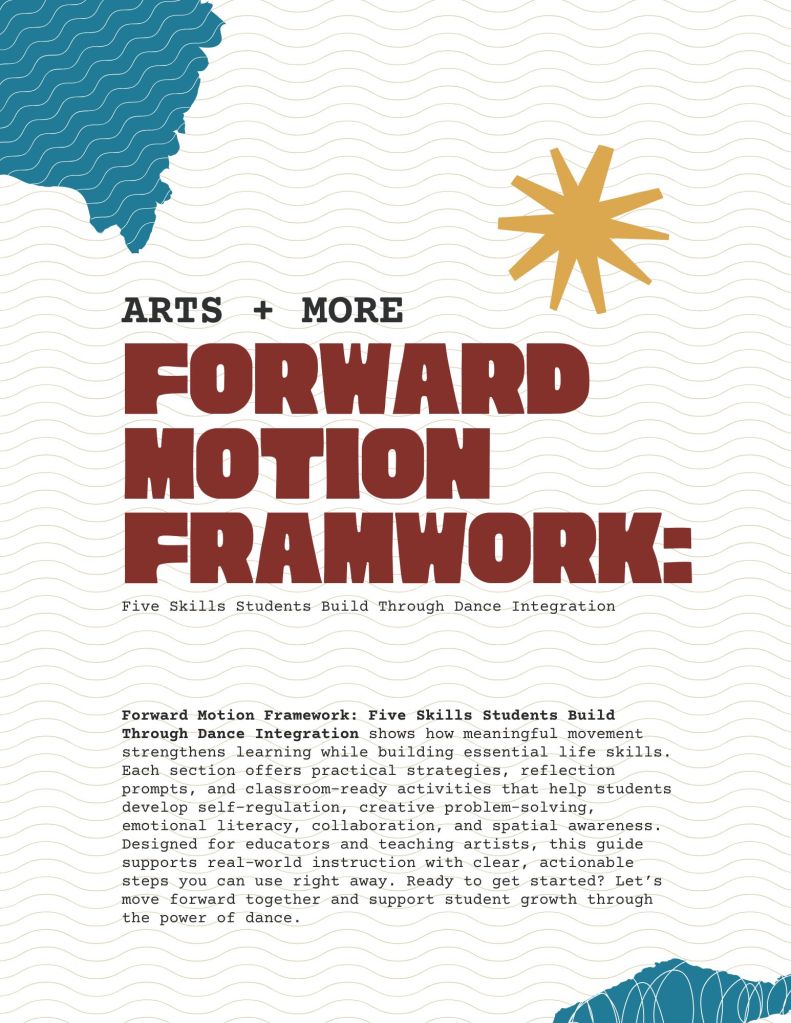
Ready to bring consistency, trust, and impact to your work?
I invite you to download the Forward Motion Framework for practical tips to clarify your goals, identify barriers, and create an action plan for forward movement…
…WHICH MEANS you’ll start showing up with intention for your students and your creative projects today.
If you’ve found value in this work, I would love to hear from you. A short testimonial, Google Review, or comment helps me improve and allows others to see the difference we’re striving to make together.


Leave a comment