
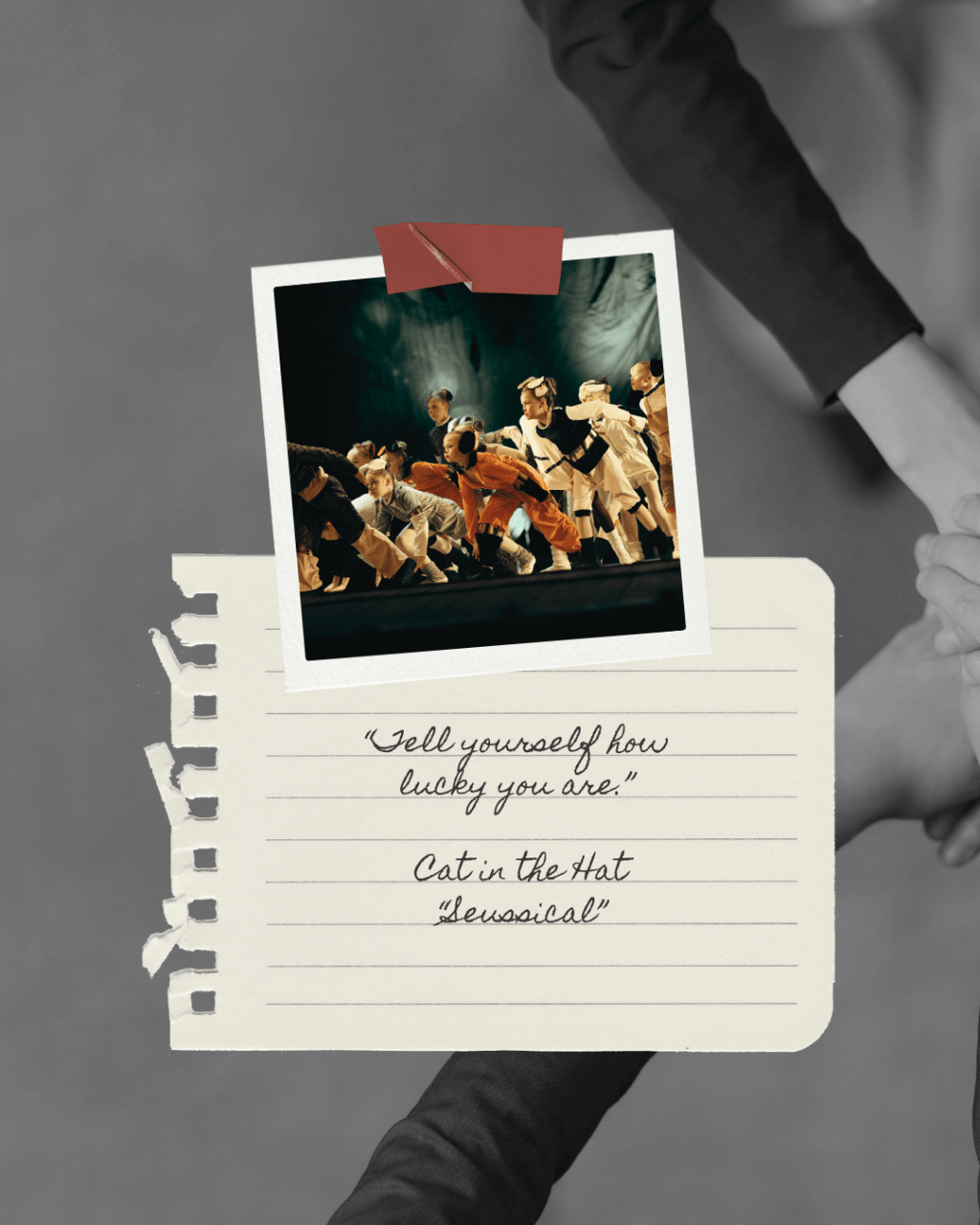
Why Arts Integration Must Move Beyond Enrichment
For years, arts integration has been framed as an enhancement. A bonus. A supplement. A creative break from “real” learning.
That positioning is outdated.
If we are serious about student growth, school leadership, and measurable outcomes, then arts integration must be understood as infrastructure — not decoration.
That is why I developed the Forward Motion Framework.
It is built on a simple but urgent premise:
When we design arts-integrated experiences intentionally, we strengthen both external and internal developmental assets while building five transferable skills that drive academic and leadership success:
- Self-regulation
- Creative problem-solving
- Emotional literacy
- Collaboration
- Spatial awareness
This is not theory in isolation. It is field-tested practice across classrooms, residencies, administrative consulting, and performance environments.
And the results are consistent.
What Schools Actually Need
Schools are not struggling because students lack exposure to content.
They are struggling because students lack the internal systems to manage content.
We see:
- Emotional dysregulation
- Weak collaboration skills
- Low perseverance
- Fragmented identity
- Disengagement
Those are not academic deficits.
They are asset gaps.
The Search Institute’s 40 Developmental Assets identify the external supports and internal strengths young people need to thrive — from caring school climates and high expectations to personal power and planning skills.
The Forward Motion Framework aligns arts integration directly with those assets.
Not indirectly. Not hopefully. Directly.
What Happens in Motion
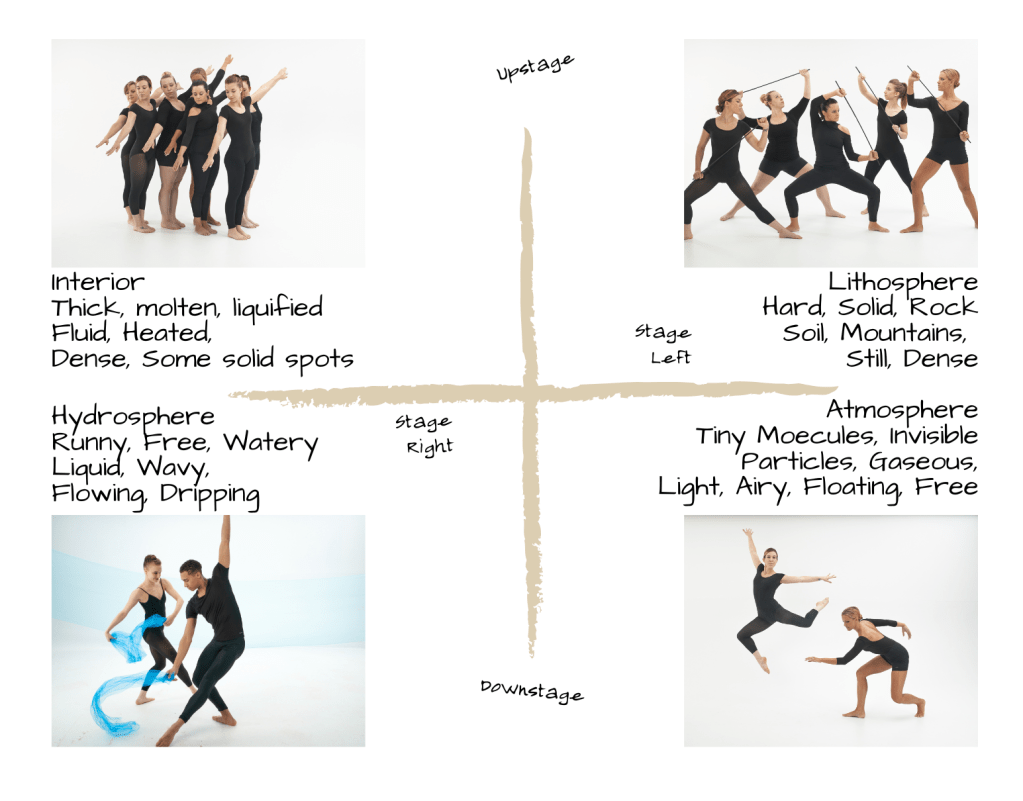
When students choreograph a math pattern, they are not just being creative.
They are practicing spatial reasoning.
When a rehearsal demands stillness before action, students are building self-regulation.
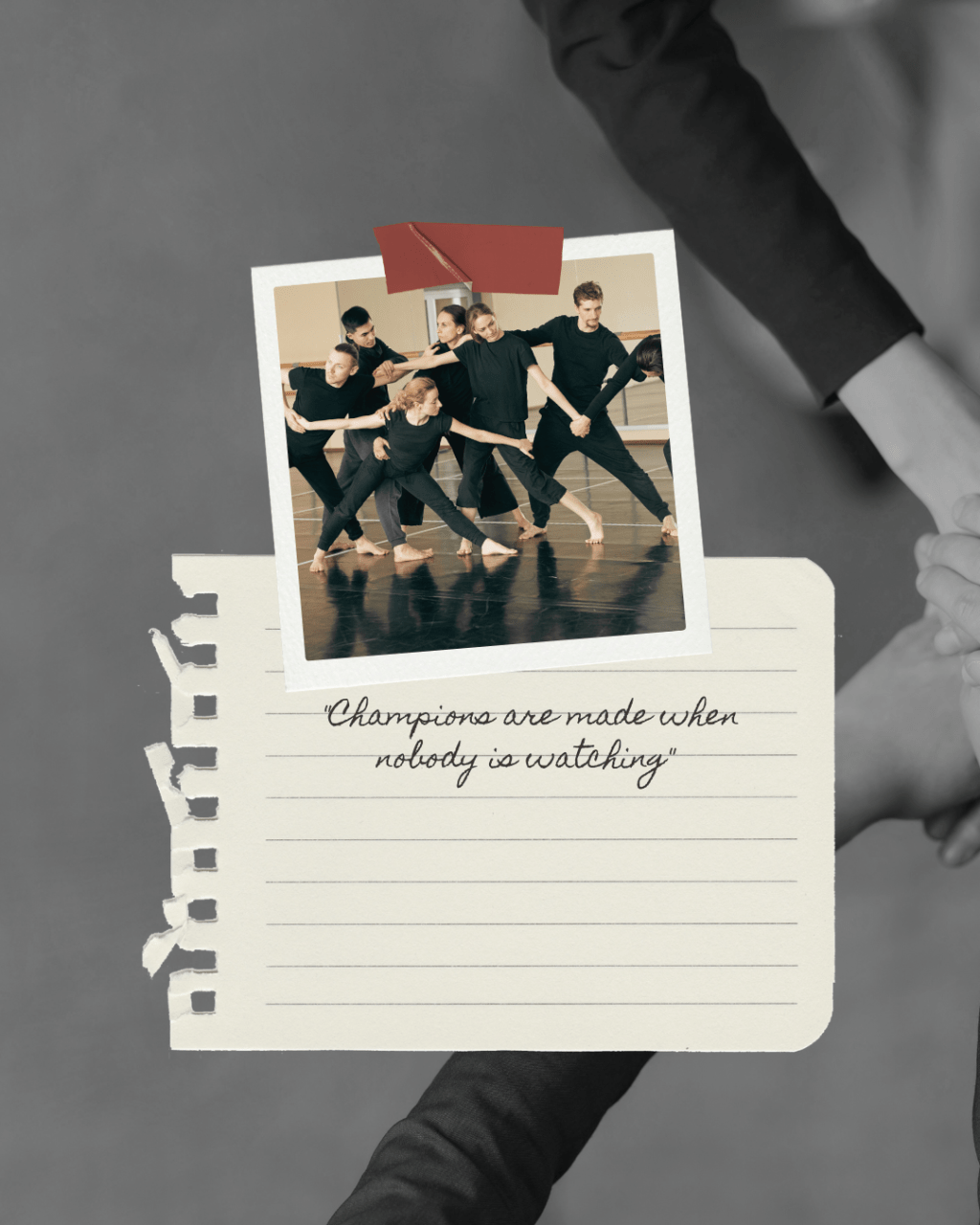
When a group must revise movement to include every voice, collaboration shifts from theory to lived experience.
When performance anxiety is processed and reframed, emotional literacy becomes embodied knowledge.
And here is the critical point:
These skills transfer.
- Self-regulation improves executive functioning and task completion.
- Spatial awareness strengthens geometry and problem-solving.
- Emotional literacy enhances reading comprehension and perspective-taking.
- Collaboration improves discourse and group inquiry.
- Creative problem-solving fuels innovation in science and writing.
The arts are not an add-on.
They are a training ground.
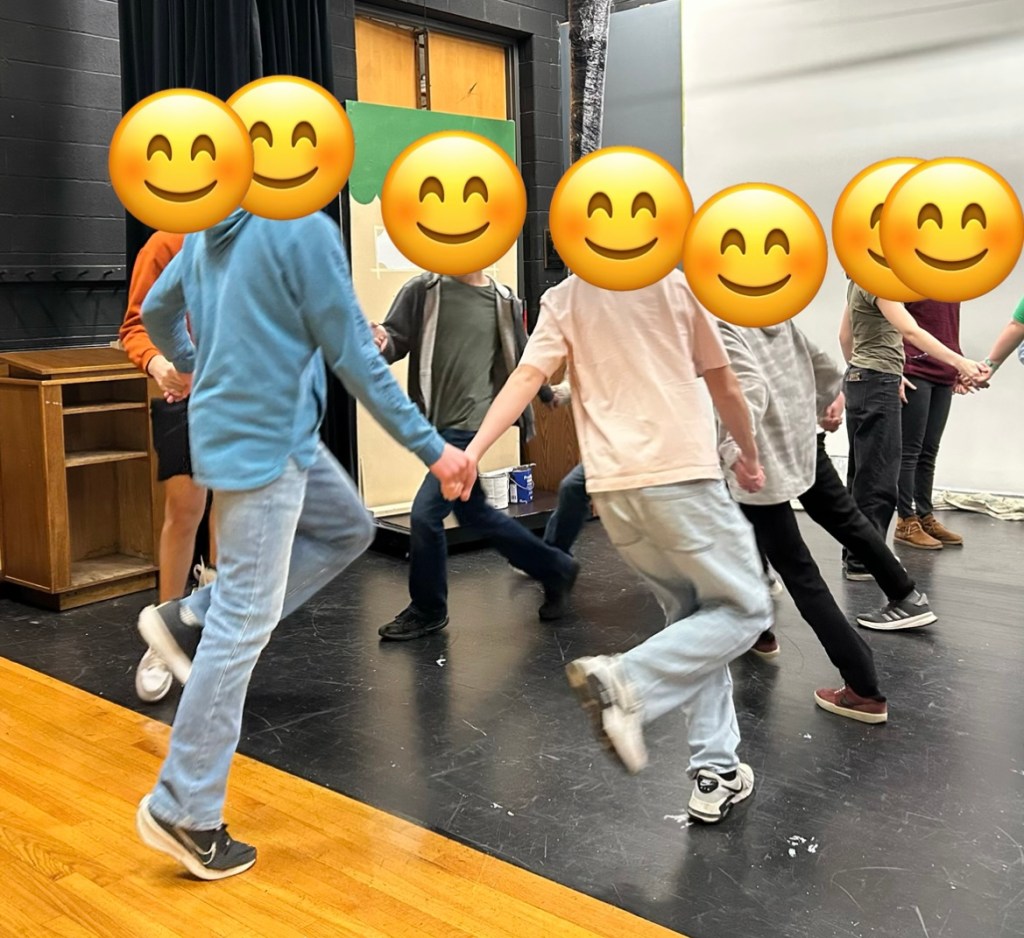
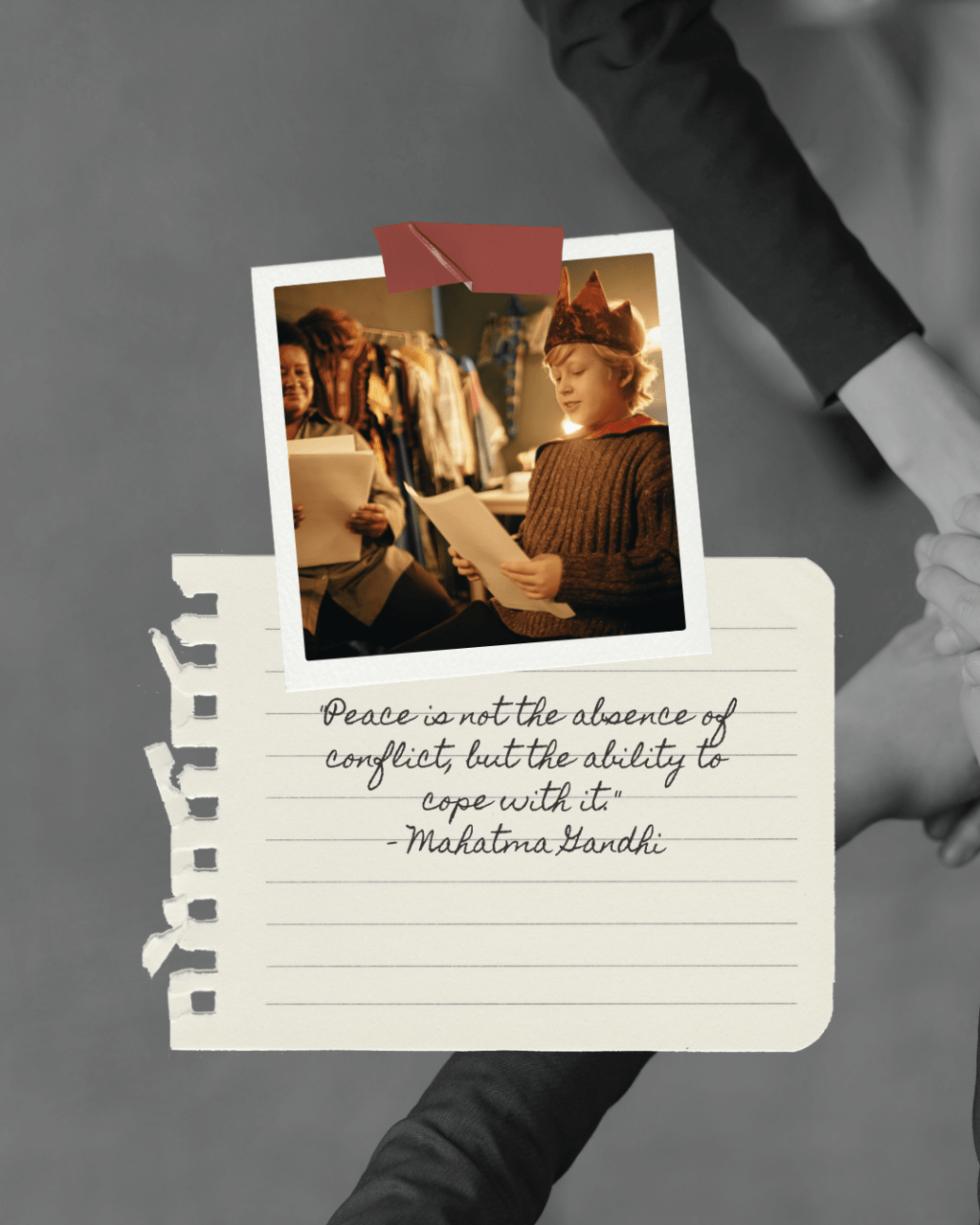
The first week of musical theater rehearsals always feels the same. The freshmen clutch their scripts like life preservers, backs straight, eyes wide. They laugh a little too quickly at the seniors’ jokes. They dance choreography, unsure if they perceived the demonstration accurately. They are trying hard not to be noticed for the wrong reason. Then it happens. The director stops the music. “Hold. That entrance is late. Again.” An upperclassman—confident, seasoned, someone who seems untouchable- is asked to repeat a phrase. And again. And again, slower this time. The freshmen look stricken. If the best in the room can be corrected publicly, what hope do they have?
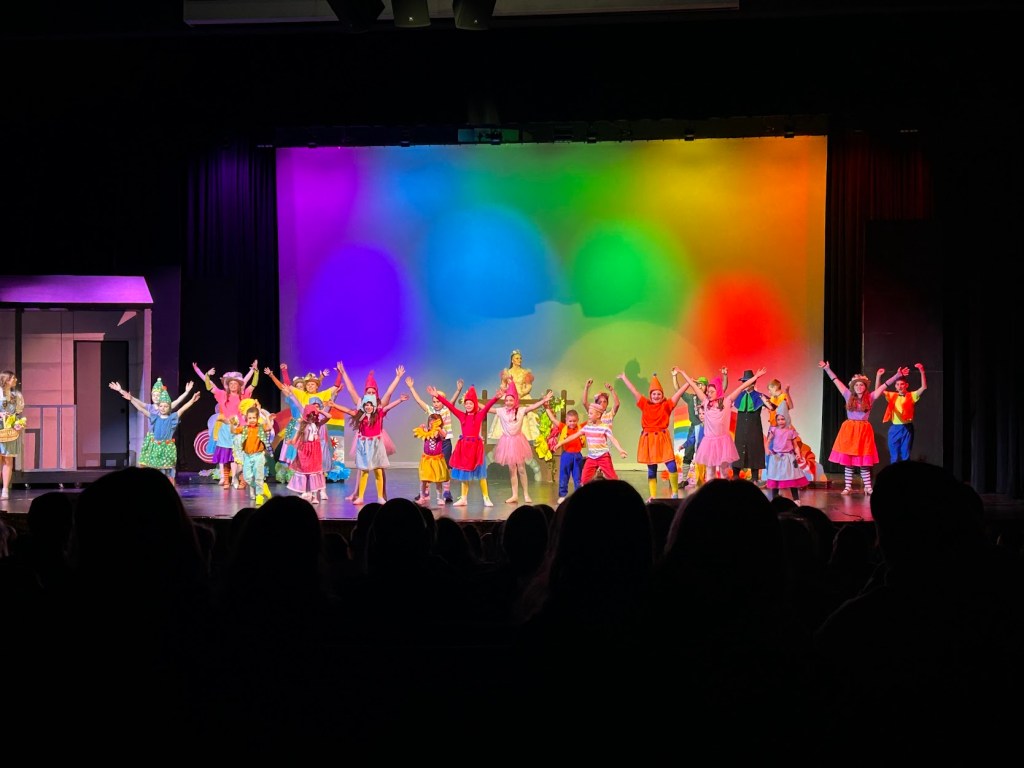
What they do not understand yet is that rehearsal is not a performance. It is a workshop. The seniors are not being embarrassed; they are being refined. They are trusted to handle feedback, to sustain focus, to chase precision without taking it personally. Over time, the freshmen begin to see the pattern. The strongest performers are often stopped the most. Not because they are failing, but because they are capable of more. By the time the show hits tech week, when they are asked to repeat a line or a step, they no longer freeze. They nod. They adjust. They try again.
Leadership Is the Missing Link
The impact of arts integration is shaped, in large part, by leadership.
When administrators trust the process, cultivate psychological safety, and communicate clear expectations, developmental assets have room to grow. When teachers design experiences with intention and thoughtful scaffolding, transferable skills become easier to see — and easier to measure. And when leaders recognize that structure supports creativity rather than limits it, students are able to thrive within clear and consistent boundaries.
Arts integration is certainly an instructional strategy.
It is also a leadership approach.
The Arts + More Standard
At Arts + More, our work is guided by four consistent anchors:
Asset Development + Leadership Insight + Forward Motion Skill + Academic Transfer
Each story we share is designed to clarify:
- Which asset was strengthened?
- Which transferable skill was developed?
- What leadership principle became visible?
- How did the learning transfer academically?
Inspiration matters. But it is not enough on its own.
Schools need coherent systems.
They need shared language.
They need frameworks that help educators articulate value, sustain funding, and demonstrate measurable outcomes.
Forward motion is not simply a metaphor.
It is a design principle — one that invites us to build learning environments where growth is intentional, visible, and transferable.
When we do that well, students do more than perform successfully.
They develop the confidence and capacity to lead.
That is the direction forward for arts integration.
And it is the work we begin here.
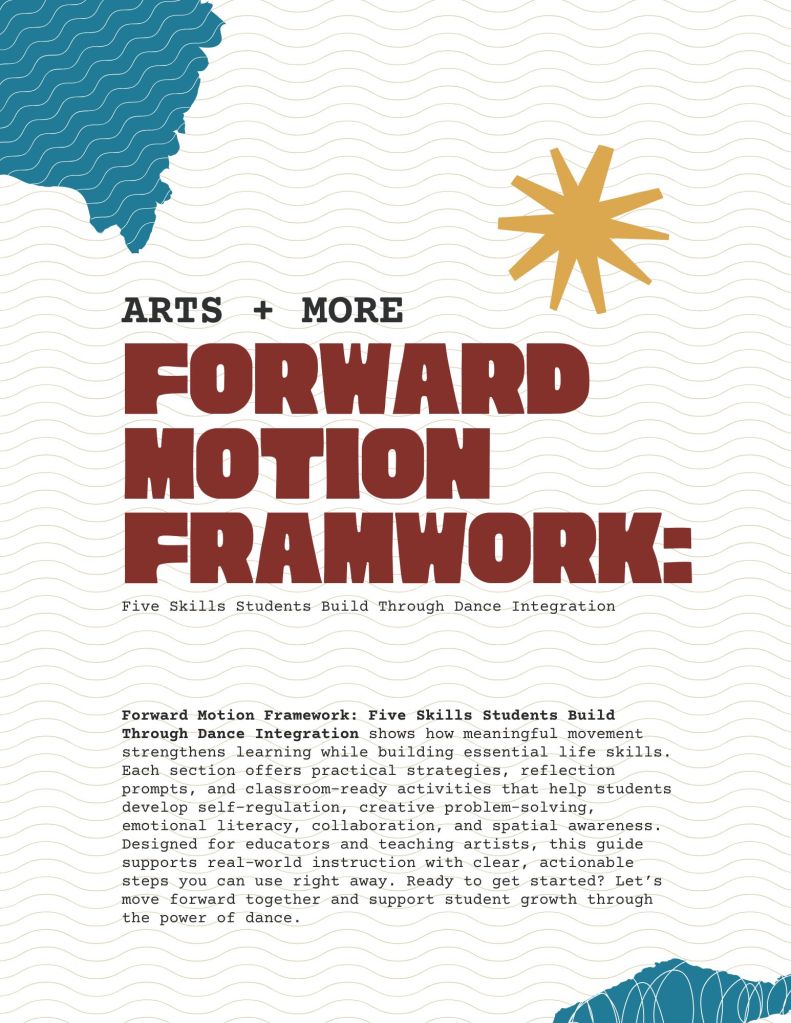
Ready to bring consistency, trust, and impact to your work?
I invite you to download the Forward Motion Framework for practical tips to clarify your goals, identify barriers, and create an action plan for forward movement…
…WHICH MEANS you’ll start showing up with intention for your students and your creative projects today.
If you’ve found value in this work, I would love to hear from you. A short testimonial, Google Review, or comment helps me improve and allows others to see the difference we’re striving to make together.


Leave a comment