
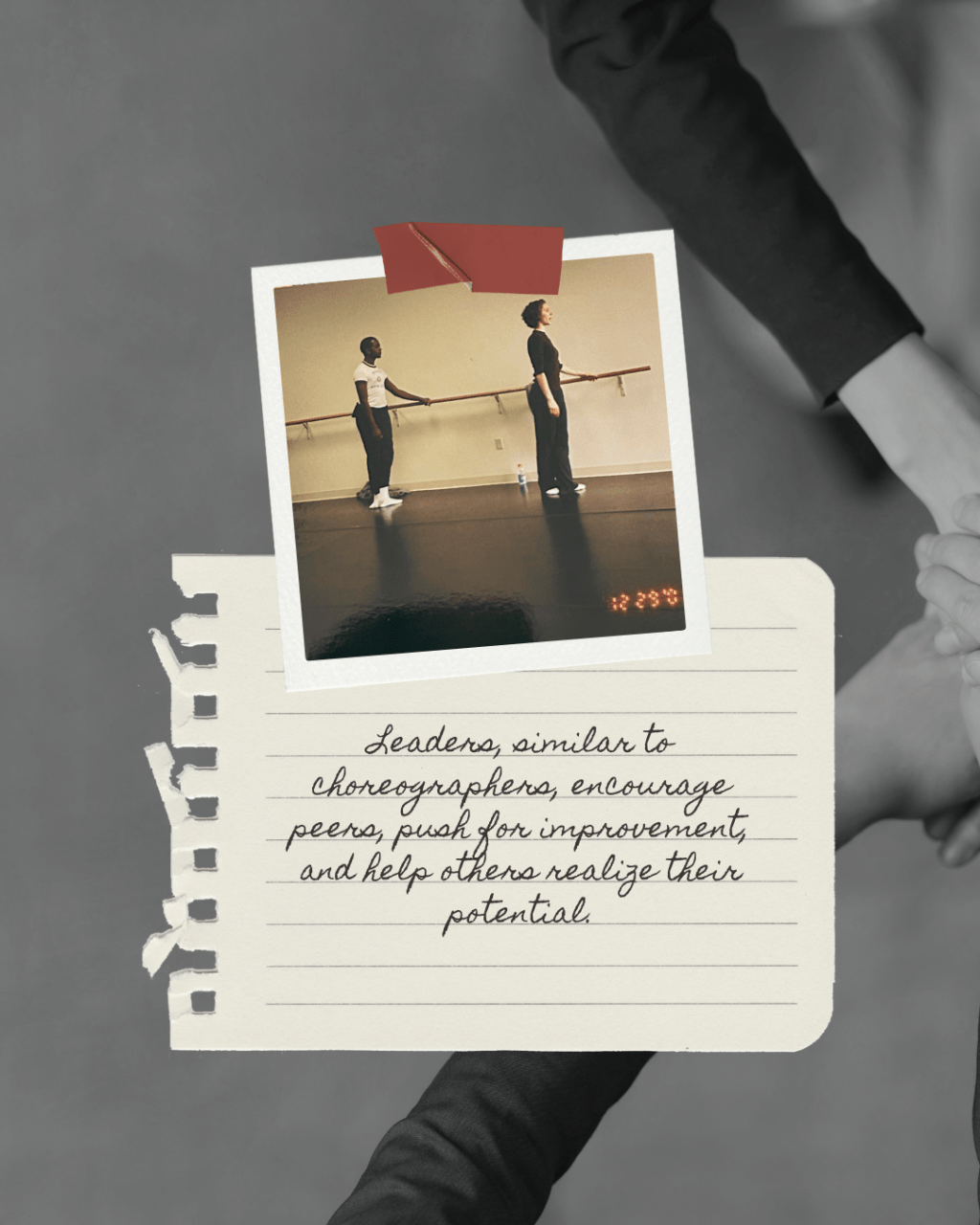
Leadership often reveals itself most clearly in hindsight. As many dancers move into roles as educators, administrators, and culture-builders, we begin to recognize that the work which shaped us artistically also shaped how we lead. Revisiting past repertoire, like Tangle with the Ghost, is not only about nostalgia; it’s about examining a formative moment when collaboration, trust, and shared ownership quietly laid the groundwork for leadership practices that still matter today.
Some seasons in an artist’s life carry a particular kind of light. Tangle with the Ghost was one of those seasons for the Living Fountain Dance Company—marked by joy, creative play, and a deep sense of togetherness.
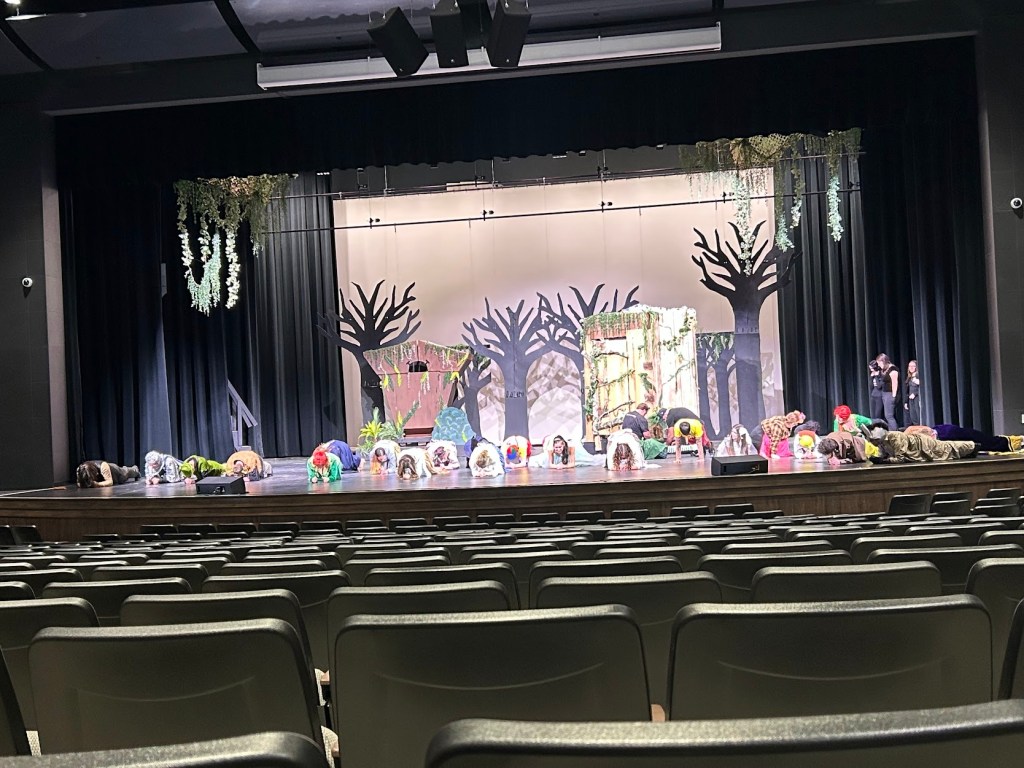
Choreographed in 2002 to music from Tangle with the Ghost (1999), the second solo album by Canadian singer-songwriter Jory Nash, this work emerged during a period of growth and transition for the company. At the time, Living Fountain was actively traveling among churches and communities, offering satellite classes across multiple regions. The outreach was meaningful, but it also created a longing for a more centralized home base. In 2000, we made the decision to gather our work into a single dance studio in Canton, Ohio—a move that brought new energy, consistency, and artistic momentum.
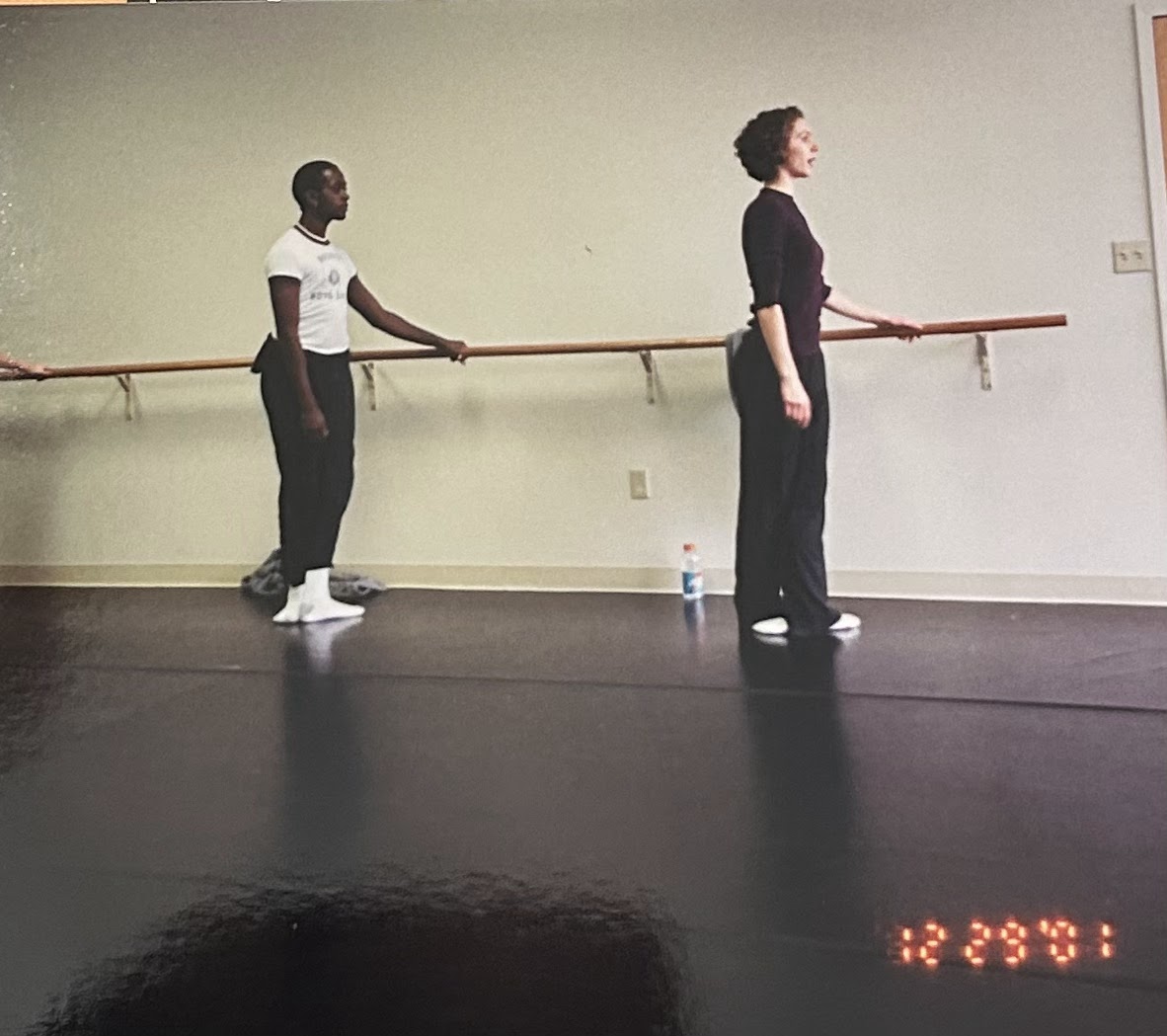
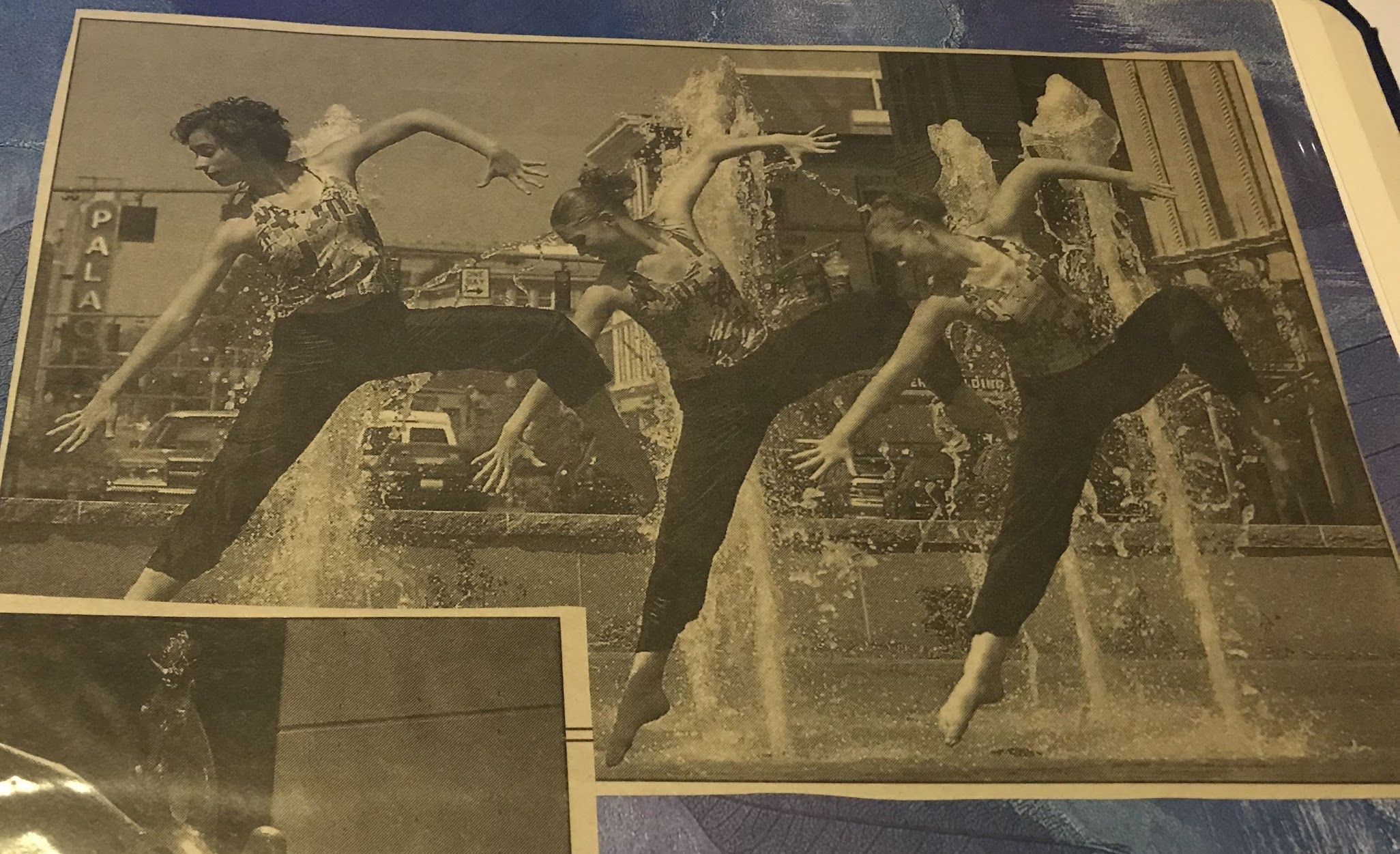
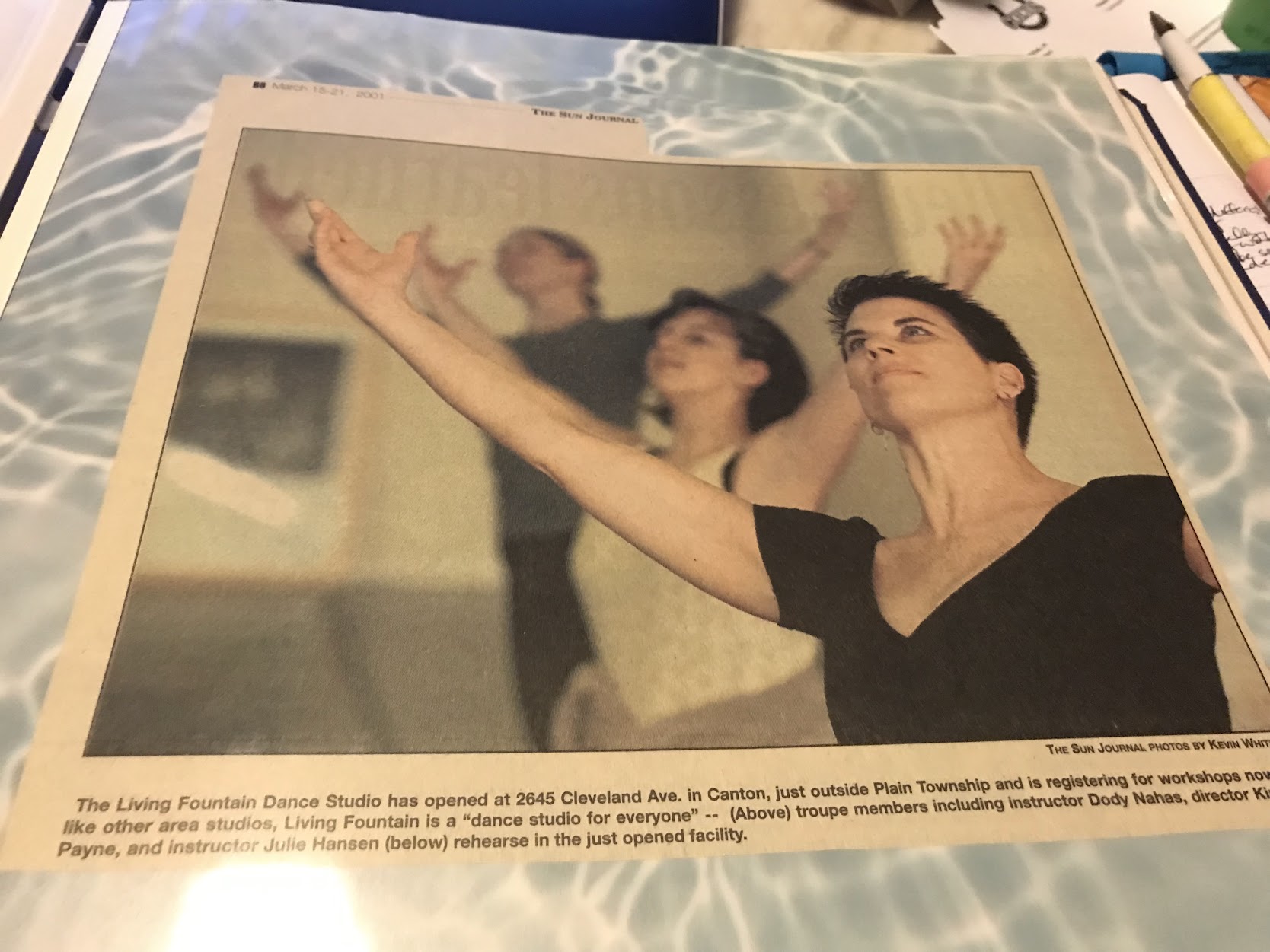
This centralization coincided with an exciting influx of dancers. Graduates from the University of Akron and Kent State University’s dance programs joined rehearsals and performances, bringing with them strong technical foundations, curiosity, and a hunger for collaborative process. The studio quickly became a vibrant meeting place of ideas, experiences, and movement voices.
Working with original music was a particular delight. Jory Nash’s songwriting was playful, introspective, rhythmically rich, and emotionally generous; it invited the dancers to listen deeply and respond honestly. Saturday afternoon rehearsals often felt more like creative laboratories than traditional technique-driven sessions. Dancers played with lyrics, phrasing, and musical textures, discovering gesture, timing, and intention through improvisation. Laughter was common. So was surprising each other with cool and memorable choreography.
This approach was rooted in what we called Dancing from the Inside-Out, a process that was still relatively uncommon at the time. Rather than handing dancers fixed choreography from the outset, the work invited them into collaboration. Improvisation became a method of research. Dancers were encouraged to bring their instincts, stories, and interpretations into the room, allowing choreography to emerge organically from shared exploration. The result was movement that felt lived-in, human, and musically entwined.
That collaborative ethos became a defining characteristic of the Living Fountain Dance Company. It shifted the role of the dancer from interpreter to co-creator and fostered a strong sense of ownership and trust within the ensemble. Tangle with the Ghost holds a special place in our repertoire because it captures that evolution so clearly.
On a personal level, this work arrived during a tender and transformative moment. I had just welcomed my first child, and the rehearsal process became a life-giving outlet—a space to remain artistically alive, connected, and joyful while navigating new rhythms of motherhood. The warmth and flexibility of the company during that time reflected the very values we were exploring through the work itself.
Looking back, Tangle with the Ghost stands as more than a single piece of choreography. It documents a moment when community, music, movement, and life aligned with unusual ease. It reminds us that dance can be rigorous and playful, disciplined and generous—and that sometimes, the most meaningful work grows out of happiness, trust, and the freedom to explore together.
We’re grateful to preserve this chapter in our archive and to share it as part of the ongoing story of the Living Fountain Dance Company.
For those now leading classrooms, programs, departments, or institutions, Tangle with the Ghost offers a quiet reminder: leadership doesn’t always announce itself through titles or strategies. Sometimes it emerges through how rehearsal rooms are structured, how voices are invited into the process, and how life transitions are held with care.
The practices we experimented with then—collaboration, improvisation, shared authorship, and human-centered pacing—are the same practices many of us now advocate for in educational and administrative spaces. Looking back is not about staying there; it’s about recognizing the origins of our leadership values and carrying them forward with clarity and intention.
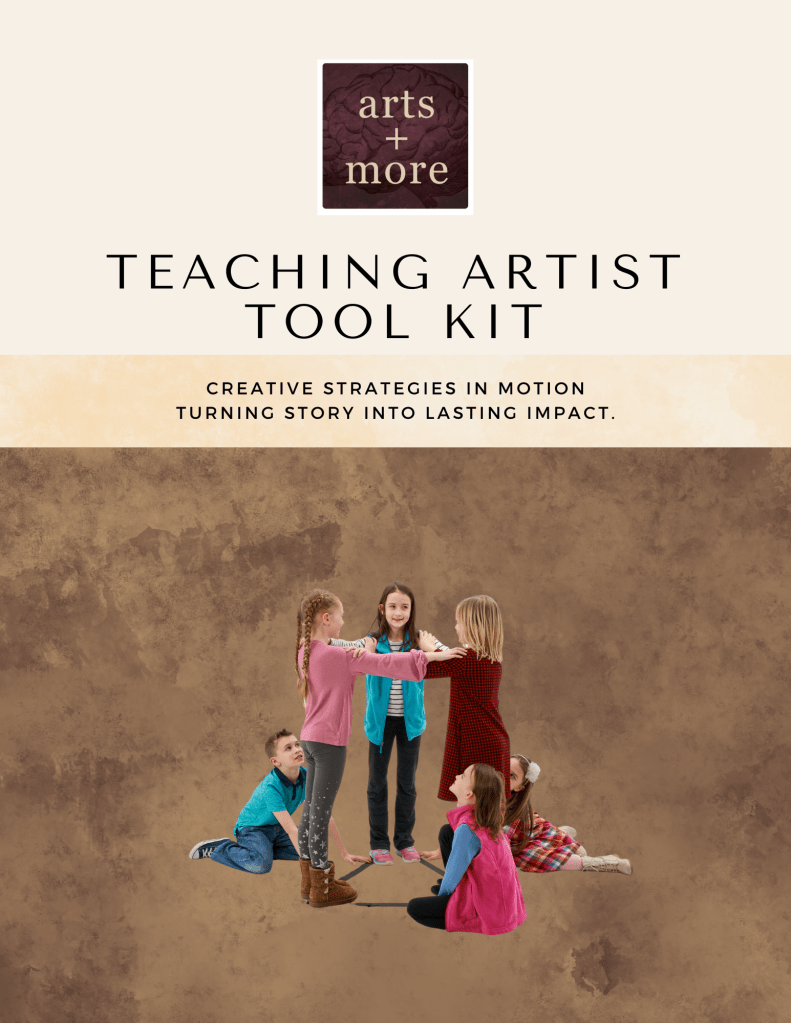
Ready to bring consistency, trust, and impact to your work?
I invite you to download the Teaching Artist Toolkit for practical tips to clarify your goals, identify barriers, and create an action plan for forward movement…
…WHICH MEANS you’ll start showing up with intention for your students and your creative projects today.
If you’ve found value in this work, I would love to hear from you. A short testimonial, Google Review, or comment helps me improve and allows others to see the difference we’re striving to make together.

Leave a comment