
In today’s increasingly interconnected and inclusive world, understanding learning differences and developmental disorders is not just a moral imperative—it’s a cultural and educational necessity. Learning differences and developmental disorders encompass a broad range of neurological, cognitive, and psychological conditions that affect how individuals learn, communicate, and engage with the world around them. These may include—but are not limited to—dyslexia, ADHD, autism spectrum disorder, and intellectual or sensory disabilities.
At the core of this conversation is the definition of disability: a physical or mental condition that limits a person’s movements, senses, or activities. But this definition, while accurate, is far from comprehensive. It doesn’t capture the richness, resilience, or potential of those who navigate the world differently. Nor does it account for the environment’s role in either supporting or stifling those abilities.
The Power of Understanding and Support
When we choose to understand and support individuals with diverse learning and developmental needs, the benefits ripple far beyond the individual. For one, inclusive practices tap into enhanced problem-solving, creativity, and adaptive thinking—skills our world urgently needs. Diverse learners often approach tasks in innovative ways that challenge conventional thinking and lead to novel solutions.

Supporting diverse learners also enriches classroom dynamics and cultivates empathy in peers, creating stronger, more connected communities. On a broader scale, these efforts contribute to cultural enrichment, reinforcing the idea that there is no single “right” way to learn, think, or express oneself.
From a societal standpoint, there are legal and ethical obligations to accommodate and include individuals with disabilities, enshrined in laws like the Americans with Disabilities Act (ADA) and the Individuals with Disabilities Education Act (IDEA). But beyond compliance, the psychological benefits of being seen, valued, and supported cannot be overstated. When individuals feel understood and included, they are more likely to flourish emotionally, socially, and intellectually.
Social Harmony Through Inclusion
Inclusivity fosters social cohesion and harmony. When we create spaces where everyone can contribute, learn, and thrive, we build a more equitable and unified society. This is not just good for individuals with learning differences—it’s good for everyone. Inclusive environments encourage patience, cooperation, and respect for difference. They teach us that value doesn’t lie in conformity but in contribution.
The Role of Educators: Moving from Awareness to Action
One of the most powerful ways to bring about meaningful change is through intentional and informed teaching practice. The Math & Science Movers Inclusive Arts Integration Course is designed to do exactly that—equip educators, artists, and facilitators with the tools they need to create adaptive, inclusive learning environments.
This course offers practical strategies for accommodations and modifications across a wide variety of situations and settings. Whether you’re leading a classroom, a community workshop, or a creative project, the course helps ensure that every participant—regardless of ability—can engage meaningfully.
Participants learn to differentiate instruction, design accessible activities, and implement arts-based strategies that align with both scientific and mathematical concepts. The goal is to cultivate inclusive, interdisciplinary spaces where all learners are seen as capable, creative contributors.
Clarity in Math & Science through Movement
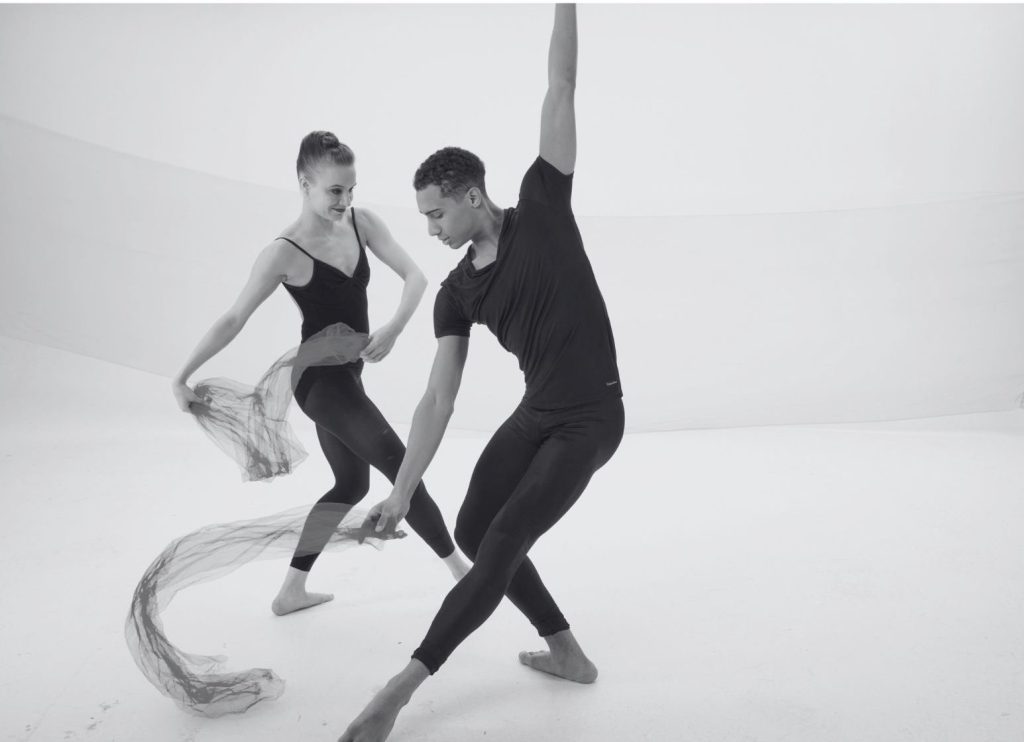
Clarity comes when students are immersed in the concept—not just hearing about it, but moving through it. Math and science naturally lend themselves to movement, and when we connect learning to the body, ideas become both clear and memorable.
A few tips for making things clear:
- Define: Use precise math terms in action. For example:
“Mikey, please stand on this vertex.”
“Felicia, will you take a grapevine parallel to Katerina?”
“Sebastian, from a bird’s eye view, where will your horizontal line intersect with Mikey’s vertical line?”
This practice builds fluency in vocabulary while reinforcing spatial concepts. - Measure: Invite students to use a giant protractor to measure angles. Add ribbons or string to reveal visual lines within dance combinations.
- Create: Encourage students to choreograph short dances that highlight acute, right, obtuse, and reflex angles. Stick figure drawings can help them design and refine their work.
- Observe: Borrow from scientific methods. Ask: What part of the body is moving? What space is being used? How is the energy or speed affecting the movement? This helps normalize observation and analysis in movement.
When we move past seeing accessibility only as logistics and start viewing it as mindset, pedagogy, and intentional design, classrooms become places where everyone belongs. Safe, inclusive spaces build trust, encourage exploration, and allow authentic learning—where math and science concepts shine through movement.
Final Thoughts
Creating inclusive environments for individuals with learning differences and developmental disorders is not about lowering standards—it’s about removing barriers. It’s about recognizing that diversity in how we learn and grow is a strength, not a setback.
We have a responsibility—not only legal and ethical but profoundly human—to understand, support, and uplift every learner. In doing so, we don’t just create better classrooms. We create a better world.

Leave a comment