
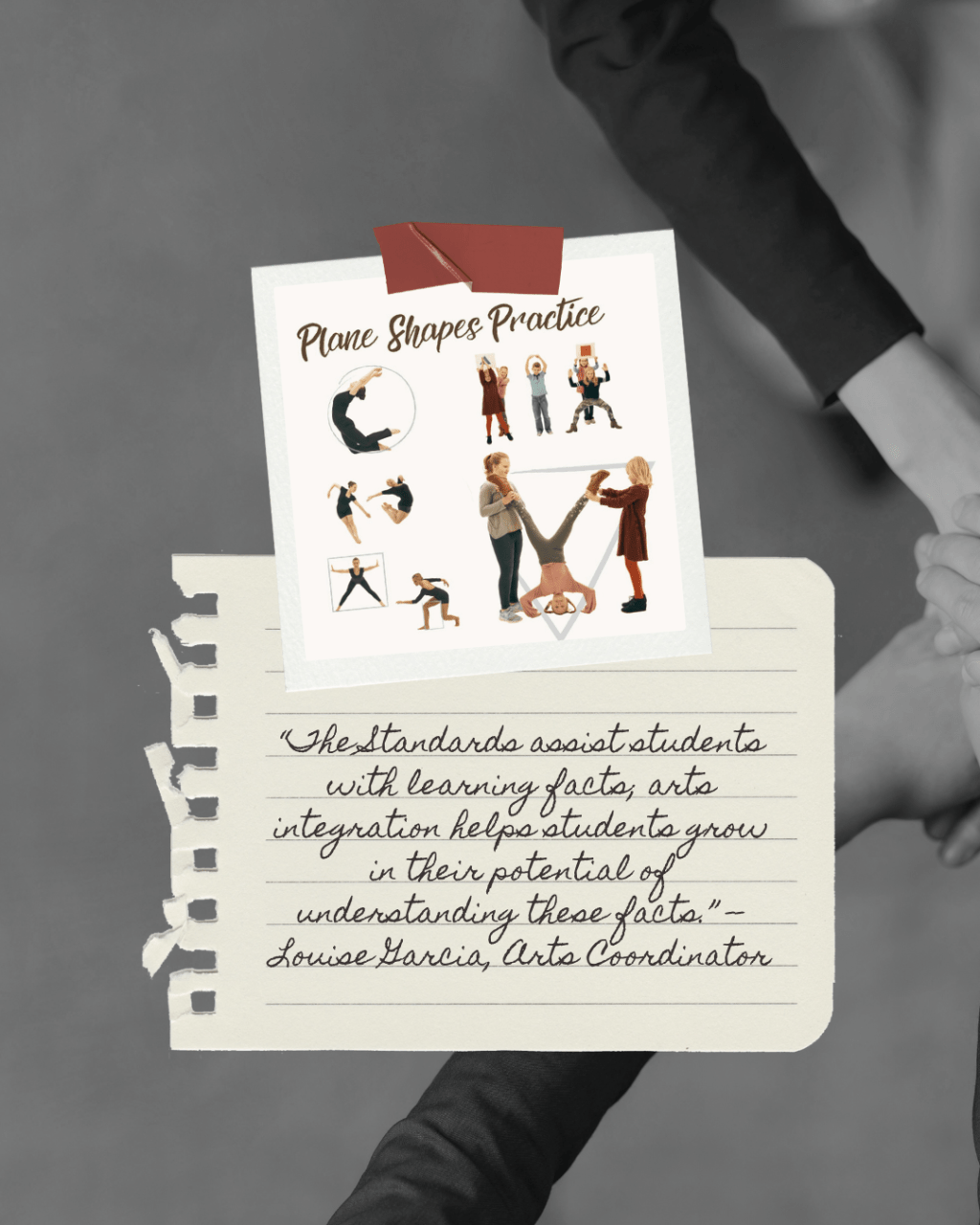
Let’s talk about what it really means to bring the arts into learning. Not all arts-based lessons are created equal. Over time, educators have developed a few different ways to connect creativity with academics, and knowing the difference helps us design better, more meaningful learning experiences for kids.

Arts Enhancement is a great starting point. In this approach, the arts are used to support academic learning, but students aren’t necessarily learning about the art form itself. Think of it as adding a splash of color to help another subject shine. Maybe students sing a song to memorize the planets or draw a picture to go with a story they’ve written. It’s engaging and fun—but it doesn’t include any intentional goals tied to the art itself. The art is a tool, not the target.
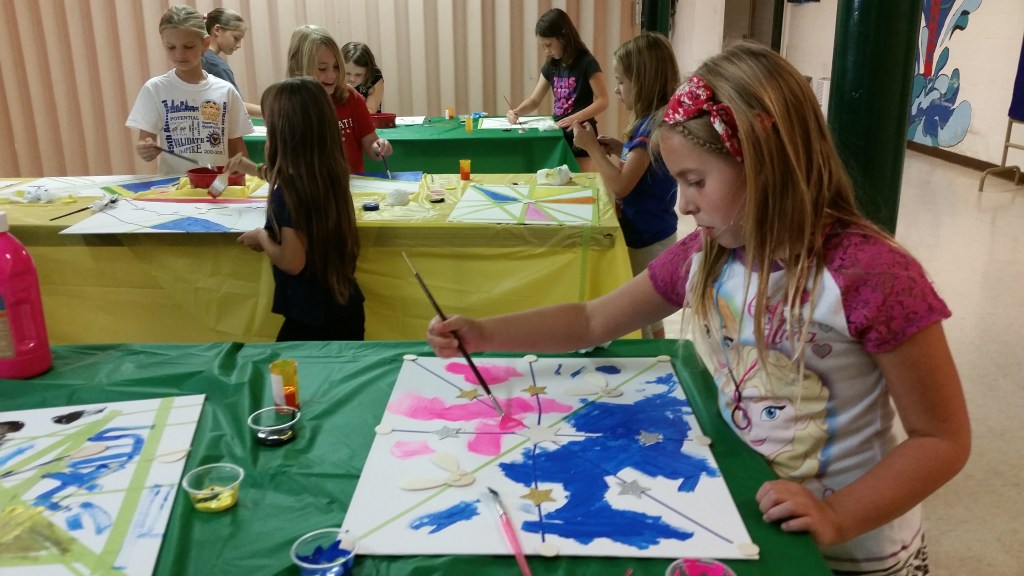
Expressive Arts takes us in a slightly different direction. This is where the creative process becomes a path to healing, reflection, and personal growth. Whether it’s through movement, music, poetry, or painting, Expressive Arts isn’t about perfect technique or polished performances. It’s about the journey. In therapeutic or personal development settings, this process gives students (and adults!) the space to explore feelings, tell their stories, and find peace.
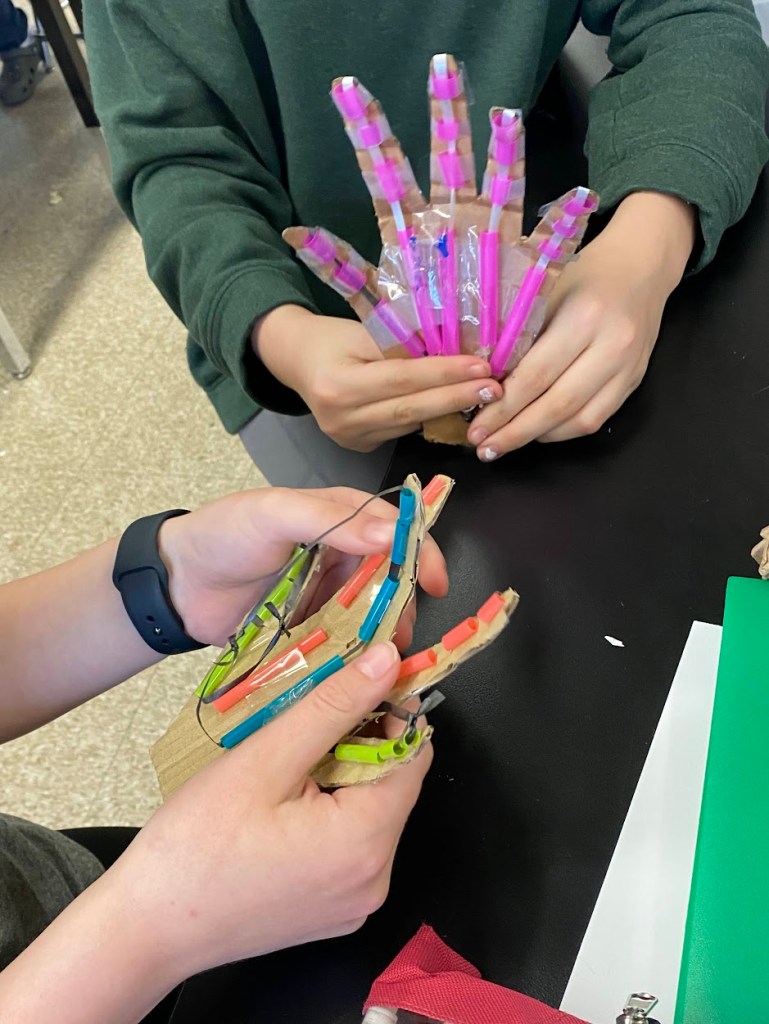
Then there’s STEAM Education—that vibrant intersection where Science, Technology, Engineering, the Arts, and Math come together. In STEAM, creativity isn’t a bonus—it’s a building block. Project-based lessons help students investigate the real-world relationships between these subjects. They might design bridges, compose rhythms using fractions, or explore energy by building moving sculptures. It’s hands-on, minds-on learning that prepares kids for the challenges of the future by connecting logic and imagination.
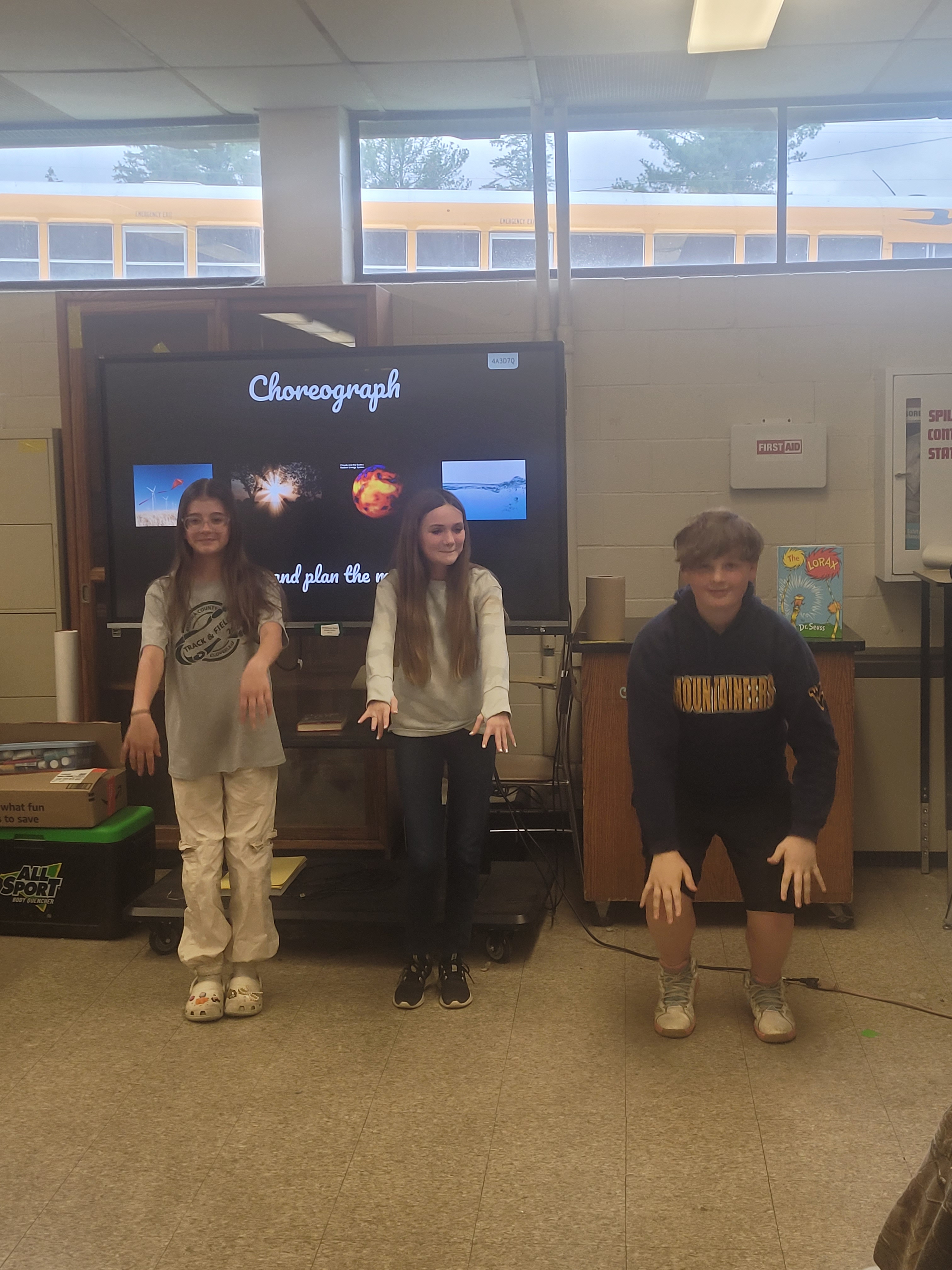
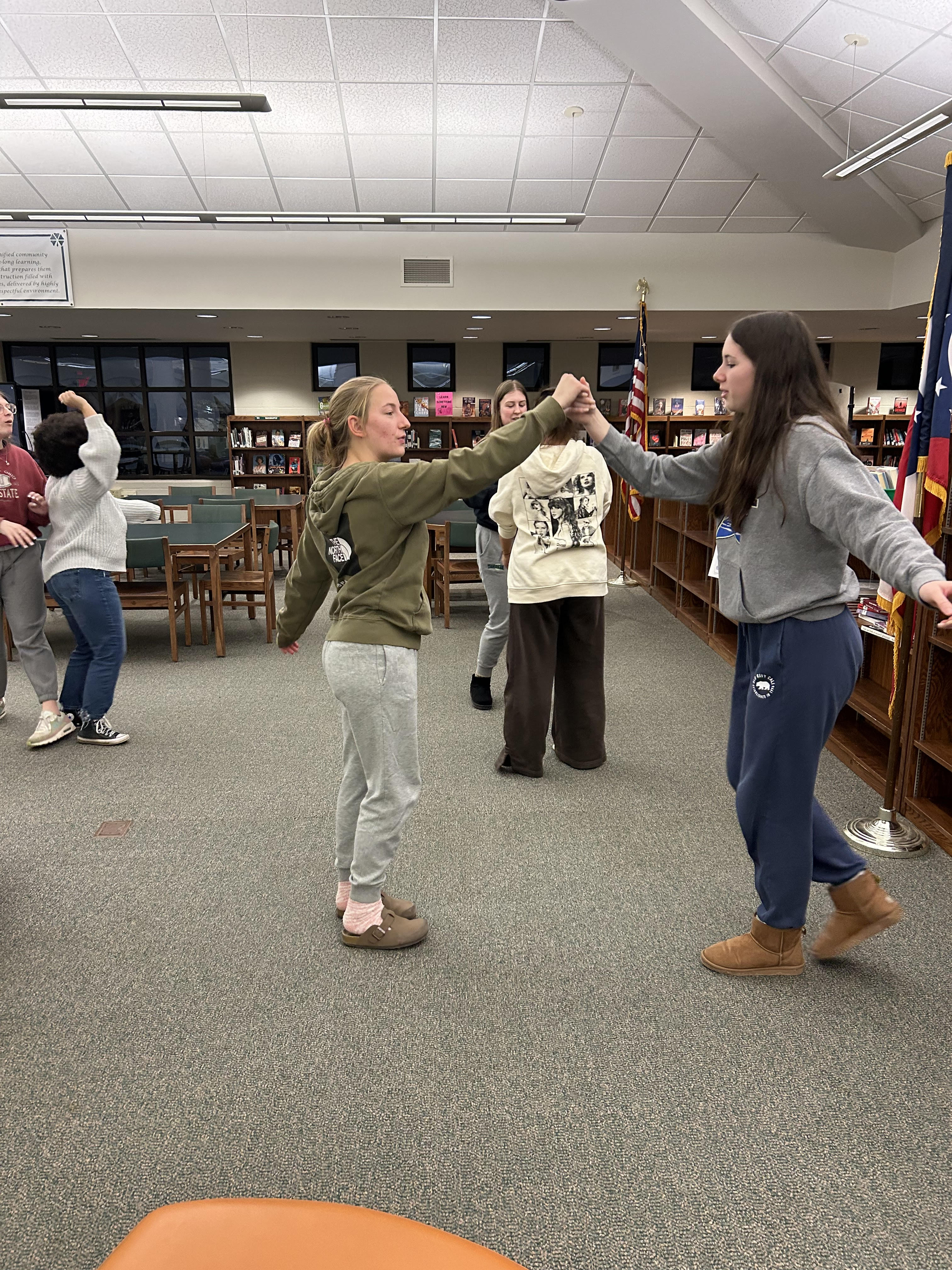
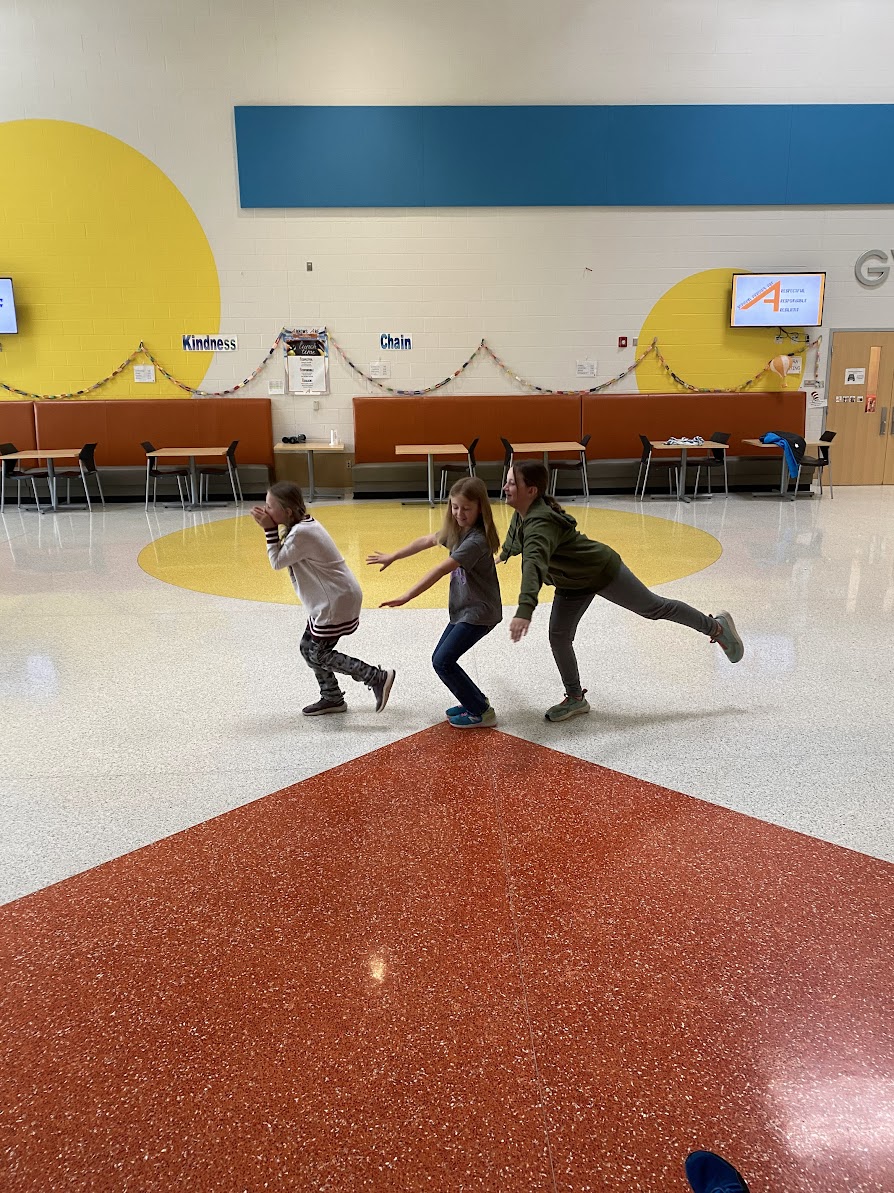
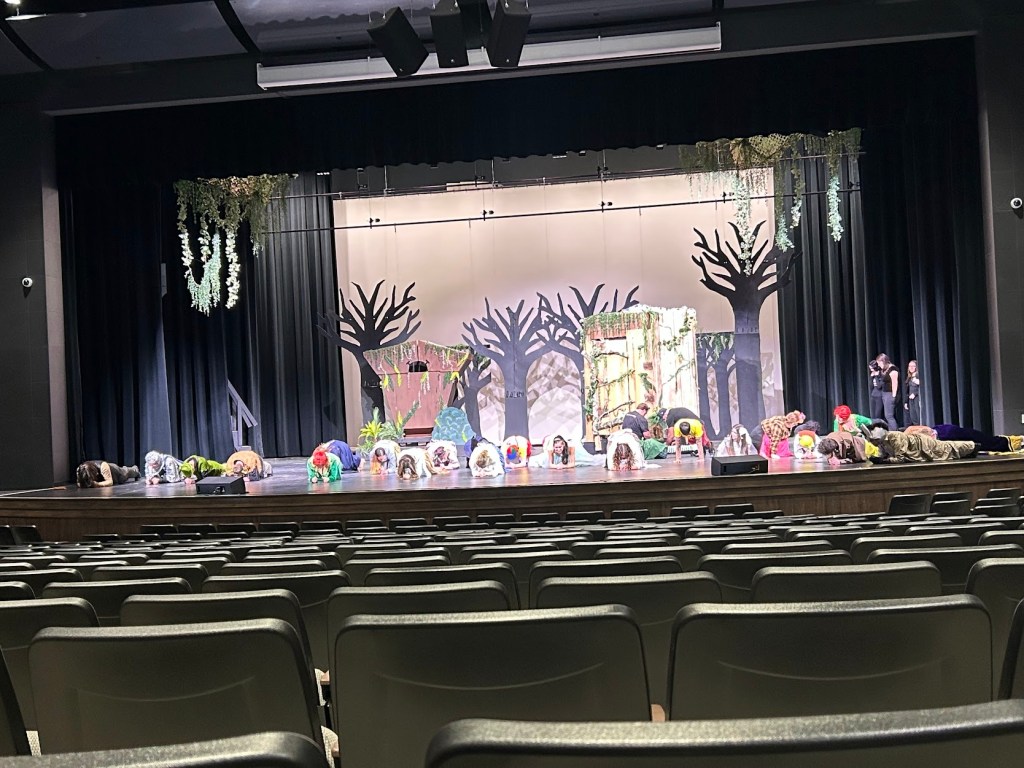
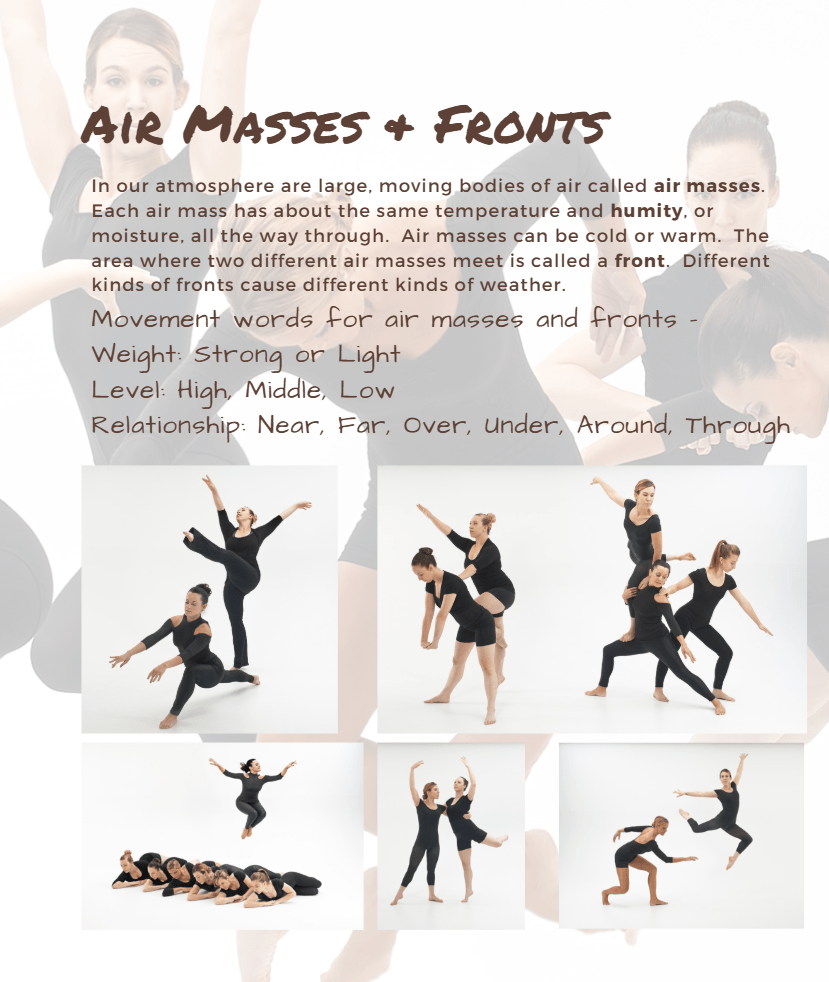
Arts Integration, on the other hand, is the sweet spot. According to the Kennedy Center (and many of us who’ve felt the power of this approach), Arts Integration means students are learning both the art form and the academic subject—at the same time. The two are woven together in such a way that understanding one supports understanding the other. Whether it’s using dance to explore fractions, or drama to retell historical events, students are not just having fun—they’re engaging in a creative process that deepens their learning in multiple areas. They’re becoming thinkers, makers, and problem-solvers all at once.
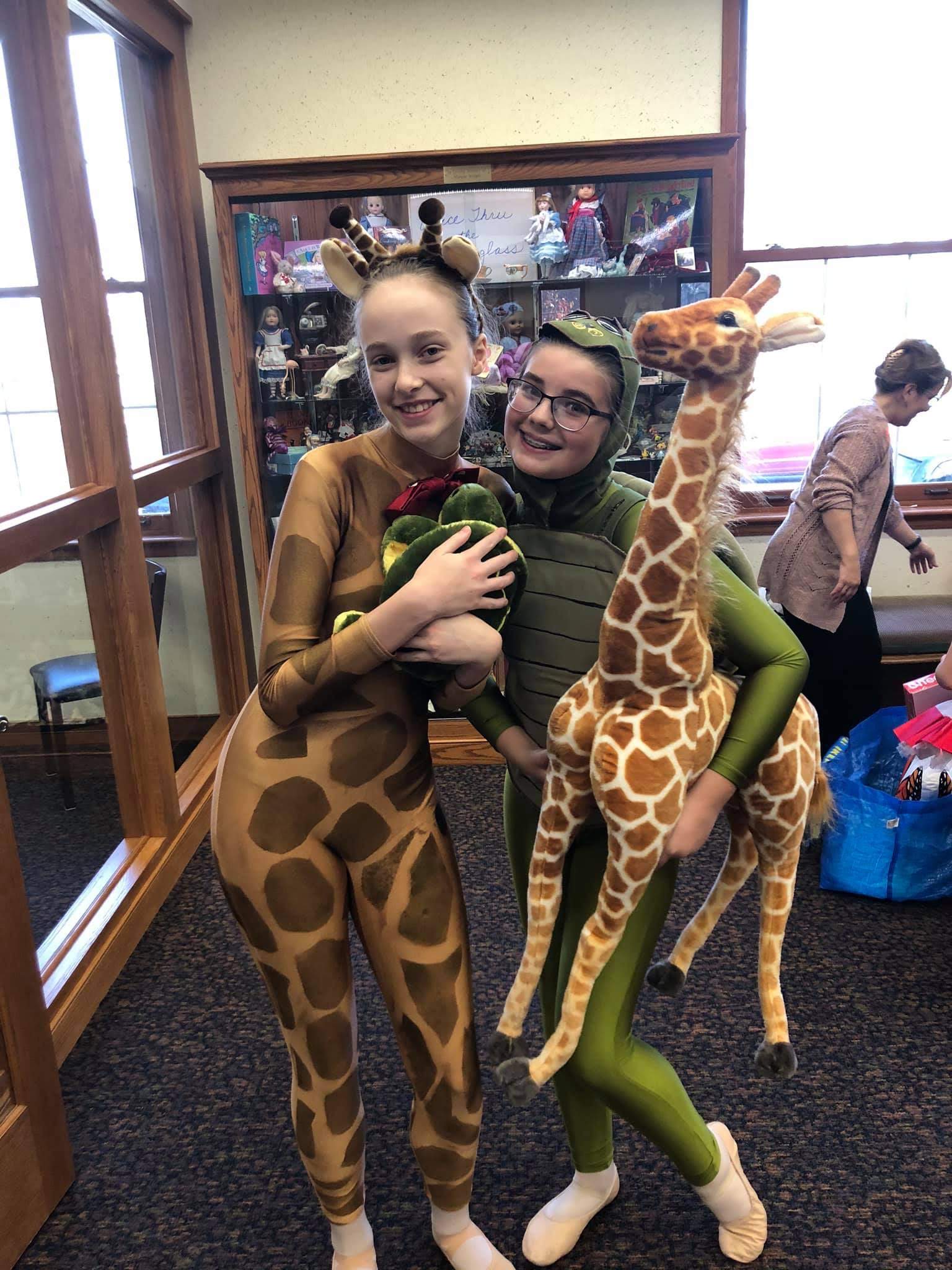
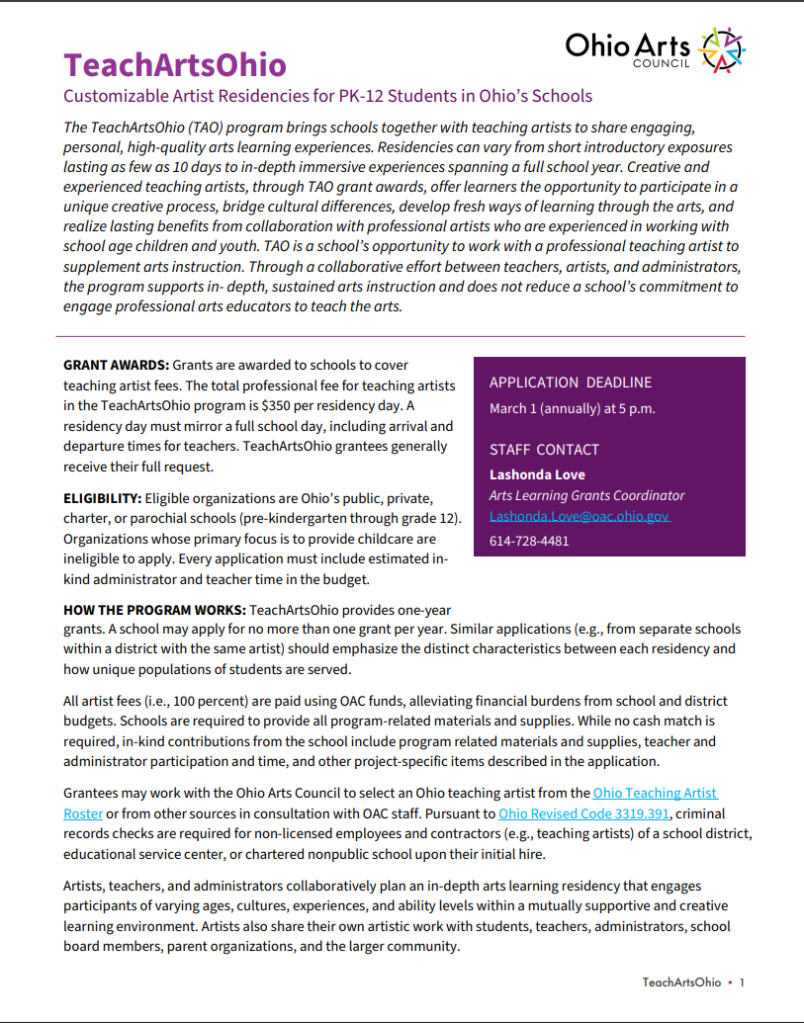
The TeachArtsOhio (TAO) program offers administrators and educators a practical pathway to bring Integrated Arts Learning into their schools through meaningful collaboration with professional teaching artists. This grant program connects schools with creative, experienced artists for residencies that range from short, focused engagements of approximately ten days to immersive experiences lasting an entire school year. TAO-supported residencies provide students with high-quality arts learning that is personal, engaging, and grounded in a collaborative creative process. Participants benefit from opportunities to bridge cultural perspectives, develop new approaches to learning, and work closely with artists who understand both their art form and the needs of school-age learners. Importantly, TAO is designed to supplement—not replace—existing arts instruction. Through intentional planning among classroom teachers, teaching artists, and administrators, the program strengthens sustained arts learning while maintaining a school’s commitment to employing professional arts educators. Administrators and educators are invited to collaborate with Kimberly and the Arts + More Team to explore how a TAO residency can support curriculum goals, deepen student engagement, and expand access to integrated arts experiences for their students.
No matter which approach you’re using, the goal is the same: to nurture whole learners. Kids who think critically, express themselves creatively, and stay curious—about everything. That’s the kind of education that lasts.
Over the years, though, I’ve shifted my view. Now, I understand Arts Integration in its truest sense: partnering an art form with another subject so students learn both at the same time. That means selecting standards in both an art form and another subject. According to the Kennedy Center, Arts Integration works when skills and knowledge from each discipline connect seamlessly. For example, students might use dance to explore fractions, or drama to reimagine historical events. In these lessons, the creative process isn’t an add-on—it’s central. Students deepen their understanding in multiple areas while becoming thinkers, makers, and problem-solvers.
The Kennedy Center’s Definition
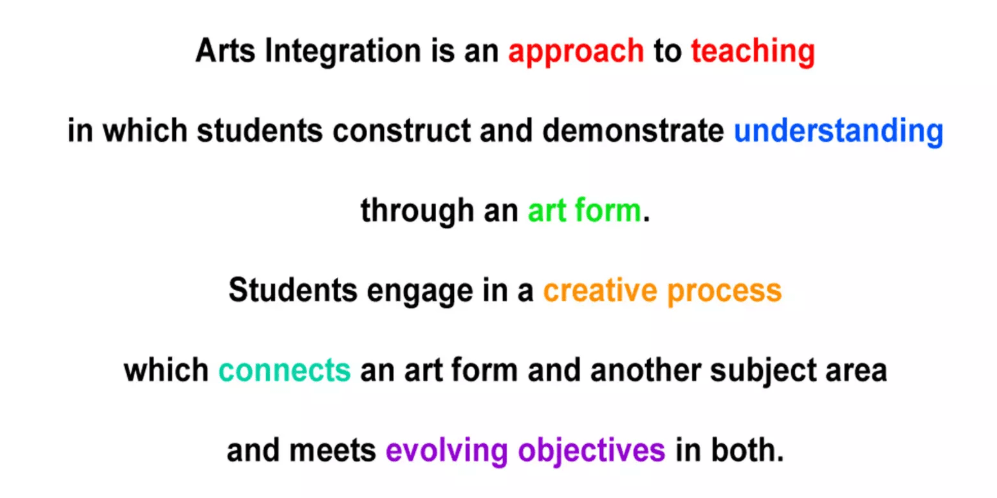
Taken together, these approaches clarify that bringing the arts into learning is not about choosing a trend, but about making intentional instructional decisions. Arts Enhancement can spark interest and support understanding, Expressive Arts can nurture reflection and emotional growth, and STEAM can connect creativity with inquiry and design. Arts Integration stands apart by holding equal value for artistic and academic learning, requiring clear standards, thoughtful planning, and purposeful assessment in both areas. When educators understand these distinctions, they are better equipped to design learning experiences that are coherent, rigorous, and meaningful. The result is not only stronger instruction, but students who think deeply, create with purpose, and engage more fully in their learning.

The TeachArtsOhio (TAO) Program gives administrators and educators a clear opportunity to expand Integrated Arts Learning through collaboration with professional teaching artists. The program supports school-based residencies ranging from short, focused experiences to full-year partnerships, offering students engaging, high-quality arts learning tied to a meaningful creative process. TAO supplements existing arts instruction and strengthens collaboration among teachers, artists, and administrators. Educators are invited to work with Kimberly and the Arts + More Team to bring this grant-supported opportunity to their students.
Each approach has merit. The responsibility lies in choosing intentionally. Thoughtful use of the arts nurtures whole learners. Curious minds. Creative thinkers. Engaged humans.
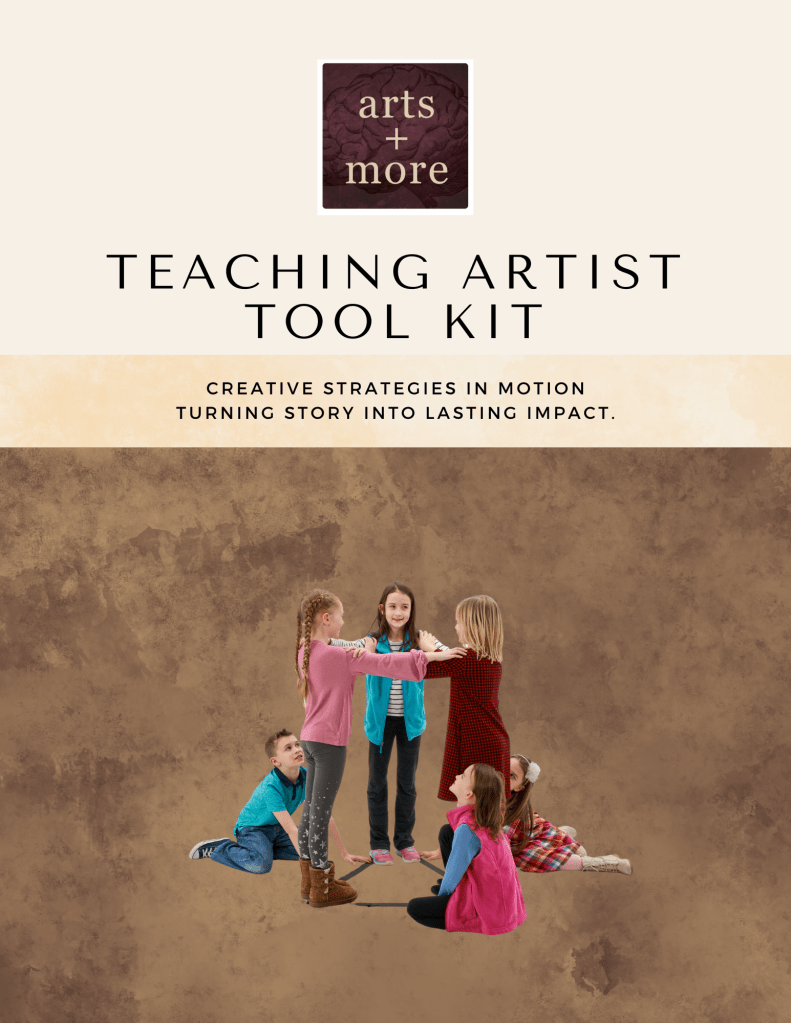
Ready to bring consistency, trust, and impact to your work?
I invite you to download the Teaching Artist Toolkit for practical tips to clarify your goals, identify barriers, and create an action plan for forward movement…
…WHICH MEANS you’ll start showing up with intention for your students and your creative projects today.
If you’ve found value in this work, I would love to hear from you. A short testimonial, Google Review, or comment helps me improve and allows others to see the difference we’re striving to make together.

Leave a comment