
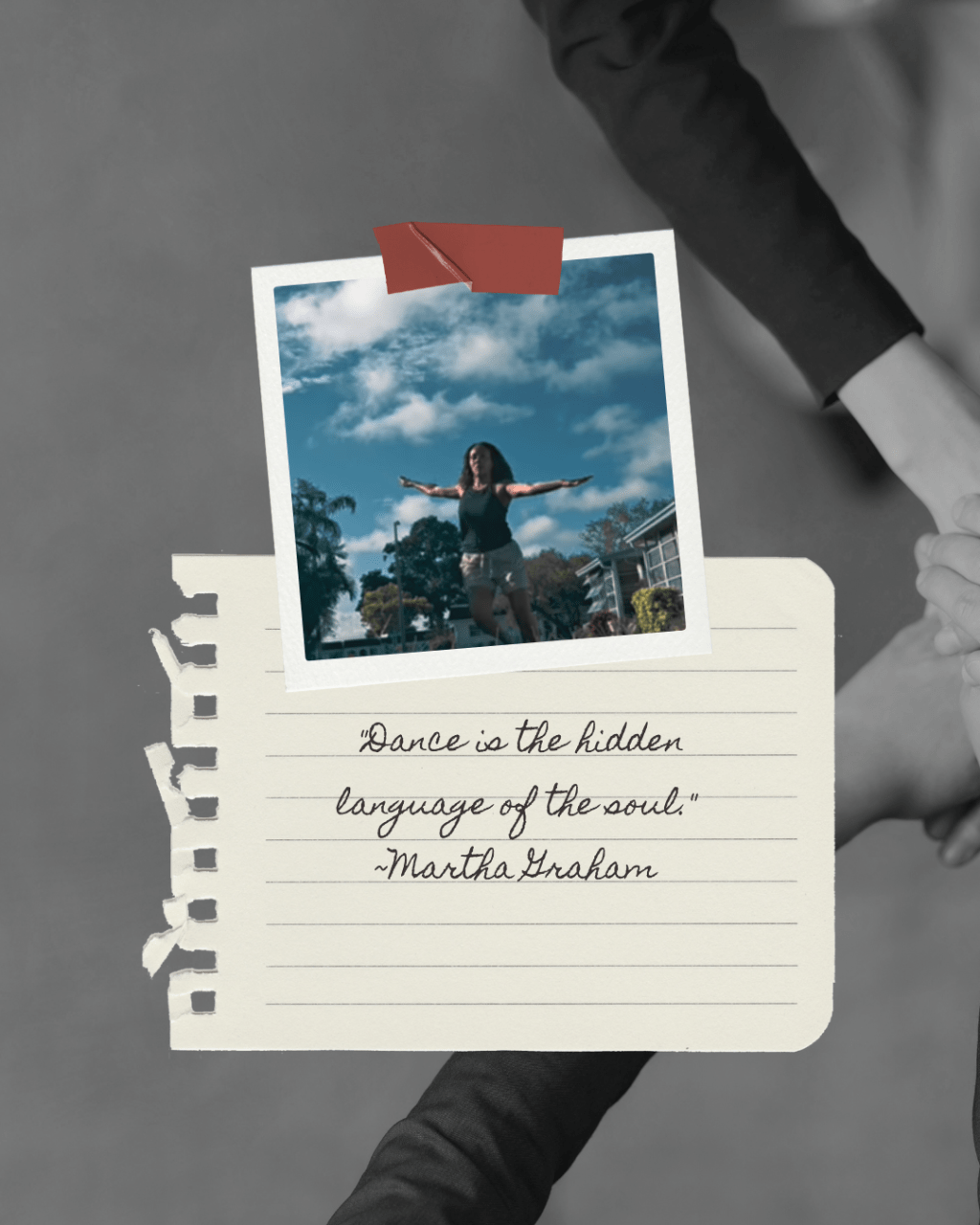
Stories in Motion: Movement, Memory, and Connection
A Reflective Look at the December 6 Workshop in Canton
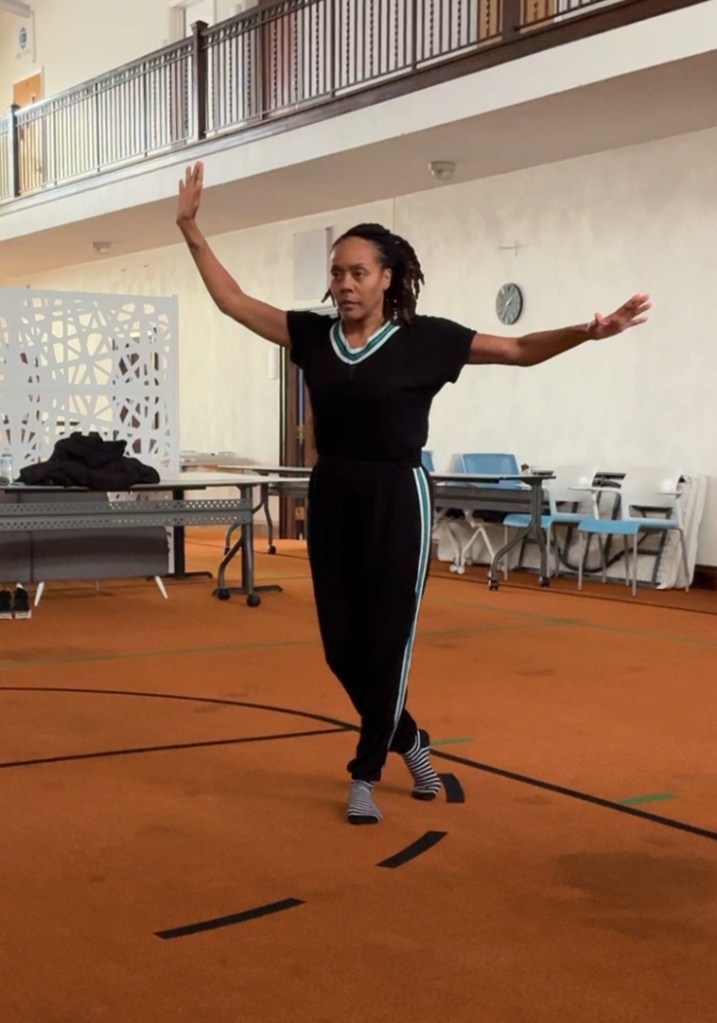
On December 6, I had the privilege of bringing Stories in Motion: Movement, Memory, and Connection to Ordered Steps Dance Company in Canton. From the moment I stepped into the studio, Stacie Morgan welcomed me with warmth and professionalism, setting the tone for a meaningful workshop. We began with a contemporary warm-up that grounded the students and prepared them for deeper creative work. As they moved through the sequence, their focus sharpened. Their bodies started to wake up, their attention shifted inward, and the room settled into a steady, receptive energy.
We moved next into personal storytelling through movement. Students reflected on their emotions, improvised gestures tied to memory, and then traded those stories so a classmate could choreograph an interpretive phrase. This was the moment the room changed. The shift was subtle at first, then undeniable. Students softened toward one another. They listened more closely. They chose movement with greater intention. Respect grew because each student was trusted with the responsibility of shaping someone else’s lived experience. That act required empathy, care, and a willingness to hold another person’s story with integrity.
As choreography took shape, groups selected music that supported the tone of their narratives. The final sharing was quiet, honest, and deeply connective. What unfolded was not performance for applause, but recognition. Students saw one another with clarity. They honored the vulnerability in the room. They left with a sense of discovery, grounded by the experience and encouraged by how their stories had taken form through motion.
What made that shift possible was more than artistic instinct; it was the brain at work. In recent years, dance science and neuroscience have begun to intersect in ways that affirm what many teaching artists have practiced for decades. Movement is not an “extra.” It is a central learning modality that directly influences attention, memory, emotional steadiness, and social connection. During Stories in Motion, each phase activated neural systems that shaped how students learned and related to one another. The warm-up stimulated the motor cortex, basal ganglia, cerebellum, and vestibular and somatosensory networks, priming the brain for coordination and focus. Grounding practices engaged the prefrontal cortex, anterior cingulate cortex, and insula, lowering stress responses and preparing students for clear thinking. When personal stories were expressed physically, the hippocampus, temporal lobes, mirror neuron system, and default mode network worked together to reinforce autobiographical memory and creative reasoning. Community sharing activated social-reward circuitry, including the orbitofrontal cortex, superior temporal sulcus, and the oxytocin and dopamine systems, building trust, empathy, and group cohesion.
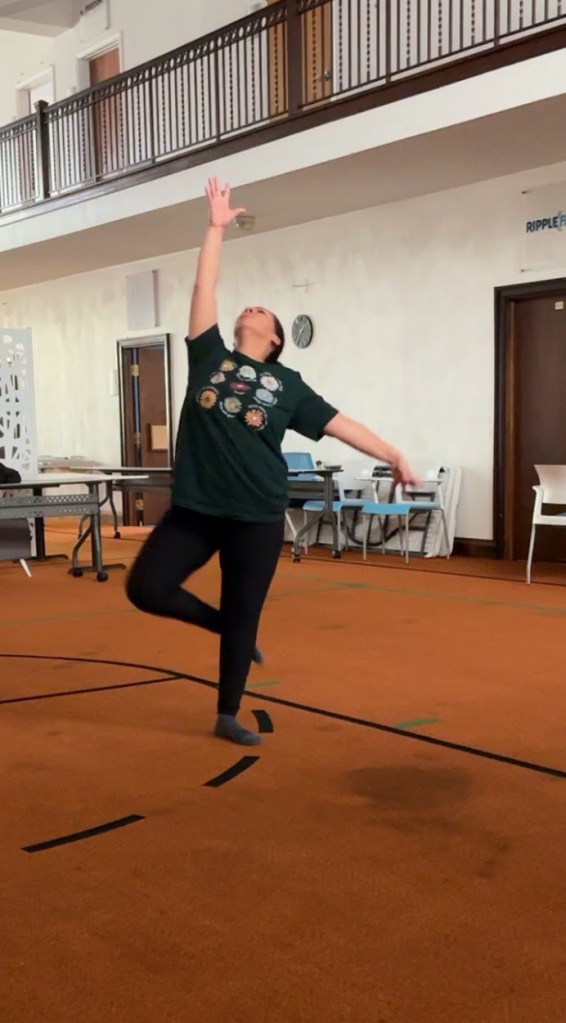
This is why movement matters. Embodied learning deepens cognition, supports emotional regulation, and strengthens community. What I witnessed in Canton was a true reflection of this science and faith in action: a room of young dancers learning not only steps, but themselves and each other, through movement.
A warm thank you to Stacie Morgan, the Sacred Place Workshop Series, Ordered Steps Dance Company, and The One Center for Leadership in Canton, Ohio for hosting such a meaningful and well-supported session of Stories in Motion. Your care, preparation, and commitment to creating a thoughtful environment made the experience powerful for every participant. I’m grateful for the partnership and the shared vision for creative, embodied learning. We’re already looking forward to Stacie planning more sessions in the future.
More sessions of Stories in Motion are on the horizon as well, and I’m looking forward to offering this experience to additional classrooms and community groups in the months ahead. Each workshop builds on the same foundation of creativity, neuroscience, and meaningful connection, giving students new ways to explore memory, movement, and collaboration. If this work resonates with you or your organization, stay tuned for upcoming dates and opportunities to participate.

Ready to bring consistency, trust, and impact to your work?
I invite you to download the unit Stories in Motion: Movement, Memory, and Connection Worksheet Packet from the Teaching Artist Toolkit for practical tips to clarify your goals, identify barriers, and create an action plan for forward movement…
…WHICH MEANS you’ll start showing up with intention for your students and your creative projects today.
If you’ve found value in this work, I would love to hear from you. A short testimonial, Google review, or comment helps me improve and allows others to see the difference we’re striving to make together.


Leave a comment