
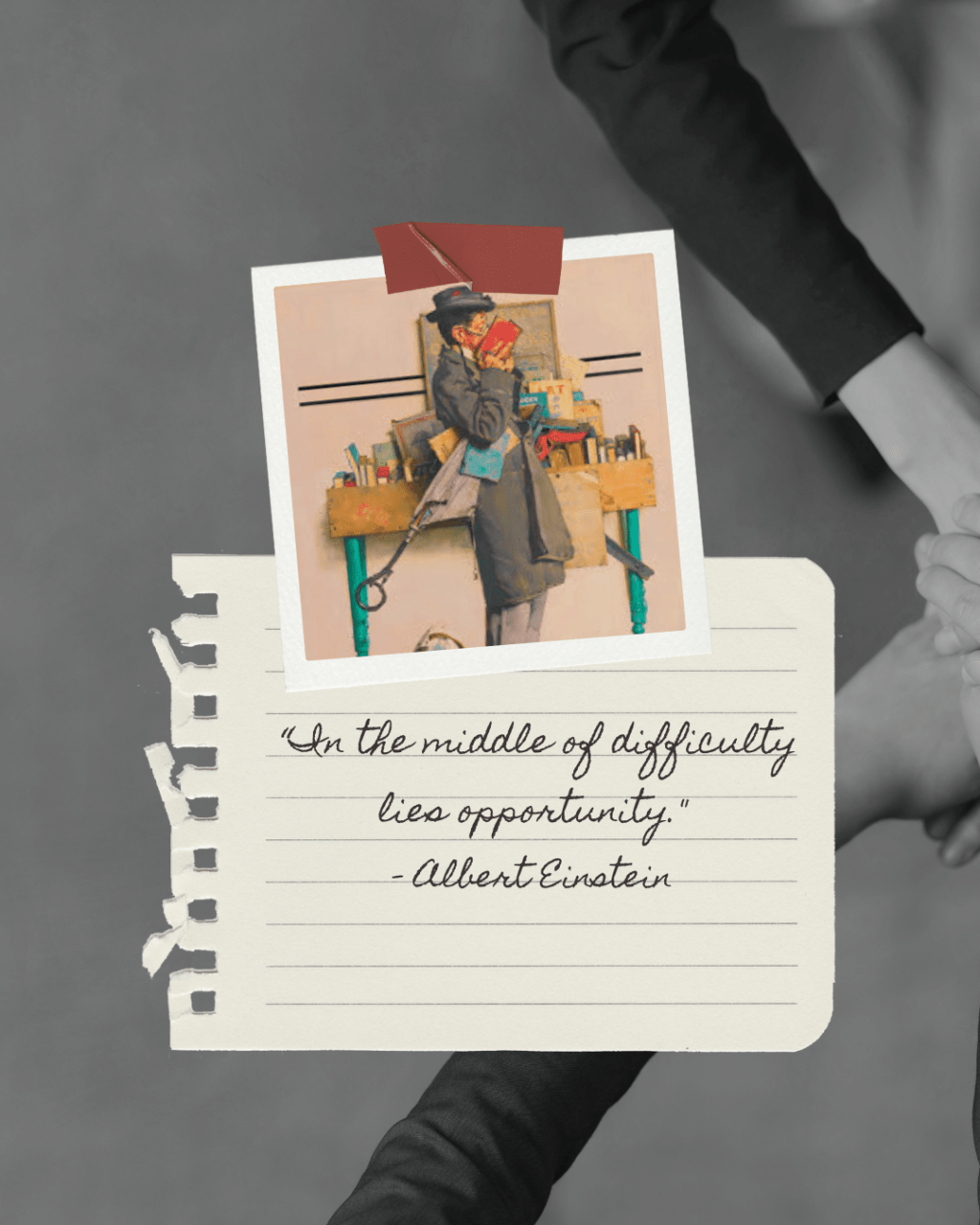
Embracing Opportunity as a Gift
Opportunities are among the greatest gifts life offers. They appear in many forms, a new collaboration, an unexpected challenge, or even a moment of stillness! For educators, administrators, and teaching artists, recognizing and embracing opportunity is not simply a matter of luck; it’s a mindset and a form of leadership. Opportunities allow us to grow, refine our craft, and deepen our connection to the students and communities we serve.
Today I want to talk about building good habits for the classroom, and letting go of the bad ones that sneak in when we’re tired, distracted, or running on autopilot. Having co-taught alongside hundreds of educators and teaching artists, I can say with confidence that there’s a visible difference between classrooms that thrive and classrooms that simply get through the day. It comes down to two things: habits and self-esteem. The most effective educators aren’t necessarily the most experienced or the most charismatic; they’re the ones who stay grounded in who they are and intentional about what they do. They’ve built habits that support presence, positivity, and consistency, and they’ve learned to eliminate the habits that don’t. They trust themselves even when lessons fall apart or students are disengaged. These educators don’t rely on perfection; they rely on awareness. The truth is, our daily patterns and our sense of self-worth work together to shape the entire classroom environment. When our habits are healthy and our self-esteem is steady, students sense it immediately. They respond with focus, trust, and curiosity. When we’re distracted or discouraged, they mirror that energy too. The work of refining our habits and rebuilding our confidence isn’t just self-care—it’s classroom care.
The Power of Grounding
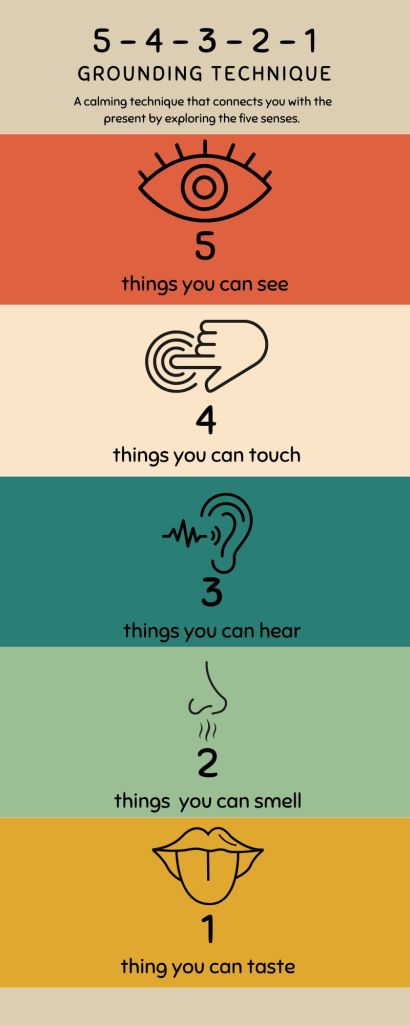
Artists, particularly dancers, have an innate understanding of what it means to be grounded. In movement, grounding is balance, stability, and connection to the floor. In teaching, it’s awareness and being fully present in body, mind, and environment. To be grounded means standing firm in who you are, calm within chaos, and capable of responding rather than reacting.
In classrooms, grounding is essential. Students cannot learn when they feel unsafe, unseen, or disconnected. A grounded classroom invites trust and participation. It’s the difference between authentic learning and simply passing time. When students feel grounded, they are open to curiosity, empathy, and exploration. Teaching artists play a vital role in creating this environment because they understand how emotion, movement, and expression anchor learning in experience.
The Challenge of Constant Advocacy
Teaching artists often face the unique challenge of repeatedly advocating for their value. Each new residency or partnership may require reestablishing credibility and explaining the impact of their art form. Over time, this can quietly erode confidence. Here, self-esteem becomes not just a personal concern but a professional strength.
Self-esteem exists on a continuum. It’s shaped by our self-beliefs and how we interpret both success and failure. High self-esteem doesn’t mean assuming we’re the best; it means being comfortable with who we are, even when projects don’t go as planned. It’s trusting that our preparation, training, and authenticity have worth. Grounding nurtures this trust and it brings us back to center when doubt tries to take over.
Building and Sustaining Healthy Self-Esteem
To maintain confidence and emotional balance in your work, try these strategies:
- Practice verbal assertion. Speak for your needs, boundaries, and ideas in situations that feel safe. Small steps build confidence and reinforce self-respect.
- Challenge yourself weekly. Do something new or uncomfortable, like a different teaching method, a new collaboration, or a creative experiment. Growth hides in discomfort.
- Clarify your goals. Be honest about what you want to accomplish and align your actions to those goals.
- Avoid comparison. Classroom teachers may have a deeper rapport with students or staff, but your role is distinct. You bring creativity and expression that enrich the learning experience.
- Seek positivity. Surround yourself with encouragement. Positive energy nurtures resilience and fuels progress.
Breaking Unhelpful Habits
Habits, good or bad, shape how we respond to daily stress. Science shows that when we repeat a behavior (even one that isn’t serving us), it releases dopamine, the brain’s “feel-good” hormone. That temporary relief, like venting frustrations to students or skipping a difficult part of class, may feel comforting, but does not contribute to long-term goals.
To change a habit, act like a detective. Ask yourself: What triggers this pattern? Fatigue? Frustration? Uncertainty? Once you find the trigger, choose a healthier replacement. Take a mindful breath, adjust your approach, or find a small creative win that offers satisfaction without losing focus. Mindfulness keeps your habits aligned with purpose.
Every Day is a New Opportunity
Every day presents a chance to learn, grow, and stay open-minded. Mindfulness is not just a practice; it’s a way of leading. When we stay grounded, we model presence and self-awareness for our students and colleagues. They sense our steadiness and, in turn, feel safe enough to take their own creative risks.

Seizing opportunities is not about waiting for perfect conditions; it’s about being ready when they appear. The most impactful leaders are those who stay rooted enough to recognize opportunity and brave enough to act. Ground yourself, nurture your confidence, and trade unhelpful habits for mindful ones.
Each class, rehearsal, and meeting holds potential. When you are present, calm, and centered, opportunities stop feeling random; they feel inevitable.
Ready to bring consistency, trust, and impact to your work?
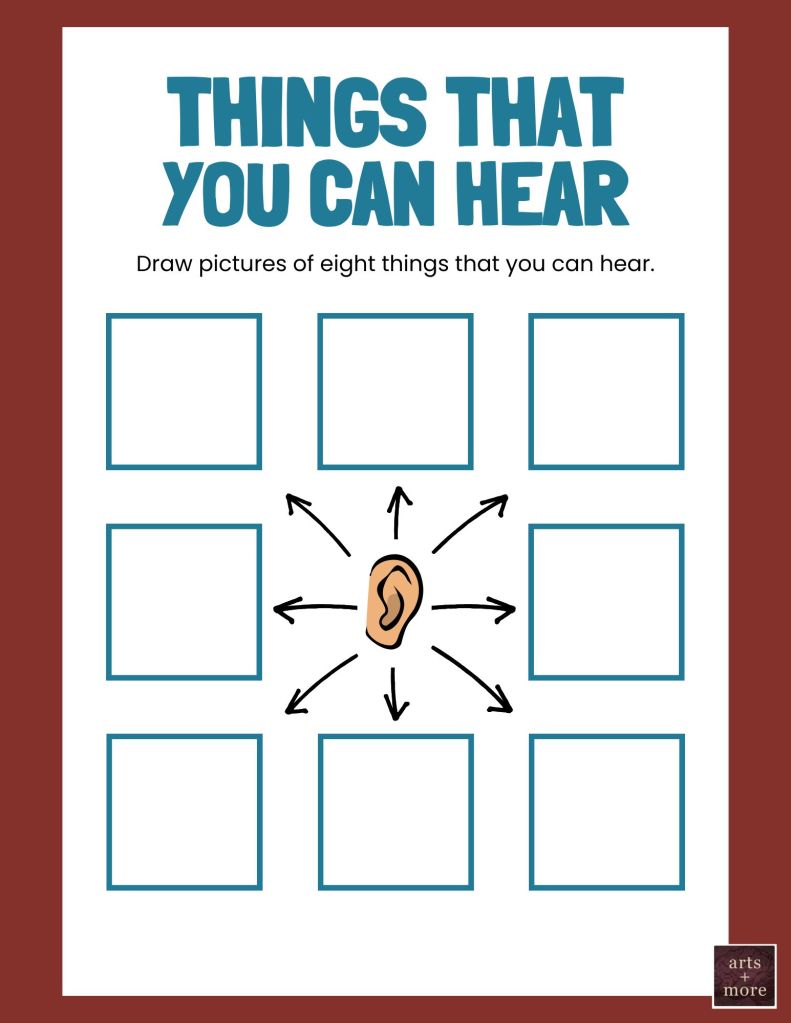
I invite you to download the Warm-Up Grounding Worksheet from the Teaching Artist Toolkit for practical tips to clarify your goals, identify barriers, and create an action plan for forward movement…
…WHICH MEANS you’ll start showing up with intention for your students and your creative projects today.
If you’ve found value in this work, I would love to hear from you. A short testimonial, Google review, or comment helps me improve and allows others to see the difference we’re striving to make together.


Leave a comment