
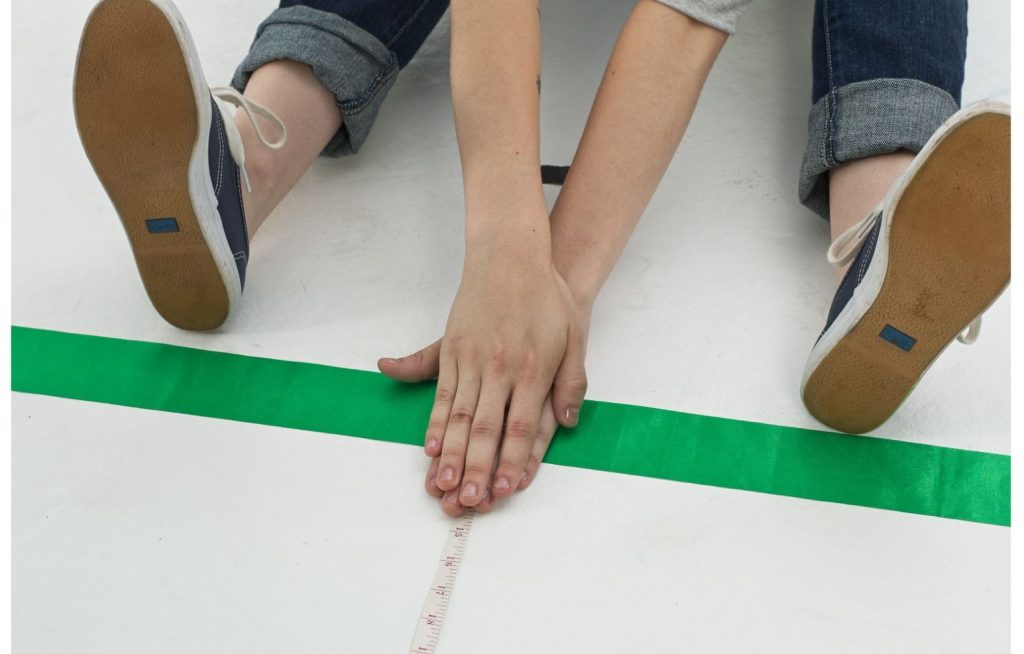
When students track this data over time, they gain insight into their own growth—and learn how to analyze patterns, calculate averages, and even create graphs and charts as part of their data analysis lessons. This makes math and science concepts more engaging and immediately relevant to their lives.
In the Math & Science Movers series, learning isn’t limited to paper and pencil—it happens through movement, measurement, and meaningful connections across disciplines. One exciting way to bring this to life is by integrating basic fitness testing at the start and end of the program. This not only helps students monitor their physical development but also provides rich, real-world data they can use during their math and science lessons.
With support from your school’s physical education team, you can gather simple metrics like:
- Flexibility
- Resting and recovery heart rate
- Push-up and sit-up stamina

When students track this data over time, they gain insight into their own growth—and learn how to analyze patterns, calculate averages, and even create graphs and charts as part of their data analysis lessons. This makes math and science concepts more engaging and immediately relevant to their lives.
Of course, it’s essential to protect student health information. Schools can strike a balance by:
- Anonymizing data before it’s used in classroom activities
- Communicating transparently with families about how data is collected and used
- Using technology responsibly and limiting access to sensitive information
- Focusing on aggregate trends, not individual results
With robust privacy safeguards in place, students can safely explore meaningful, real-world data while building critical thinking skills.

The best part? Students are often motivated and proud to see their progress. The Math & Science Movers approach supports wellness, encourages personal achievement, and connects physical movement with academic growth. When done thoughtfully, fitness testing becomes more than a measurement tool—it becomes a springboard for curiosity, confidence, and cross-curricular learning.

Leave a comment