
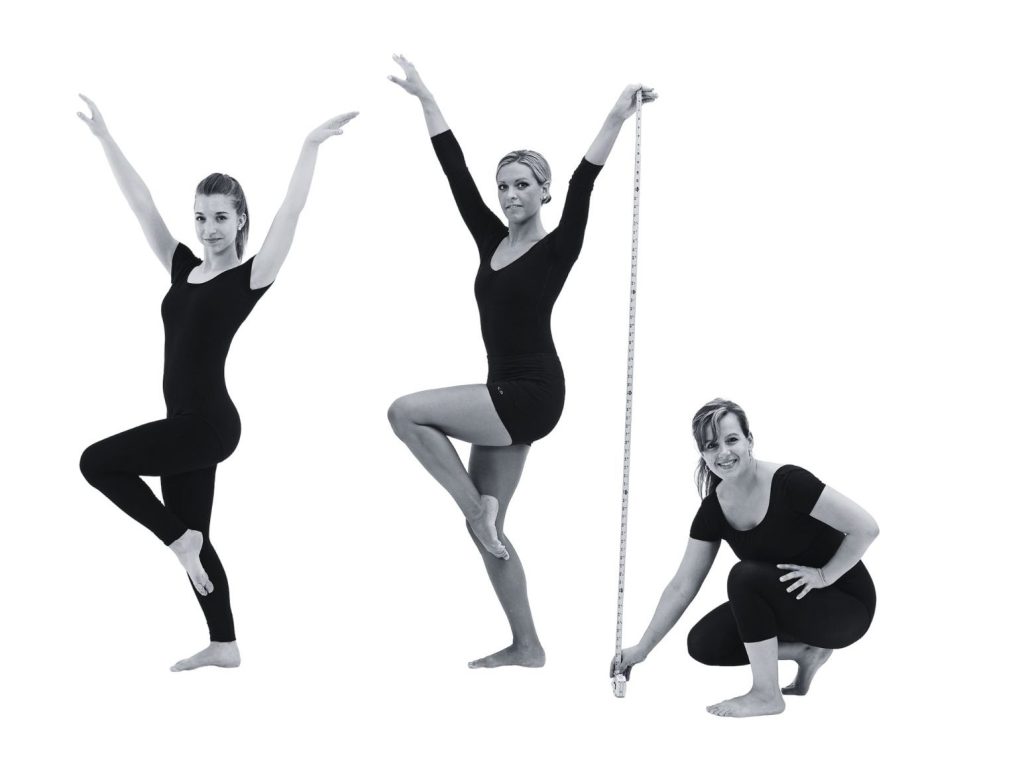
Geometry comes to life through movement. In Mirror Me, students physically explore congruent and similar shapes by mirroring or resizing their partner’s pose. This hands-on approach builds spatial reasoning, teamwork, and creativity, making math dynamic and interactive.
Lesson Title: Mirror Me!
Grade Level: 3rd–5th Grade
Duration: 5 Class Periods (30 minutes each)
Standards
Math Standards
Geometry
- Distinguish between congruent and similar shapes based on size and proportional relationships.
- Recognize and describe transformations, including enlargements and reductions.
- Identify and compare attributes of congruent and similar figures using movement-based exploration.
Measurement & Data
- Use spatial reasoning to analyze shape properties and transformations.
- Apply measurement concepts to compare and contrast congruent and similar figures.
Dance Standards
Creating
- Explore and experiment with movement patterns to represent congruent and similar shapes.
- Use body positioning to demonstrate transformations in size and proportion.
- Develop dance vocabulary and choreographic structures using a range of movement styles.
Performing
- Demonstrate kinesthetic awareness, self-direction, and safe practices when improvising and performing.
- Apply movement principles to create and maintain congruent and similar formations.
Responding
- Describe how movement patterns and body positioning reflect mathematical concepts.
- Analyze how different dance forms incorporate transformations and proportional relationships.
Connecting
- Observe and explore dance forms that use structured shapes and formations.
- Recognize how movement and spatial awareness contribute to understanding geometry.
Essential Questions
- How can movement help us understand the difference between congruent and similar shapes?
- What transformations occur when a shape is resized but maintains its proportions?
- How do dancers use spatial awareness to create symmetry and balance?
Learning Objectives
- Students will distinguish between congruent and similar shapes using movement.
- Students will use partner-based activities to explore transformations in size and proportion.
- Students will apply spatial reasoning to analyze shape properties through kinesthetic learning.
- Students will engage in cooperative learning to enhance teamwork and mathematical understanding.
Success Criteria
Congruent & Similar Shapes
- I can create congruent and similar shapes using my body and movement.
- I can recognize and describe transformations in size and proportion.
Kinesthetic Awareness
- I can safely and confidently participate in movement-based learning.
- I can use spatial reasoning to analyze shape properties.
Shape Identification
- I can correctly identify and classify congruent and similar figures.
- I can explain transformations using geometric vocabulary.
Materials
- Mirror cards or shape cutouts
- Masking tape for boundaries
- Tables, paper shapes, or manipulatives for seated modifications
Lesson Activities
Activity One: Introduction
- Discuss the difference between congruent and similar shapes using visuals and definitions.
- Explain how movement can help demonstrate transformations in size and proportion.
Activity Two: Partner Shape Mirroring
- In pairs, one student creates a shape using their arms or full body.
- The partner mirrors exactly (congruent) or enlarges/shrinks it (similar).
- Switch roles and repeat to reinforce understanding.
Activity Three: Drawing Symmetry Worksheet

- Identify congruent and similar shapes.
- Review the worksheet.
- Create symmetrical shapes and sketch them.
Activity Four: Shape Card Matching
- Students match shape cards on the board or floor to reinforce congruent vs. similar concepts.
- Discuss transformations and proportional relationships in real-world examples.
Adaptations and Modifications
Learner Needs Addressed
Students with mobility, fine motor, or cognitive processing challenges.
Adapted Materials
- Provide shape templates for comparison.
- Use color-coded visuals or transparent overlays to support understanding.
Instructional Strategies
- Slow down transitions and use gestures to reinforce vocabulary (e.g., “same size!” “stretched!”).
- Provide step-by-step demonstrations before each activity.
Peer Support & Grouping Ideas
- Pair students so one moves while the other explains or observes.
- Use buddy systems to encourage collaboration and support.
Assessment
- Ask students to match or color-code congruent vs. similar pairs in a worksheet or hands-on center.
- Observe student participation in movement-based shape formations.
- Assess how students describe and explain transformations during group activities.
Lesson Conclusion
This interactive lesson transforms geometry into a kinesthetic and collaborative experience, allowing students to physically explore congruent and similar shapes through movement. By mirroring and transforming shapes with their bodies, students develop spatial reasoning, teamwork, and mathematical understanding in a dynamic way. Whether matching shape cards or adjusting their movements to reflect proportional changes, students experience math as a creative and engaging subject that connects logic, movement, and artistic expression.

Leave a comment