
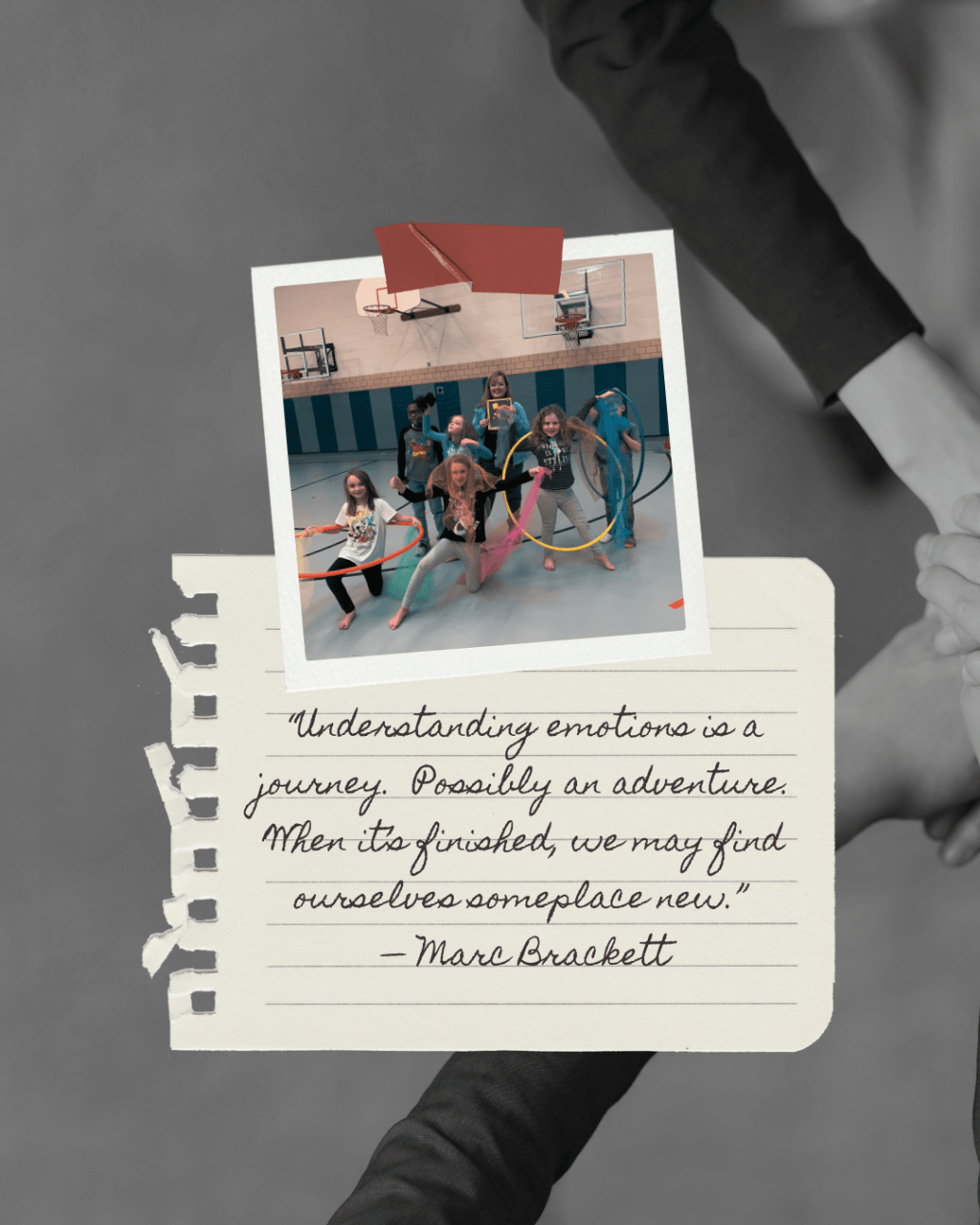
In leadership and the arts, emotional intelligence is not a luxury; it’s a necessity. The ability to recognize, understand, and manage emotions shapes how we connect with others and how effectively we lead. For administrators and teaching artists, these skills influence classroom culture, collaboration, and long-term trust.
Throughout my career, I’ve met many arts educators who’ve become masters at what I call “domesticating the arts.” The arts evoke power. They hold the power to excite, tame, inspire, and educate. Yet in educational settings, that power is often managed within systems that value structure and compliance. The real artistry lies in learning to move between both worlds: leading with creative spirit while maintaining clarity, consistency, and professional accountability.
The primary benefit of studying emotional intelligence is developing the mental agility to pivot within the art form, to bring forth the lesson’s purpose without losing passion for the process. There is no need to be categorized in negative terms as “too artistic” or “not academic enough.” The big win comes from mastering the shift between right-brain creativity and left-brain logic within school environments.
I remember once when an educator I greatly respected asked me to take over her class to prepare students for an upcoming performance. She trusted me and knew I would give my best. That same day, the school faced unexpected administrative pressures, and the stress spilled into every classroom. Teachers were stretched thin, and communication grew tense. I tried to balance the demands of performance preparation with new procedural instructions, but I missed the mark.
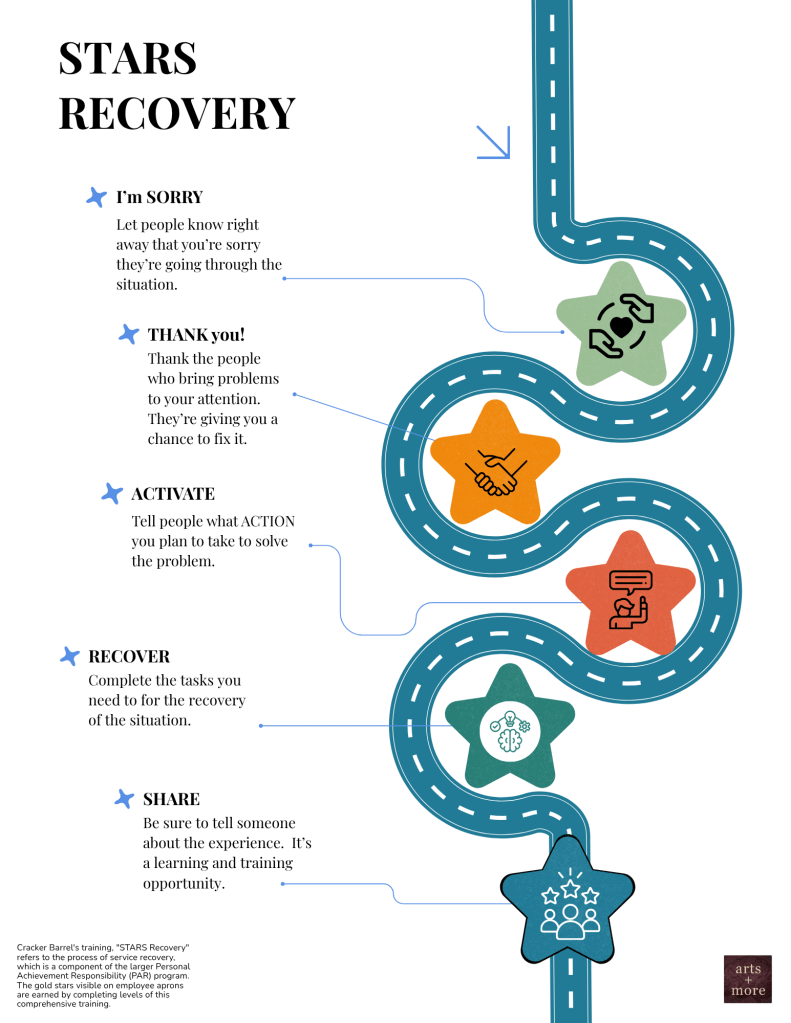
I couldn’t understand the logic behind the administrative shift from education to protocol. Still, I kept my composure, using STARS Recovery to guide my response.
- S – I’m Sorry: I acknowledged what had gone wrong.
- T – Thank You: I thanked the staff for clarifying expectations.
- A – Action: I adjusted our plan to align with new priorities.
- R – Recover: I reflected privately and took a breath before returning to the students.
- S – Share: Later, I shared the experience with colleagues to help us all prepare for similar challenges.
That day, while the students felt unprepared and their teacher’s hopes were dashed, the real success came from modeling emotional balance. They saw their teaching artist hold composure, show kindness, and courageously ask for clarification while maintaining respect. They immediately recognized the connection between performance composure and professional composure. It was a powerful lesson for them in both art and life.
Developing self-awareness begins by pausing to notice what we feel, think, and communicate under pressure. Ask: What’s driving my reaction right now? Strengths reveal where we bring value; weaknesses show where empathy and learning can deepen our impact. Emotional awareness helps us act with clarity instead of impulse, transforming leadership from reactive to intentional.
Equally important is embracing feedback as a tool for growth. Feedback (especially when difficult) should be received as a gift. It offers insight we can’t access alone. The STARS framework turns those moments into learning opportunities, helping leaders stay grounded, accountable, and human.
Awareness is the greatest agent for change. When we invest in our emotional intelligence, we create environments where creativity and collaboration thrive, where both artistry and administration can coexist with respect and purpose.
Ready to bring consistency, trust, and impact to your work?
I invite you to download this page of the Teaching Artist Toolkit for practical tips to clarify your goals, identify barriers, and create an action plan for forward movement…
…which means you’ll start showing up with intention for your students and your creative projects today.

If you’ve found value in this work, I would love to hear from you. A short testimonial, Google review, or comment helps me improve and allows others to see the difference we’re striving to make together.


Leave a comment