

When we think about leadership, we often imagine authority, someone in charge, making decisions, and setting direction. But real leadership isn’t about a title or a position. It’s about influence. And the most effective leaders don’t rely solely on expertise or intelligence; they rely on soft skills: communication, empathy, collaboration, self-awareness, and emotional intelligence.
These skills are harder to measure than technical knowledge, but they’re the foundation of trust and respect. They determine how well teams work together, how conflicts are resolved, and how change takes root. In a workforce where five generations, from the WWII generation to Gen Z, now share space, soft skills are not optional. They are essential.
The Ripple Effect of Negativity
Early in my career, I worked with someone who was technically excellent. She knew her job inside and out. But she also complained constantly, gossiped about colleagues, and vented about every decision leadership made. At first, people tried to support her. Over time, though, I watched as coworkers literally turned and walked away when they heard her voice. Her negativity didn’t just impact her relationships; it shaped the entire workplace culture. Collaboration slowed. Morale dropped. Ideas stopped flowing.
It was a powerful lesson: you can’t lead if people don’t want to follow you.
Soft skills aren’t about being “nice.” They’re about creating an environment where people feel safe to share ideas, take risks, and do their best work. Without them, even the smartest person in the room can become a liability.
Why Soft Skills Matter Even More Today
The modern workplace is more complex than ever. Teams are often remote and global. People bring different expectations, communication styles, and values shaped by their generation and experiences. A leader who wants to inspire action must know how to bridge those differences and guide people toward a shared goal.
There are many ideas, theories, and models that can help leaders visualize the future and think creatively about how change happens. They offer tools to understand people, anticipate challenges, and shape culture intentionally rather than by accident. And at the center of every one of them is communication. Soft skills are the link that connects these ideas to real action. They are how you serve your team, influence your organization, and move change forward.
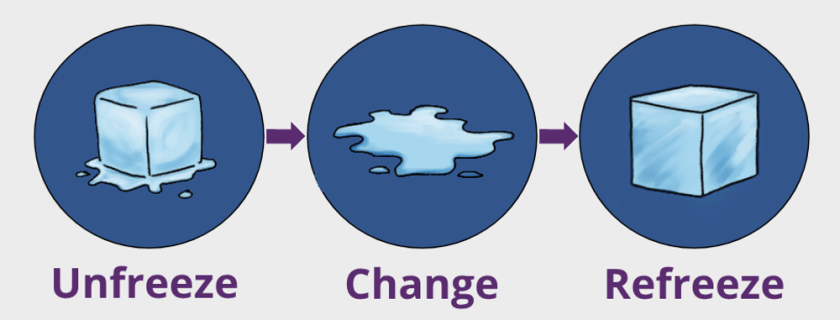
Kurt Lewin’s model for change, built around the steps of unfreezing, changing, and refreezing, reminds us that transformation begins with honest conversations and a willingness to question existing habits.
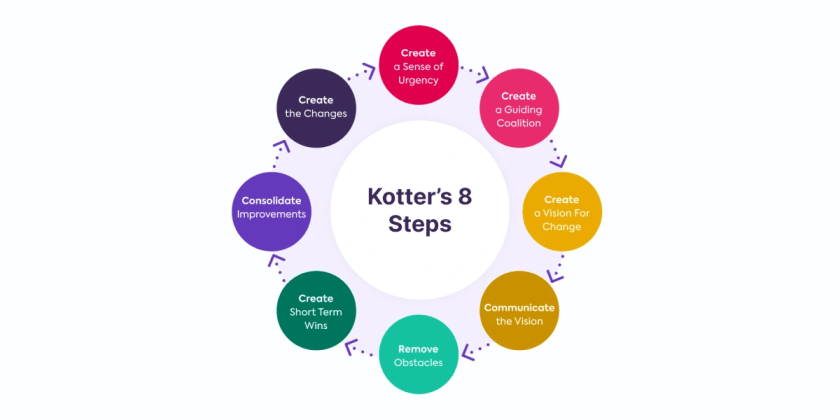
John Kotter’s expanded eight-step model builds on this by showing that lasting change requires collaboration, shared vision, and celebrating small wins along the way. Both approaches emphasize the importance of leaders who listen deeply, communicate clearly, and build trust across differences.
Everett Rogers’ diffusion of innovation theory adds another layer by explaining how new ideas spread. Innovation doesn’t succeed just because it is useful or creative; it succeeds because trusted voices champion it and help others see its value. As a leader, you become that trusted voice when your communication is grounded in authenticity, respect, and a genuine desire to see your team succeed.
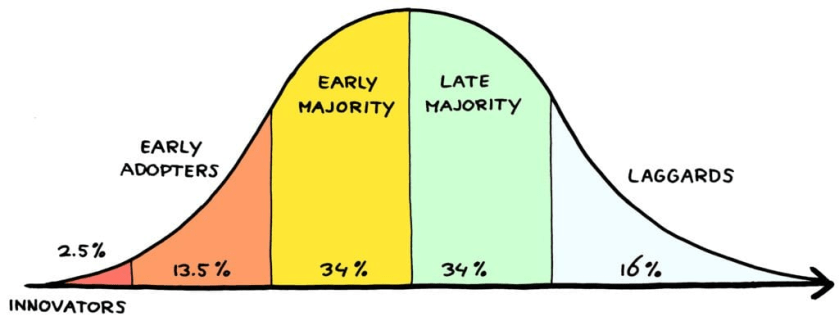
So what does this mean in practice? It means leaders must do more than read about these models — they must apply them in daily decisions. That might look like taking time to explain why a change is happening before expecting people to embrace it (Lewin), inviting others to help shape a vision so they feel ownership of it (Kotter), or identifying early supporters who can help spread new ideas (Rogers). These actions require patience, listening, and thoughtful communication. They also remind us that leadership is not about having all the answers. It is about guiding people through change in ways that make them feel informed, valued, and included. That is what soft skills make possible.
Building the Skills That Build Influence
The good news: soft skills are learnable. Here’s where to start:
- Listen with intent. Don’t just wait for your turn to speak; listen to understand.
- Choose curiosity over judgment. Different generations, cultures, and personalities will see the world differently. See that as strength.
- Manage your energy. Frustration is inevitable, but venting and gossip erode trust. Pause, reflect, and respond thoughtfully.
- Show empathy. People don’t remember every word you say, but they remember how you made them feel.
- Give credit generously. Recognition builds loyalty. Make sure people feel seen.
- Model the culture you want. If you want a team that’s collaborative, resilient, and optimistic, show those traits yourself.
Your Leadership Journey Is Already Underway
Leadership isn’t something that begins when someone hands you a title. It starts the moment you choose to influence your environment for the better. Every meeting you’re part of, every conflict you help resolve, and every idea you support is a chance to lead.
In a world that’s changing quickly, technical skills will open doors, but soft skills will determine how far you go once you’re inside. Be the person people want in the room. Build trust, lead with empathy, and communicate with purpose. That’s the kind of leader people follow, not because they have to, but because they want to.
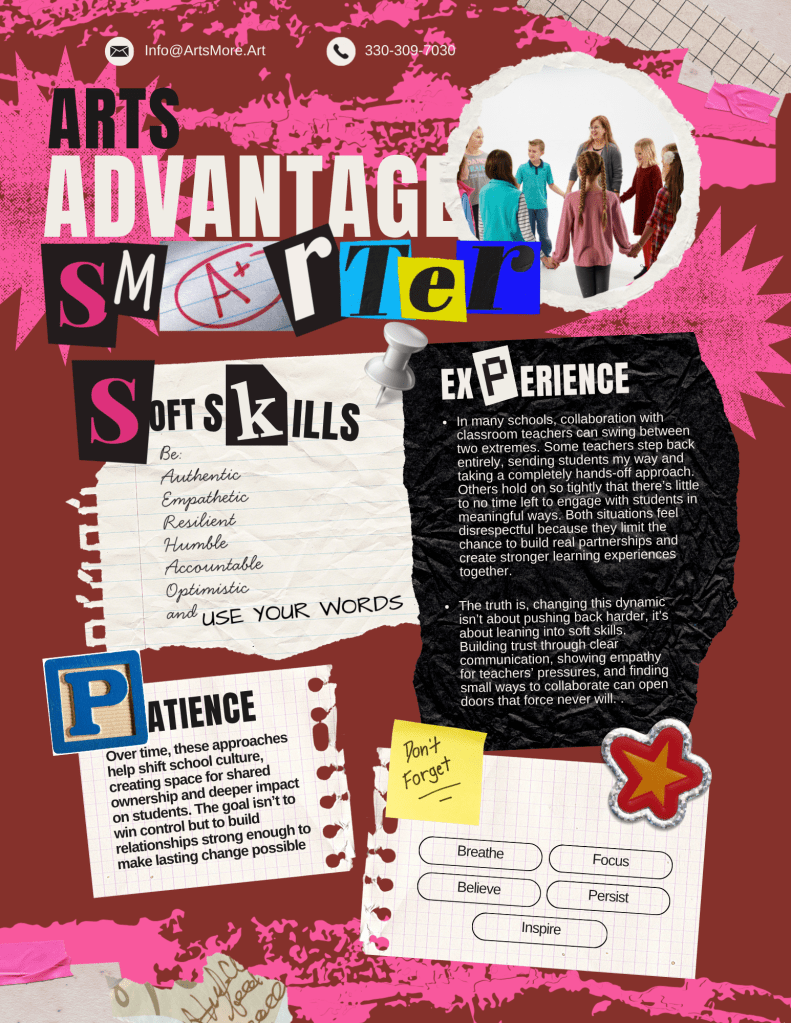
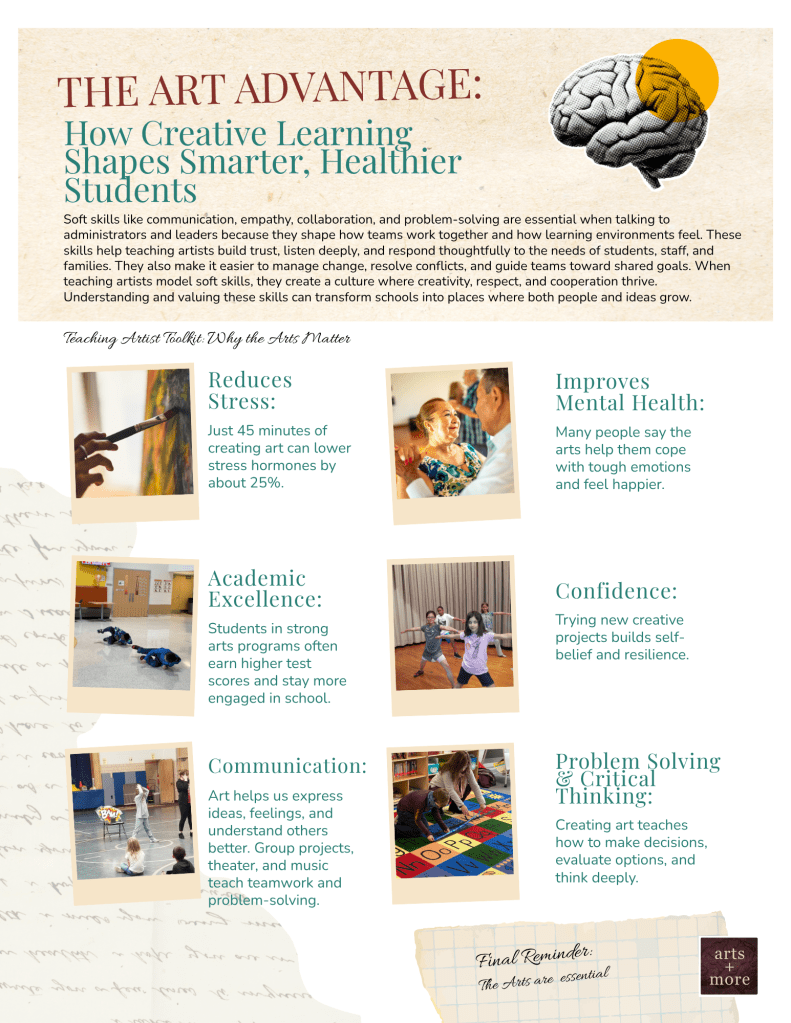
Download Your Teaching Artist Toolkit
Ready to bring consistency, trust, and impact to your work? Download this page of the Teaching Artist Toolkit for practical tips, reflection prompts, and action steps you can use right away….
WHICH MEANS you’ll start showing up with intention for your students and your creative projects today.
If you’ve found value in my work, I would love to hear from you. A quick testimonial, whether through a Google review, a comment, or a site rating, helps me improve and allows others to see the difference we are working to make.




Leave a comment