
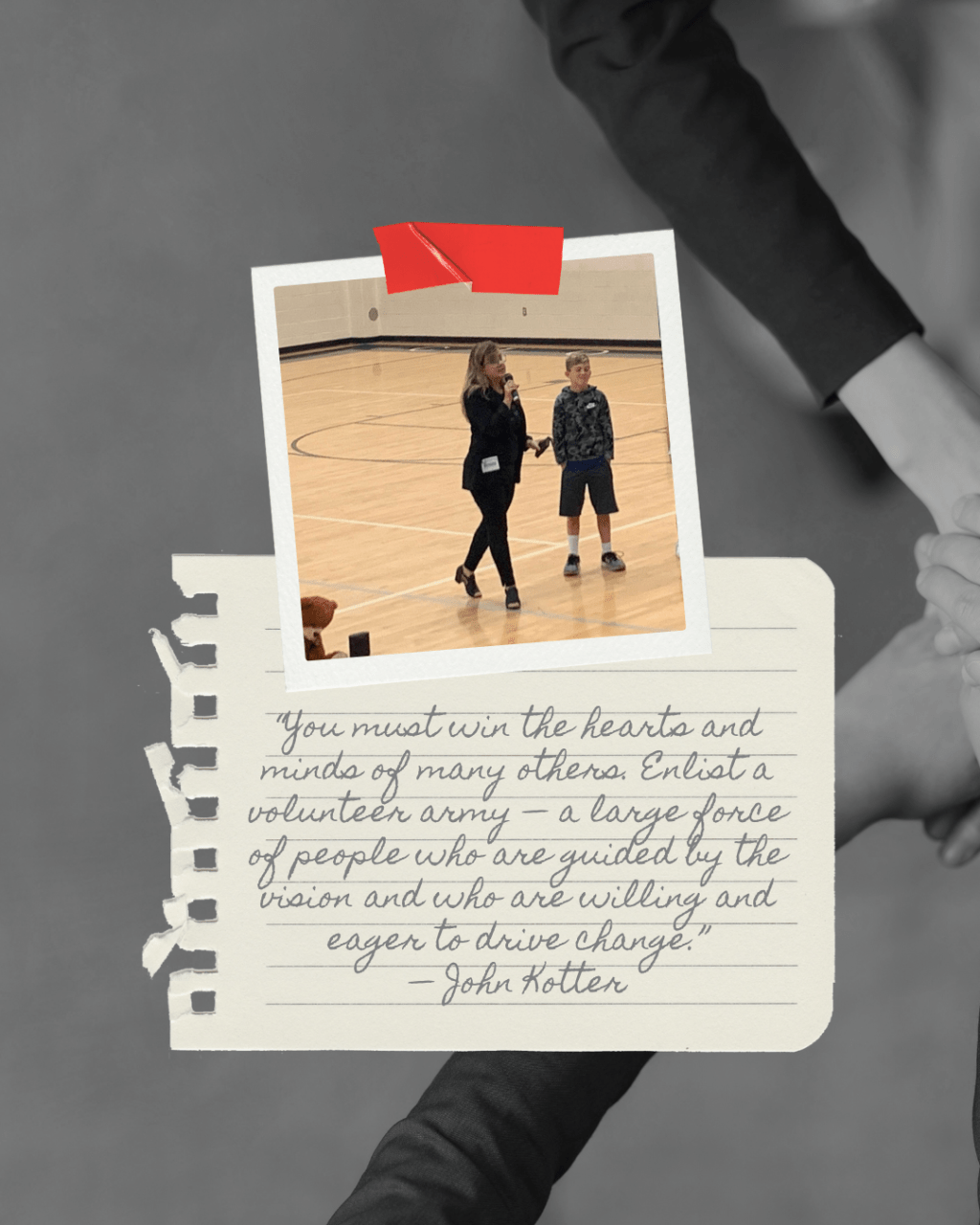
“Culture does not change because we desire to change it. Culture changes when the organization is transformed; the culture reflects the realities of people working together every day.”
— Frances Hesselbein
School culture is like the heartbeat of a building. It is the unspoken rules that shape how teachers, principals, and staff talk, make choices, and handle problems. A healthy culture encourages creativity and teamwork. But when it becomes strict or fearful, it can shut down curiosity and new ideas, which is the very energy that Teaching Artists bring.
Administrators often aren’t resisting you. They are resisting what feels like another disruption in an already stressful environment. Knowing this helps you respond with empathy and strategy.
Why Change Feels Hard
School culture takes years to form, and shifting it also takes time. Administrators are often under pressure from staff, districts, and government rules. This can make them cautious. You may face resistance because of:
- Crisis Fatigue: Budget cuts, safety issues, and enrollment changes leave leaders worried about adding more stress.
- Leadership Turnover: Frequent changes in principals or superintendents make staff hesitant to commit.
- Testing Pressure: Strict standards push schools to focus on scores over new ideas.
- Old Habits: Familiar routines feel safe, and new practices can seem risky.
This pushback is not personal. It is a way of protecting stability.
Understanding Resistance
“People don’t resist change. They resist being changed!”
— Peter Senge
Resistance usually comes from fear. The fear of losing control, failing students, or taking on too much becomes debilitating to administrators and overburdened leaders. The solution isn’t to push harder but to build trust.
Build Trust with Leaders:
- Share your plans early and explain how they support school goals.
- Show flexibility so you are seen as a partner, not a burden.
- Celebrate small successes to prove that your work adds joy and connection.
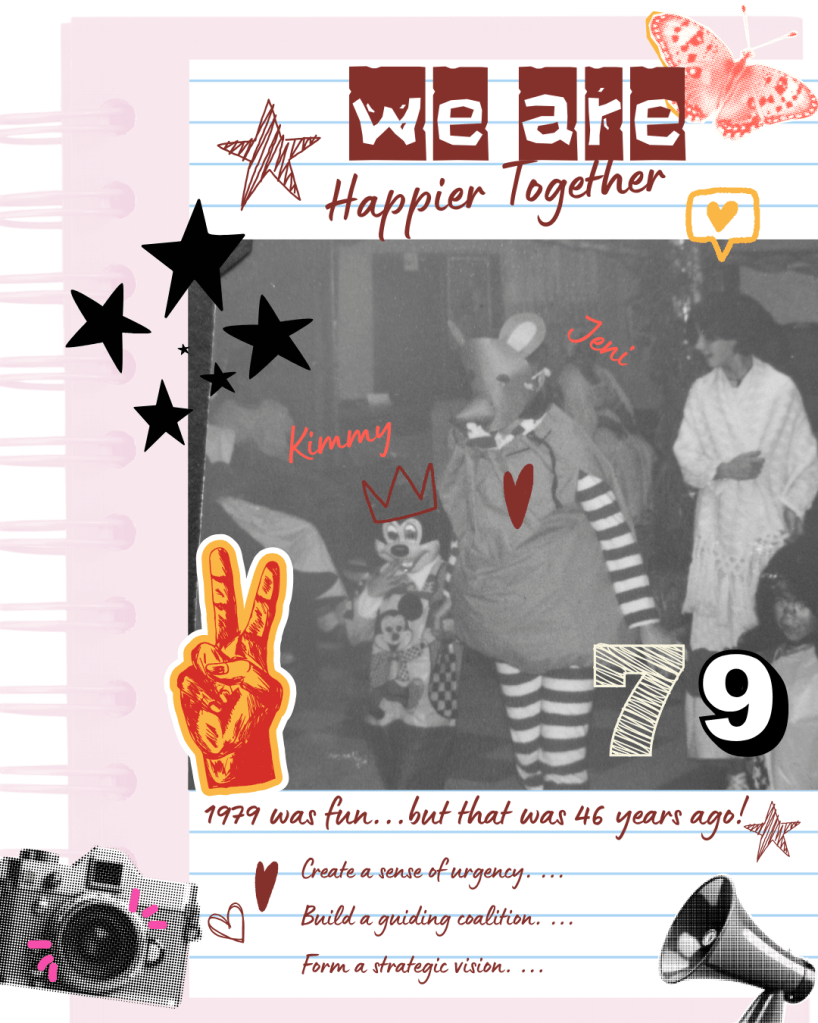
Change requires patience. Each time you make a leader’s job easier, you lower the walls around the culture.
A Strategic Approach
Lasting change doesn’t happen by accident. John Kotter’s change model shows the need for structure, trust, and momentum.
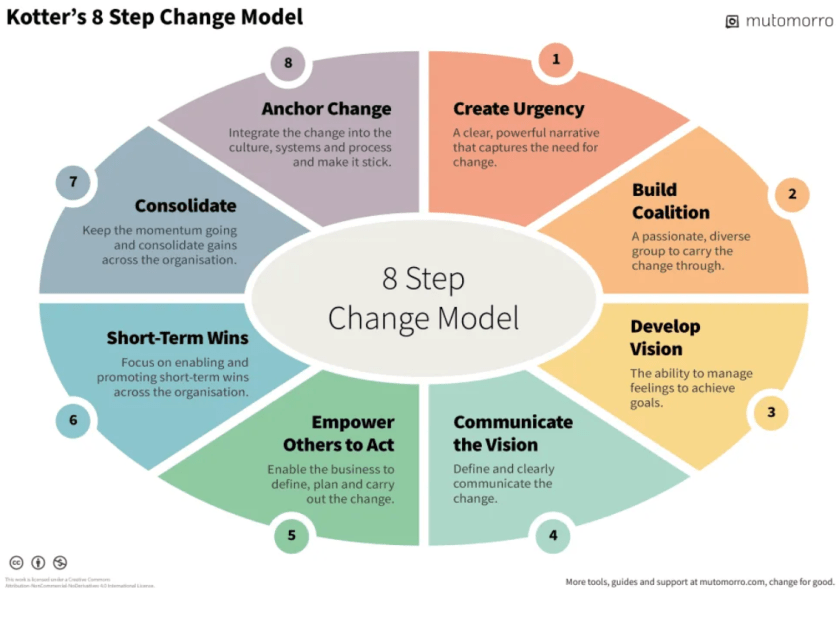
Teaching Artists can:
- Anchor your work in existing school values so it feels like growth, not disruption.
- Build urgency about why the arts matter for students.
- Find allies in the school to champion your work.
- Create and share a clear, inspiring vision.
- Celebrate small wins so progress is visible.
This shifts how schools see you—from an outsider to a trusted partner.
A Personal Story
At one school, the arts program was almost invisible. Only a few long-time staff supported it, and they resisted new ideas. For three years, I kept communicating, telling them why creativity mattered, what students were gaining, and how small changes helped. Some ideas worked, others didn’t, but slowly trust grew.
The turning point came with joy. Student showcases, small celebrations, and classroom sharings reminded staff of what the arts could do. Laughter and energy returned. More teachers got involved. The culture shifted not by force, but by shared positive experiences.
Moving Forward
Culture change takes time, clarity, and safe spaces where people can engage at their own pace. When people feel seen, heard, and valued, they stop resisting and start building.
That is how culture truly changes.




Leave a comment