
As we step into a new week together, let’s begin with a spirit of curiosity, respect, and collaboration, free from the distractions of political undertones that can divide rather than unite. In creative workplaces, especially those shaped by teaching artists and arts leaders, our ability to listen deeply and respond thoughtfully can transform not only our teams but the communities we serve.
My own journey through global dance education in the 1990s opened my eyes to the importance of honoring cultural origins. Whether studying African diaspora dance, rooted in the resilience of Black communities displaced through the Transatlantic slave trade, or engaging with Asian and Latinx movement traditions, I’ve learned that appreciation begins with genuine learning and crediting the culture. There’s a world of difference between taking a class in a studio and collaborating with a dancer in Eswatini. One is technique; the other is relationship.
Having also spent thirty years in vocational evangelical ministry, I’ve witnessed how people evolve, grow, and change. That experience taught me the value of stepping back from emotionally charged conversations in the workplace. Instead, I focus on fostering environments where creativity and connection can flourish, where every voice feels heard and valued.
Listening Across Layers
Creative teams are rich with varied perspectives. When we embrace these layers (rather than react impulsively), we build trust and unlock collaboration. Diversity isn’t just about visible differences. It’s also about the internal and external dimensions that shape how we show up at work.
- Internal Diversity includes race, gender, age, physical ability, sexual orientation, and personality. Leaders who pause before responding, acknowledge harm, and offer sincere apologies when needed help build psychological safety. Respect begins with reflection.
- External Diversity includes geography, parental status, personal habits, and life experiences. When leaders take time to understand these contexts and avoid debates that derail connection, they help preserve a culture of support.
Why would we want creativity in the office?
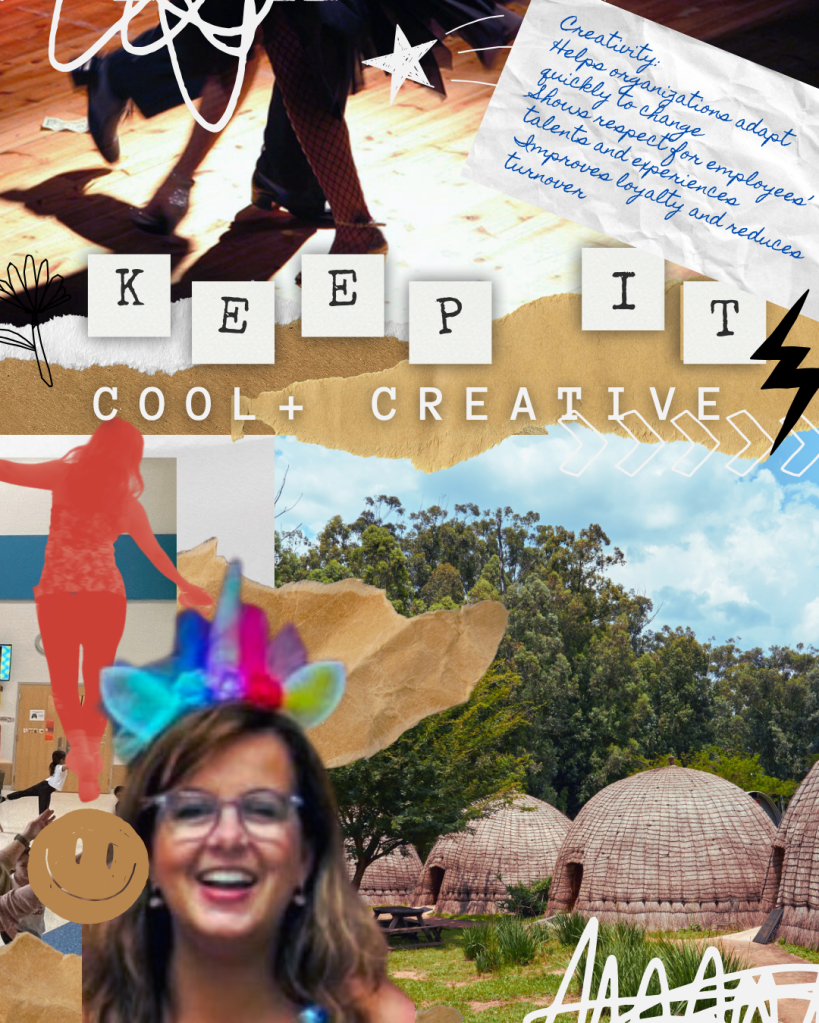
Creativity….
Builds engagement and trust by valuing unique perspectives
Encourages collaboration and strengthens team connections
Sparks innovation and fresh problem-solving
Helps organizations adapt quickly to change
Shows respect for employees’ talents and experiences
Improves loyalty and reduces turnover
Delivers more meaningful, human-centered customer experiences
Fosters inclusive, supportive workplace cultures
A Practical Invitation
This week, I invite you to practice creative listening. Notice what’s said ~ and what’s unsaid. Ask questions with empathy. Reflect before reacting. Whether you’re leading a team, teaching a class, or collaborating across disciplines, your openness to diversity will shape the climate around you.
Let’s build workplaces that inspire everyone: leaders, co-workers, customers, and stakeholders alike. When we listen with intention and respond with care, we create space for creativity to thrive.

Leave a comment