
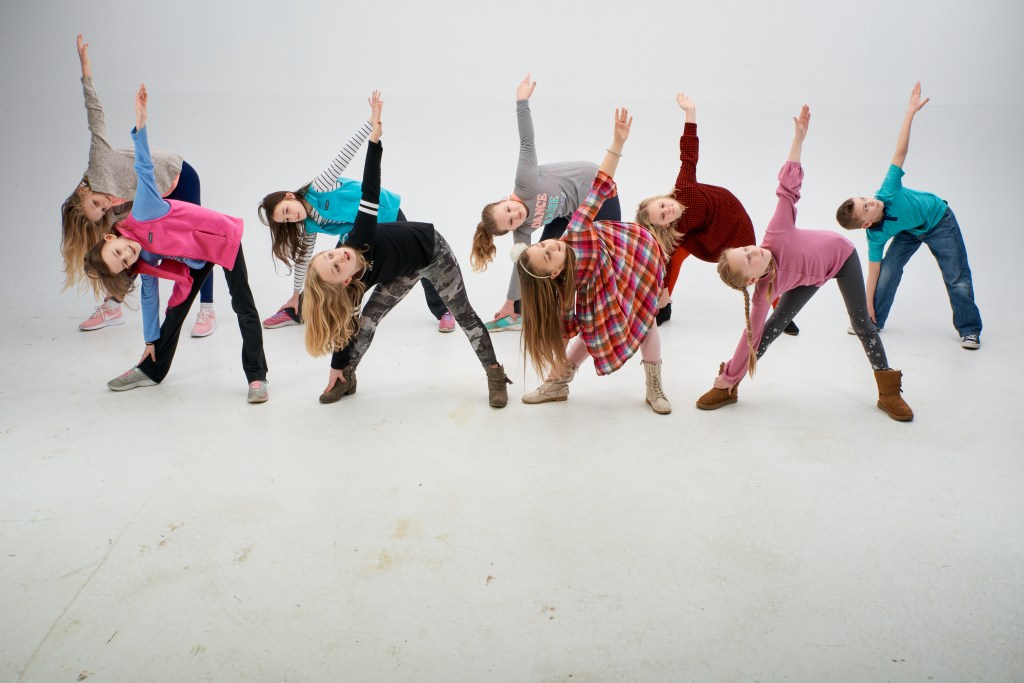
When introducing students to an arts-integrated experience—especially one rooted in dance and movement—it’s essential to begin with etiquette. Establishing a clear and respectful classroom culture not only helps manage energy and behavior but also honors the traditions from which dance emerges. Whether drawn from the royal courts of Europe or the ceremonial circles of global cultures, dance has always been structured, dignified, and deeply connected to social decorum. Without this framing, students may equate movement activities with recess, and your valuable class time can quickly get sidetracked by redirection.
The Power of Tradition and Structure
Dance education draws its strength from cultures around the world. Whether you structure your class around the elegance of ballet, the grounded strength of African dance, the rhythmic play of Latin traditions, or the intricate expression of Asian or Middle Eastern forms, one truth holds: dance begins with respect—for self, for space, and for the group. Structuring your class with a clear beginning, middle, and end honors that heritage. It also gives your students a sense of professionalism and cultural awareness that will serve them far beyond your classroom.
Etiquette in Action: Creating Order and Ownership
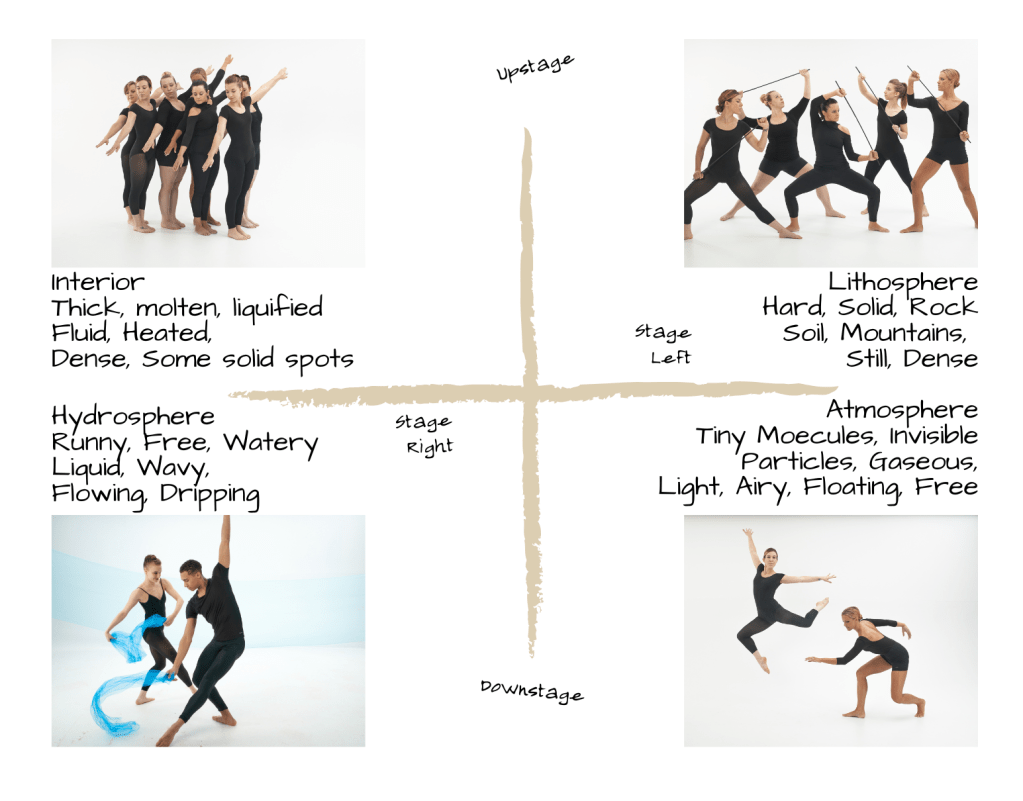
Start with something tangible: assign each student a physical space in the room. This not only supports safety and focus, it also teaches spatial reasoning and math skills if you launch with a Coordinate Plane activity. Reveal the X and Y axes and assign each student a unique ordered pair. Classroom tiles can help them count out their “vertex,” or marked location. In tile-less spaces, painter’s tape works beautifully—clean, temporary, and facilities-friendly.

Having a set “home spot” gives students a clear boundary, reduces chaos, and increases their ownership over the space. They know where to return after group activities or creative exploration, which increases classroom flow and time on task.

“Follow the Leader” and the Power of Warm-Up
Your warm-up is more than just physical preparation—it sets the tone. Movement classes often rely on “call and response” and “follow the leader” formats. Help students understand that when they respond quickly and respectfully, you can guide them through exciting, creative material. But skipping warm-up to get to “the fun part” is a mistake. The axial movement portion (twists, reaches, balances) builds essential strength, control, and stamina. It’s also a time for students to learn that they can do difficult things—a lesson that boosts their confidence and supports their bodies.

Warm-ups also prevent injury. Building endurance, muscle activation, and brain-body connection helps reduce the risk of twisted ankles or coordination mishaps later in class.
Here are five clear and student-friendly rules for dance classroom etiquette:
- Respect the Space – Enter calmly, keep the studio tidy, and treat the floor, mirrors, and equipment with care.
- Listen and Respond – Follow directions the first time, and give your full attention to the teacher and classmates.
- Be Ready to Move – Wear proper attire, remove distractions, and come prepared to participate fully.
- Move Safely – Stay aware of your body and your classmates, keeping enough space to dance without bumping or crowding.
- Encourage and Support – Celebrate effort, kindness, and growth—applaud others as much as you applaud yourself.
Students work best when they have an opportunity to make the classroom rules. Dance etiquette is no exception. The students will follow the rules when they have an opportunity to make them.
Ending with Reverence
Every class should close with a moment of reverence—a respectful, grounding ritual that signals closure. In dance, reverence is more than a bow. It is a moment of appreciation, acknowledgment, and stillness. Create a tradition that allows students to exit the experience with dignity: perhaps a shared gesture, a class breath, a circle affirmation, or a specific stretch sequence to music.
This consistent closure helps students build emotional regulation, gratitude, and reflection. It also models the artistry of a complete experience, teaching them to leave the space the same way they entered: with respect.
When students face coordination challenges or embarrassing stumbles, be their cheerleader. Let them know it’s okay to fumble, freeze, or mix up right and left. That’s part of the process. As dancers say: “Use it.” Just like music includes rests for impact, your class should honor moments of pause and reset. If a student appears overwhelmed, give the entire group 64 counts of music for a recovery moment. It helps normalize growth and invites empathy.

Leave a comment