

Dance is more than just a performance—it’s a powerful tool for learning. When we explore math and science through movement, we begin with the basic building blocks of dance, also known as the elements of dance.
Professional dancers and choreographers study many elements—sometimes more than ten! But for classroom learning, we’re going to simplify these into just three core ideas that are easy to remember and use in academic subjects. These will help us describe, explore, and create movement while deepening our understanding of other subjects.
1. The Body Moves
Our bodies are the instruments of dance. When we move, we use different body parts like:
- Head, arms, elbows, hands
- Back, stomach, legs, and feet
These body parts can make different shapes, such as:

- Straight or curved
- Angular or twisted
- Wide or narrow
- Balanced or unbalanced
Each shape helps us express an idea, solve a problem, or explore a concept in math or science. For example, stretching tall with your arms and legs straight creates a vertical line—just like in geometry!
2. The Body Moves in Space
Next, we think about where and how the body moves in space. Dancers make choices about:
- Place: Are you moving alone, with a partner, or in a group?
- Level: Are you moving high, medium, or low in space?
- Size: Are your movements large, medium, or small?
In science or math, we might use these ideas to explore spatial relationships, symmetry, or motion. For instance, leaping at a high level might represent a force or energy burst, while a small, low movement could show stillness or conservation of energy.
3. Movements Can Be Done in Different Ways
This is where expression and variation come in. Movements can happen with different:

- Speeds: slow, medium, or fast
- Energies: smooth or sharp
These differences help us communicate feelings, explore patterns, or reflect natural phenomena. Think about a slow, smooth reach representing the growth of a plant or a sharp, fast spin showing the reaction in a chemical change.
Why This Matters in the Classroom
By focusing on just a few essential elements of dance, we make it easier for students to jump in, explore ideas, and feel successful. These simplified categories still capture the most important parts of how dancers think and move—and they help students connect physical movement to academic learning in meaningful ways. As students move their bodies, they begin to see patterns, express ideas, and understand concepts from a whole new perspective.
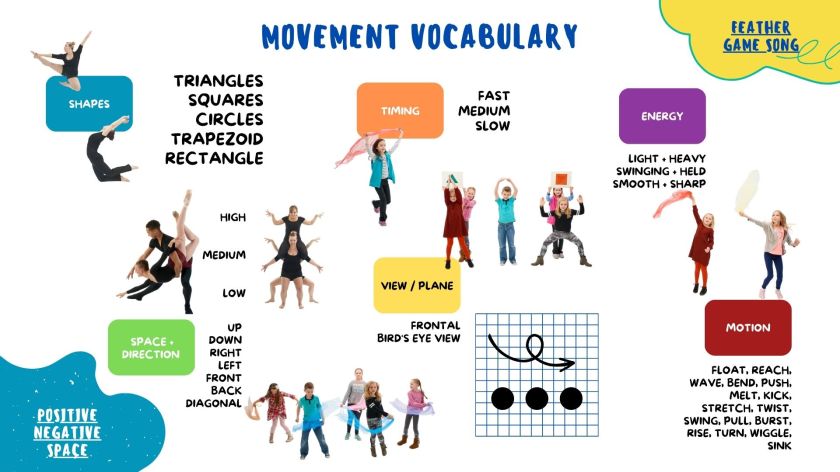
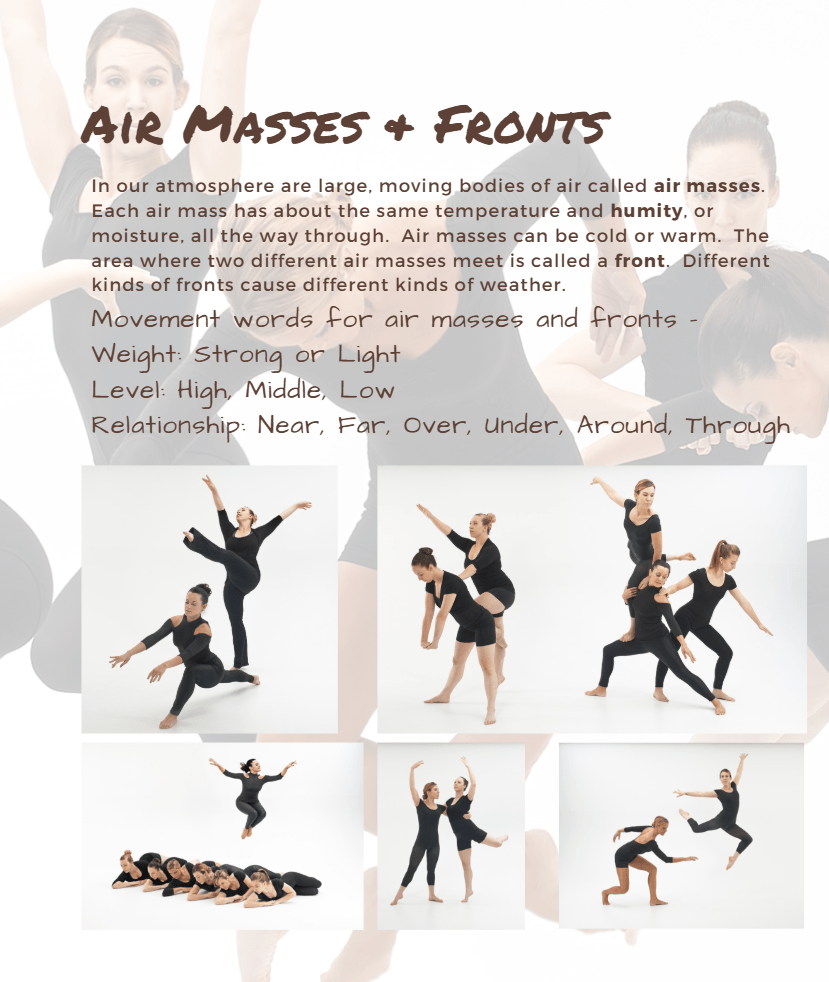
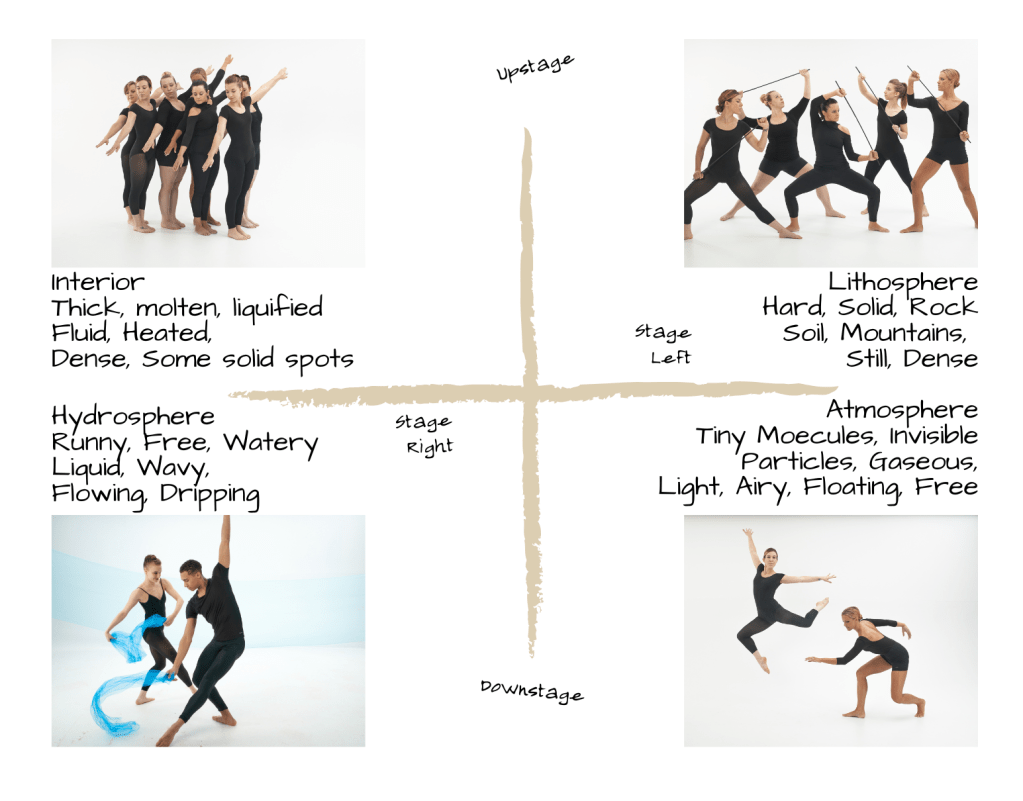
Here is a simplified list of the elements of dance.

Leave a comment