
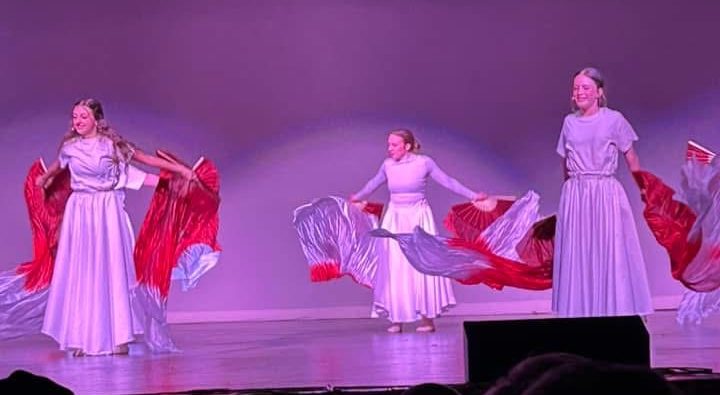
AN EXPLORATION OF BASIC DANCE ELEMENTS WITH AN EMPHASIS ON PERFORMANCE
Students discovered and applied peer led choreography.
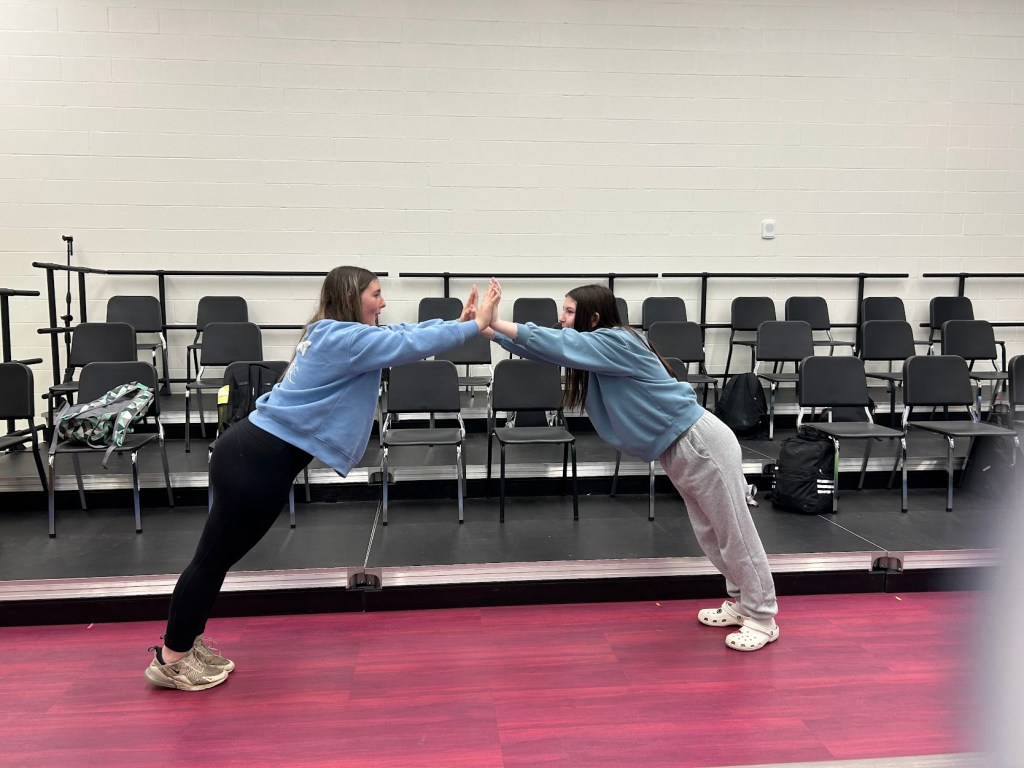
Student Reflections on Learning Basic Dance Elements
During the 2024–2025 school year, students at Cloverleaf Senior High School participated in a dance residency led by Kimberly Jarvis. The Ohio Arts Council’s Teach Ohio Arts Grant provided an exciting opportunity for Cloverleaf High School students to explore the art of dance. Awarded to educator Angela Leonard, the grant has allowed a guest teaching artist to work with students throughout the school year, bringing a new dimension to the school’s performing arts. As part of the experience, students were introduced to foundational dance elements and asked to reflect on how their understanding of dance had evolved. Their comments offer a rich look into how dance education impacted them in areas such as confidence, creativity, coordination, and self-awareness.

Many students shared that learning dance in a hands-on environment helped them better understand the mechanics of movement. Watching someone demonstrate steps before trying them personally made the learning process more approachable. Several noted improved body awareness, posture, and coordination, which extended into other activities like sports, theatre, and singing.
Some expressed initial reluctance toward dance but found themselves enjoying it more as the year progressed, especially when choreography became more dynamic. Students named dances like Footloose and The Wizard of Oz as favorites, citing their energy and movement. Others highlighted how Mrs. Jarvis encouraged them to try new things, helping them overcome discomfort and insecurity.
There was also recognition of dance as an expressive and cultural art form. Students noted a deeper appreciation for how emotion, intention, and discipline are essential to dance. While a few students questioned dance’s role in choir, most agreed it developed skills useful beyond the classroom—confidence, teamwork, and resilience.
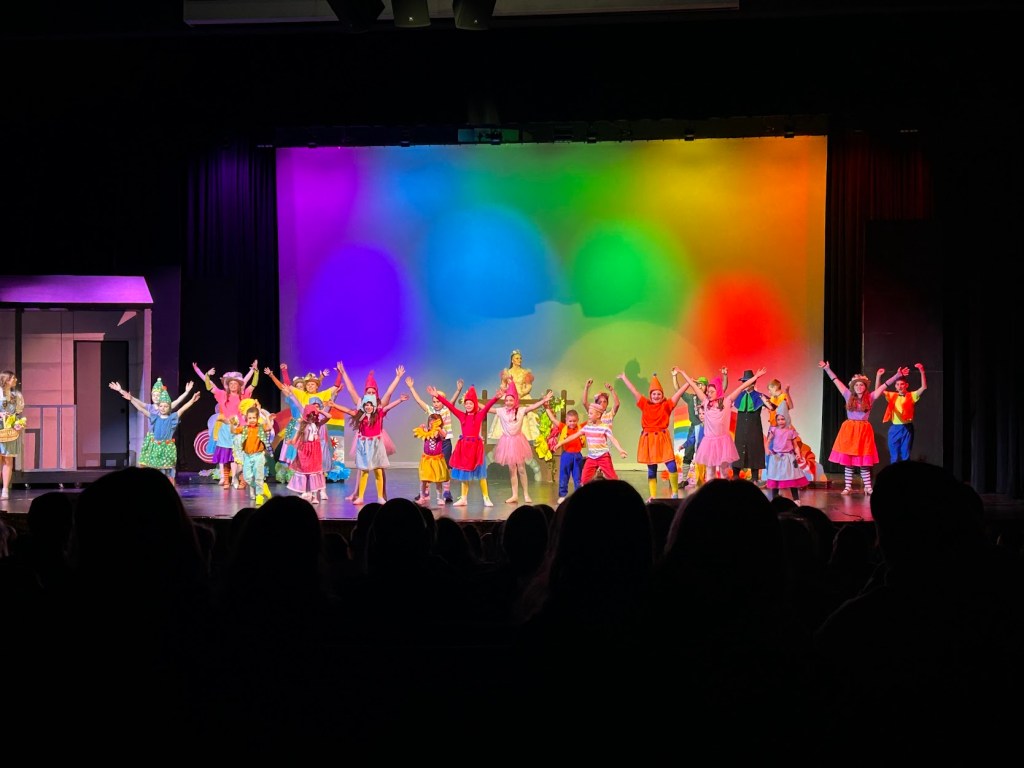
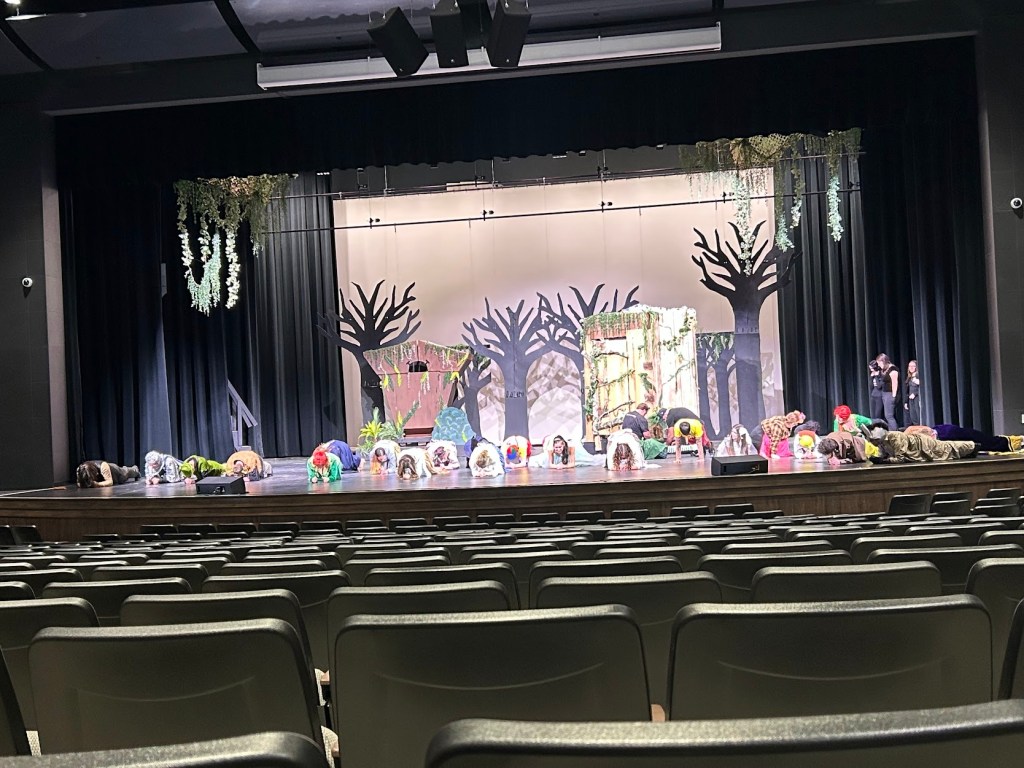
Growth in student accountability and reflection took place within the exciting context of a brand-new school building, complete with a state-of-the-art theater. Throughout the year, students had the opportunity to perform in this new space for a variety of audiences, including community events, elementary school visits, and middle school outreach programs. They presented three concerts and staged three sold-out performances of the school musical, which marked a milestone by filling every seat in the new theater. These public performances not only showcased the students’ artistic development but also reinforced the importance of preparation, collaboration, and personal responsibility. The experience of performing in a professional-quality venue deepened their understanding of the fine arts and helped them recognize their role in contributing to the broader school and community culture.
In summary, the dance residency helped shift perceptions: dance was no longer “just movement,” but a valuable and expressive tool for learning and self-growth.
Transferable Skills From Dancing

In the beginning of the school year the Majority (26 of 52) believed dance provided transferable skills. That’s 50%. Significant portion (22 of 52) are unsure and the Minority (4 of 52) explicitly disagree.
By the end of the school year the majority view (over 80%) sees dance as developing valuable, transferable skills. A minority expresses doubt or skepticism about the applicability of those skills in broader career contexts.
Connecting
At the start of the year, most students were still developing an awareness of how movement connects with body health and efficiency. While a few already considered these factors during warm-ups, many responses showed minimal focus or only occasional thought about these concepts. There was a mix of uncertainty and lack of prioritization, indicating that the idea of intentional, mindful movement had not yet become a regular habit for the group as a whole.
By the end of the year, there was a noticeable shift. A clear majority now reported regularly considering their body’s health and movement efficiency during warm-ups. Only a small number continued to express limited focus or occasional thought. This suggests a significant growth in body awareness and a stronger understanding of the purpose behind movement preparation. The responses reflect a more consistent, thoughtful approach to movement, showing meaningful progress over the course of the year.
At the beginning of the year, a strong majority of students (64%) recognized that making connections between dance styles helped them appreciate different cultures and histories. However, 16% of students did not see the importance of these connections. By the end of the year, the percentage of students who recognized and valued these connections increased by 12%, rising to nearly 76%. This shift suggests that over the course of the year, more students developed a deeper understanding of how dance can reflect and connect diverse cultural perspectives.
Responding
At the beginning of the year, student reflections revealed a wide range of perspectives on self-accountability in the fine arts. A significant number of students (around 40%) had not yet considered the role of self-accountability in their artistic growth. Others (about 30%) indicated they primarily relied on external feedback with limited self-direction. Roughly 30% reported that they consistently practiced and reflected on areas for improvement, demonstrating a strong sense of self-motivation and awareness. Overall, the responses showed that many students were still developing independent habits of reflection and ownership in their learning process.
By the end of the year, more students reported consistently practicing and reflecting on areas for improvement, with about 60% selecting that statement. The number of students who had not thought about self-accountability dropped significantly, and most of those who previously relied mostly on external feedback appeared to shift toward more self-directed habits. While some still depended on others for guidance, the overall shift suggests meaningful growth in student responsibility and self-awareness. This change indicates that, over time, students became more engaged in their own learning process and more aware of how self-reflection supports growth in the fine arts.
Performing
At the beginning of the year, 26 out of 56 student statements (46%) indicated, “I don’t usually plan out the intent behind my movements,” while 19 students (34%) stated, “I focus more on my technique than expressing my intent.” Only 11 students (20%) expressed, “I focus on ensuring every movement conveys my intended meaning.” By the end of the year, the number of students who prioritized meaning in their movements rose significantly to 28 out of 57 statements (49%). Meanwhile, those who focused more on technique slightly decreased to 21 students (37%), and those who did not usually plan their intent dropped to 11 students (19%). This shift demonstrates meaningful progress: students moved from being mostly focused on technique or unintentional movement to nearly half intentionally conveying meaning through their choreography. The data reflects growth in both self-awareness and expressive skill over the course of the year.
Creating
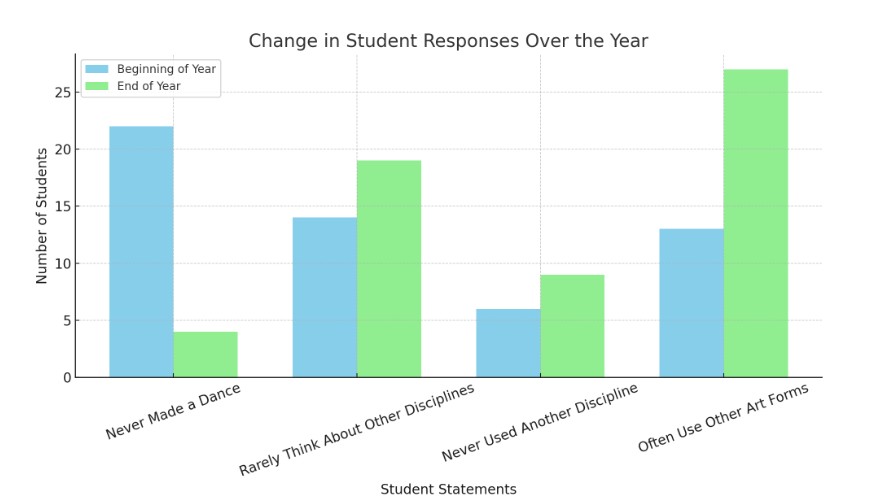
Here’s a visual comparison of student responses at the beginning and end of the year. The chart highlights a significant drop in students who had never made a dance and a noticeable rise in those who often use other art forms for inspiration, indicating creative and interdisciplinary growth.
Have you ever created a dance inspired by a specific culture or historical period?
| Response | Beginning of Year | End of Year | Change |
|---|---|---|---|
| Yes – Studied culture/history and used it in movement | 3 students (5%) | 20 students (36%) | +17 students (+31%) |
| No, but I would like to learn how to do this | 32 students (58%) | 25 students (45%) | –7 students (–13%) |
| No, I only focus on social styles I see in public | 20 students (36%) | 10 students (18%) | –10 students (–18%) |
| Total Responses | 55 | 55 |
Summary of Change:
- A notable increase in students who successfully created culturally/historically inspired dances (+31%).
- A moderate decrease in students who were curious but hadn’t yet tried it (–13%).
- A significant decline in students focused solely on public/social styles (–18%).
This comparison shows clear progress toward deeper, more intentional choreography and cultural engagement over the school year.
Purposeful Choreography
At the beginning of the year, 40% of students had never tried using dance to express emotion, and only 40% reported using clear movements with intention. The rest relied on trial-and-error or focused on technique without emotional clarity.
By the end of the year, only 9% had never attempted emotional or intentional choreography—a dramatic 31% improvement. Meanwhile, over half the students (56%) expressed confidence using clear, purposeful movements, showing growth in both expressive confidence and creative intention. Additionally, more students began to reflect on their technical choices, signaling greater self-awareness and artistic maturity.
Creating Choreography
| Response Type | Beginning of Year | End of Year | Change |
|---|---|---|---|
| Used clear movements to show intention | 22 students (40%) | 31 students (56%) | +9 students (+16%) |
| Repeated random movements until something felt right | 9 students (16%) | 9 students (16%) | No change |
| Focused on technical ability, not emotion | 2 students (4%) | 11 students (20%) | +9 students (+16%) |
| Never created a dance to express emotion or intention | 22 students (40%) | 5 students (9%) | –17 students (–31%) |
| Total Responses | 55 | 56 |
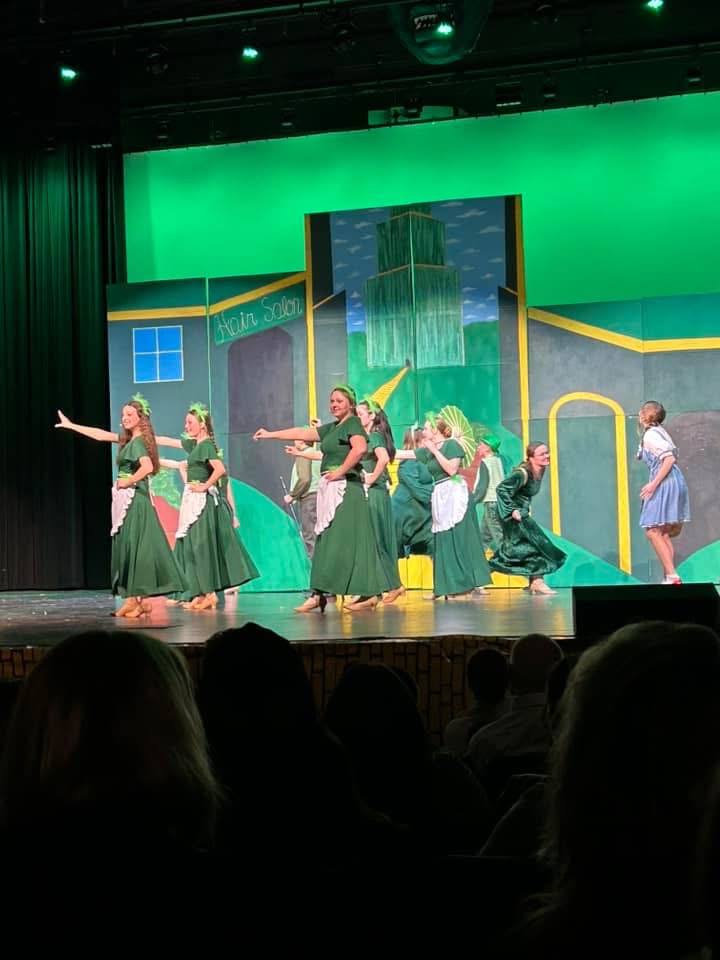

The residency, made possible by the Ohio Arts Council, enabled a growing recognition of dance as an expressive and cultural art form. At the start of the year, only a small number of students had ever created dances inspired by culture or emotion. By the end of the residency, the number of students who studied cultural or historical backgrounds and incorporated them into their movement more than doubled. Likewise, students who had never created a dance to express an emotion dropped significantly—from 40% down to just 9%—while those using clear movement to show intention increased by 16%. These shifts show measurable growth in students’ capacity for creative expression and critical thinking.
While a few students questioned dance’s role in choir or their daily lives, most acknowledged its broader impact. They reported gains in confidence, collaboration, and resilience—skills that reach far beyond the stage. In summary, the dance residency helped shift perceptions: dance was no longer “just movement,” but a valuable and expressive tool for learning and self-growth.

Leave a comment