
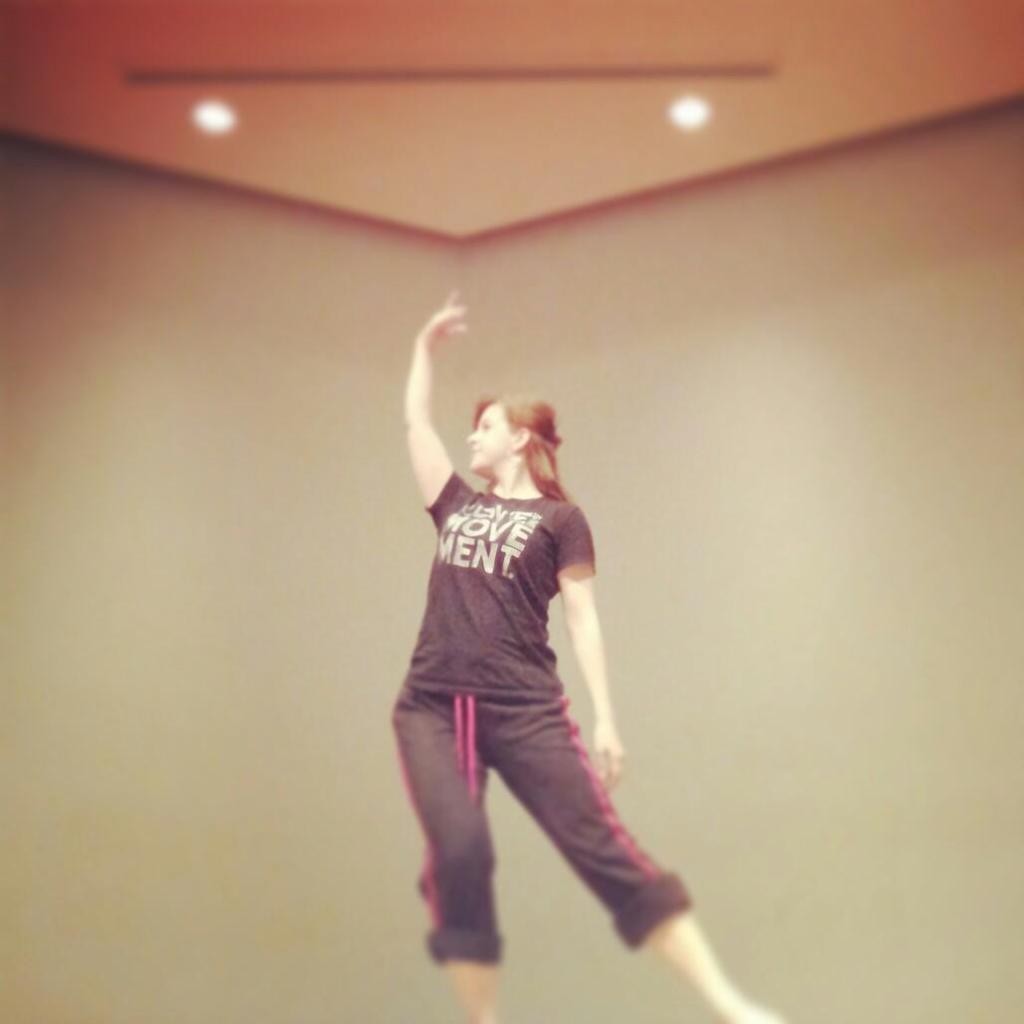
Years ago, while studying at the University of Akron, I had the privilege of attending a workshop led by Anne Green Gilbert. Her presentation on movement integration didn’t just inform me—it captivated me. Since then, I’ve incorporated Brain Dance (what she now calls her approach) into classrooms across Ohio, and I continue to be amazed by its transformative power.
Brain Dance is a simple, playful sequence of movement patterns designed to support the brain-body connection. Created by Anne Green Gilbert, this practice draws from the natural reflexes and developmental movements we all make in our first year of life—movements that help “wire” the nervous system and prepare us for lifelong learning.
By revisiting these movement patterns, Brain Dance offers both children and adults a chance to strengthen their neurological foundations. It’s not just about coordination—it’s about integration. These movements can round out gaps in development that may be the result of early trauma or stress, helping individuals feel more grounded, alert, and whole.
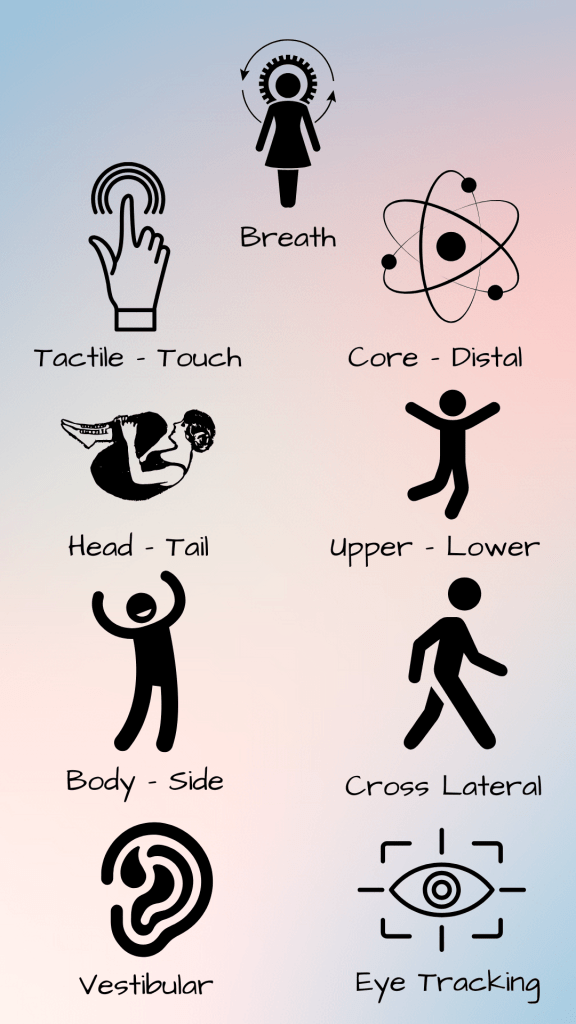
There are eight core movement patterns in Brain Dance:
1. BREATH
Start with a few deep breaths in through the nose, out through the mouth.
Why? Deep breathing oxygenates the brain, calms the nervous system, and brings awareness to the body—perfect for transitions or morning routines.
2. TACTILE
Squeeze, tap, brush, or pat the skin—from head to toe.
Why? Touch activates sensory processing and body awareness. It can help students self-regulate and prepare for focus.
3. CORE-DISTAL
Curl into a ball, then stretch out wide—repeat a few times.
Why? This movement supports body organization, personal space awareness, and emotional expression.
4. HEAD-TAIL
Move the head and pelvis in opposite directions. Add gentle spinal sways or shakes.
Why? These actions help organize the spine and support attention, posture, and central nervous system functioning.
5. UPPER-LOWER
Keep the lower body still and move the arms, then reverse.
Why? These isolations help students understand boundaries and improve gross motor coordination.
6. BODY-SIDE
Keep one side of the body still while moving the other—then switch.
Why? This pattern supports brain lateralization, decision-making, and balance.
7. CROSS-LATERAL
Move opposite limbs together—e.g., left elbow to right knee.
Why? Cross-lateral movements integrate the two brain hemispheres and support reading, writing, and problem-solving.
8. VESTIBULAR
Incorporate spins, balances, or movements that challenge equilibrium. Then return to stillness with deep breaths.
Why? These movements enhance spatial awareness and sensory integration—key for emotional regulation and focus.
The beauty of Brain Dance is that it’s flexible. You can find many versions online, or create your own sequence based on these eight patterns. Whether used as a classroom warm-up, a reset for overstimulated kids, or a quiet moment of self-care, Brain Dance brings us back to center—body, brain, and breath.
🔄 How to Use It in School
- Encourage students to co-create their own Brain Dance sequences!
- Start the day with a 5-minute Brain Dance warm-up.
- Use it between lessons as a brain break.
- Pair it with music, storytelling, or thematic content.
- Adapt it for seated students or those with mobility needs.
Brain Dance is more than a movement routine—it’s a tool for cultivating attention, self-awareness, and readiness to learn. It invites students to be present in their bodies and minds, and empowers educators to foster inclusive, sensory-informed learning environments.
Want to give it a try? Start with a few deep breaths, give yourself a gentle pat-down, and see where the dance leads you.
#BrainDance #MovementMatters #Neurodevelopment #AnneGreenGilbert #OhioArtsEducation #SomaticLearning

Leave a comment