
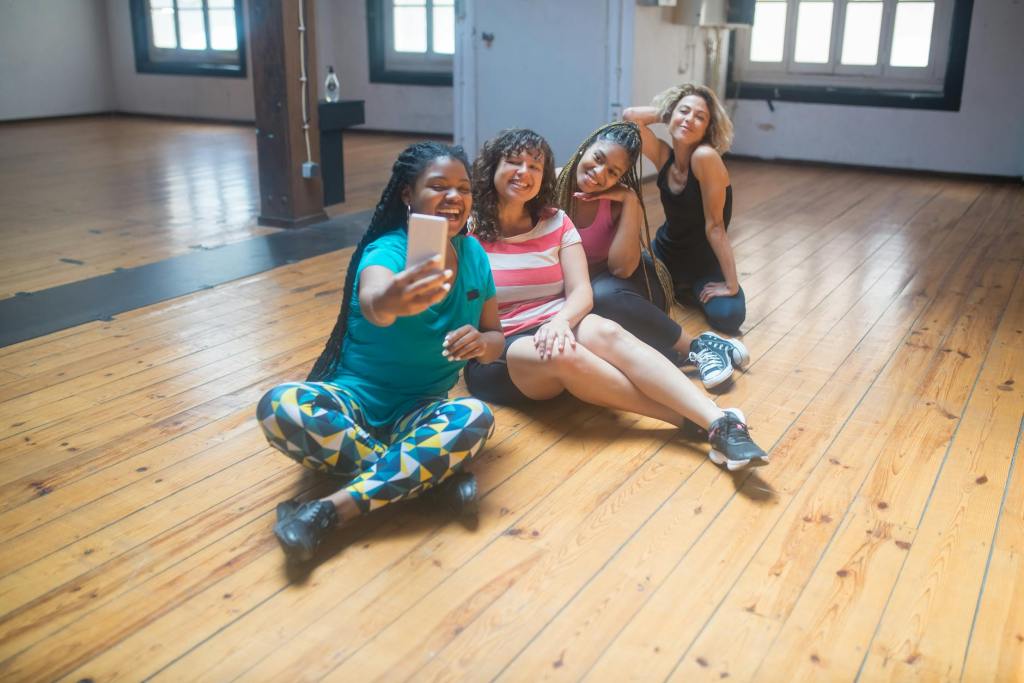
In the ever-evolving landscape of healthcare, there’s a growing recognition that well-being isn’t solely dependent on medical interventions. Enter social prescribing, a practice gaining momentum among community health professionals and social workers, offering a novel approach to holistic health.
Social prescribing deviates from traditional referral processes by introducing a crucial element: the “link worker.” These dedicated individuals serve as accountability coaches, delving into the unique needs and interests of clients before forging connections with local organizations. These connections span volunteer groups, cultural institutions, and various community resources.
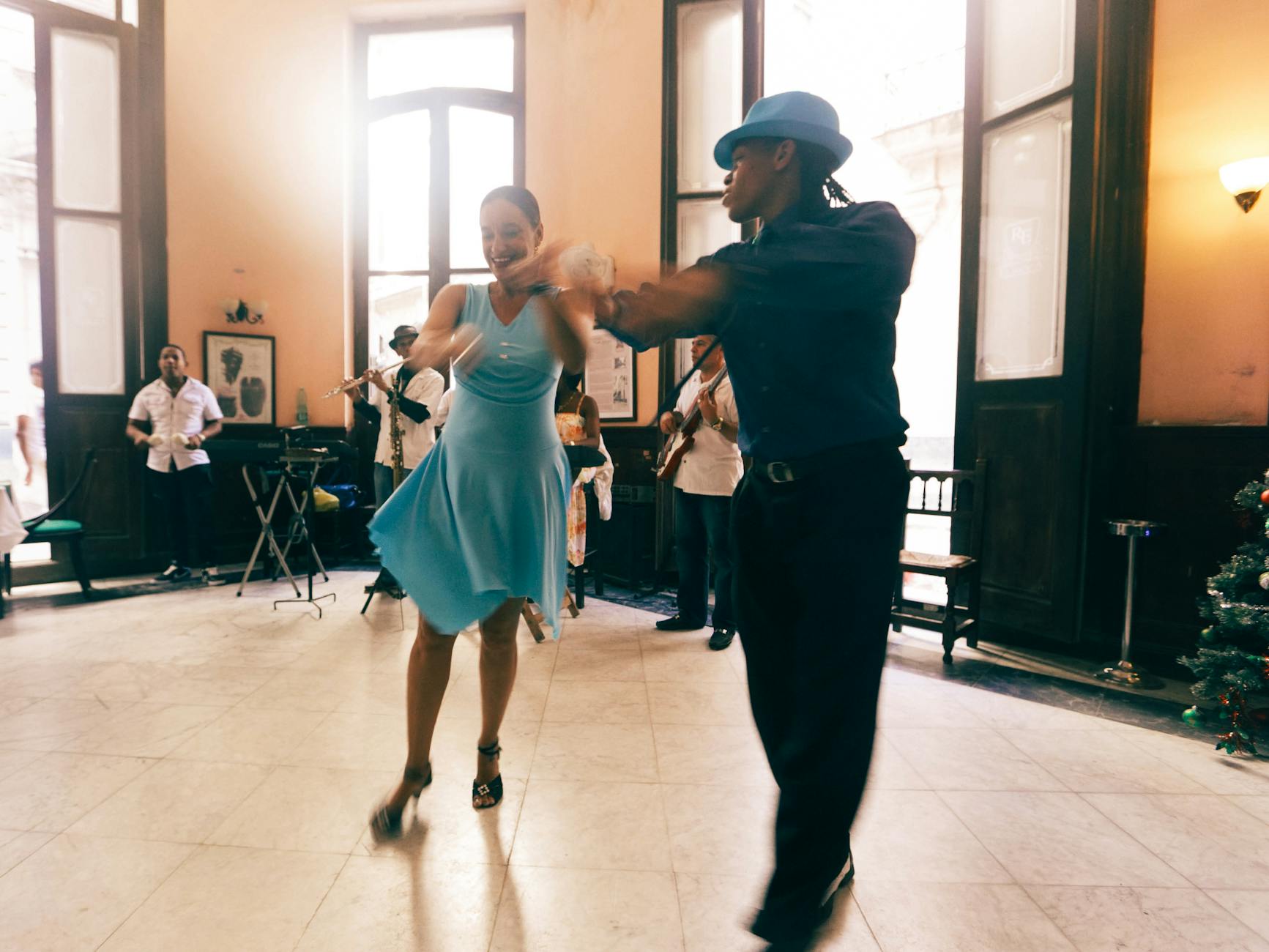
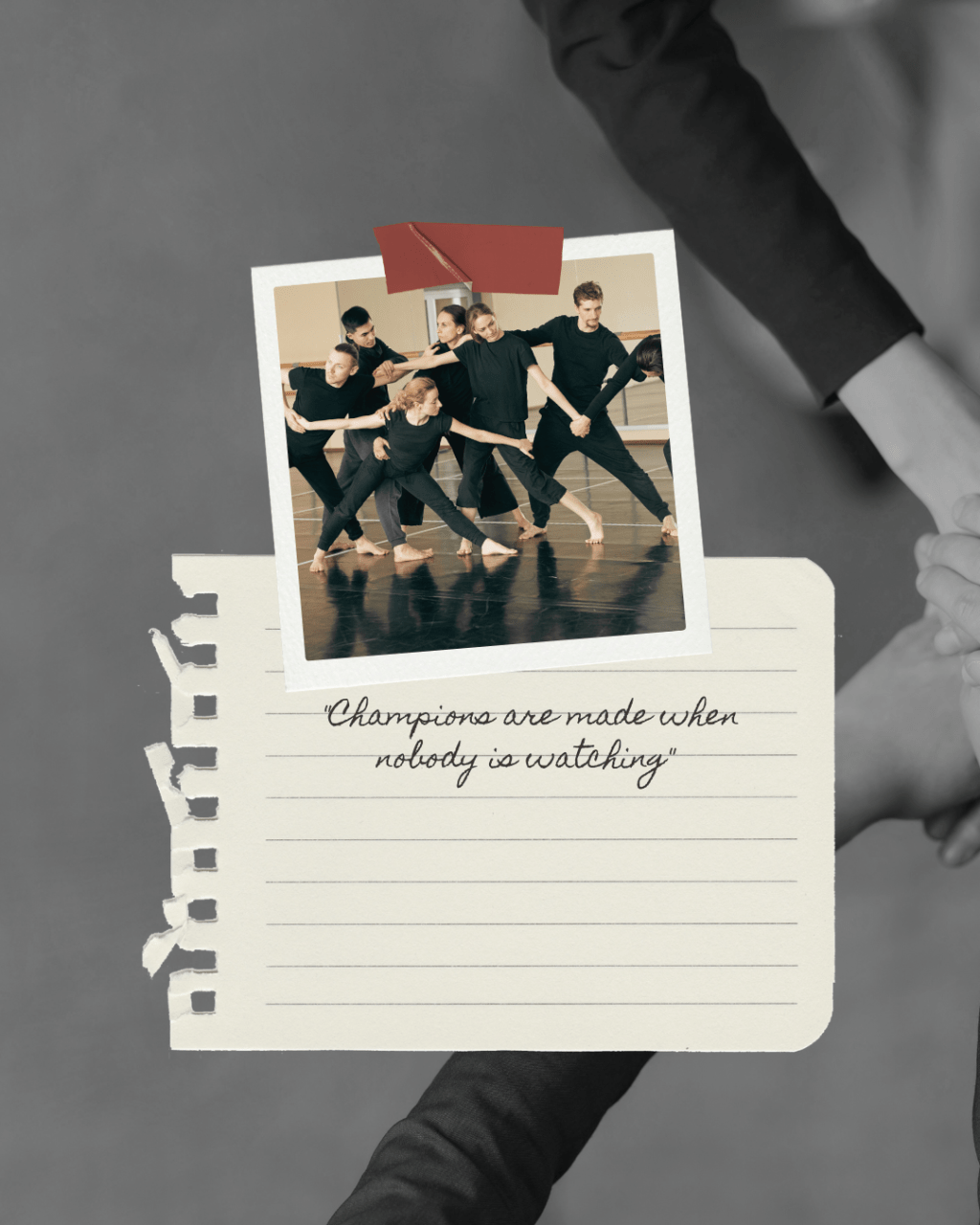
The concept isn’t confined to theory; it’s actively transforming patient care. At the Cleveland Clinic, physicians are prescribing unconventional remedies such as nature walks, volunteering, and even ballroom dancing to geriatric patients. Dr. Sonke, speaking to The New York Times, encapsulates the philosophy succinctly: “It’s about everyone having access to wellness and prevention.”

Moreover, universities are embracing social prescribing to bolster student mental health services. Stanford University and Rutgers University-Newark are pioneering this approach, prescribing arts and cultural activities to students. At Rutgers, students can immerse themselves in cultural events in Newark, thanks to a partnership with the New Jersey Performing Arts Center. They can attend arts events free of cost. Meanwhile, Stanford directs students to campus happenings like concerts, art exhibitions, and specialized classes, facilitated by Art Pharmacy, a startup based in Atlanta.
The initiative has garnered attention from mental health advocates like Christina Caron, a reporter at The New York Times. Her coverage underscores the profound impact of social prescribing in broadening access to wellness resources. Check out her article Take this Dance Class and Call Me in the Morning.
In essence, social prescribing represents a paradigm shift in healthcare, emphasizing collaboration between medical professionals, community organizations, and individuals themselves. By recognizing the intricate interplay between social connections, cultural engagement, and overall well-being, social prescribing paves the way for a healthier, more interconnected society.

Leave a comment