

This week the students at Cloverleaf Middle School experienced an arts integration lesson that combined science with the art of dance. The lesson centered around a three-step process that engaged students in exploring scientific concepts through movement.
Step One: Scientific Observation
Students studied the painting Imperfect Perfection by Francisko. They discussed the shapes they saw, the colors, and the background. They also talked about the way the artist might have created the painting. Their ideas were that Francisko might have dipped a straw into paint and then pressed it onto the painting. They thought he dabbed paint brushes and rotated the brush to pivot around a vertex to make smooth colorful circled bubbles.

Imperfect Perfection by Francisko, New York
Step Two: Movement Improvisation
Drawing inspiration from artwork by Francisko, students tried out brainstorming in action by using movement improvisation to discover what the motions to make the painting might have looked like. From pressing and twisting to brushing smooth circles, they explored the artistic potential of their bodies, mirroring the fluidity and dynamism of the teaching artist.
Step Three: Choreographic Creativity
Building upon their improvised movements, students tried out choreography. The group picked their favorite pressing, rotating, brushing, pivoting, turning, and shimmering movements and placed them in sequenced order to showcase the best moves.
Choreography: A Dance Plan with Set Movement Choices
The results were truly remarkable. Initially hesitant to embrace improvisation, students soon found liberation in the freedom of expression it offered. By crafting their own choreography and experiencing the physical effects of their movements firsthand, they gained a deeper appreciation for both the art form and the science behind it.
How would the choreography change if…
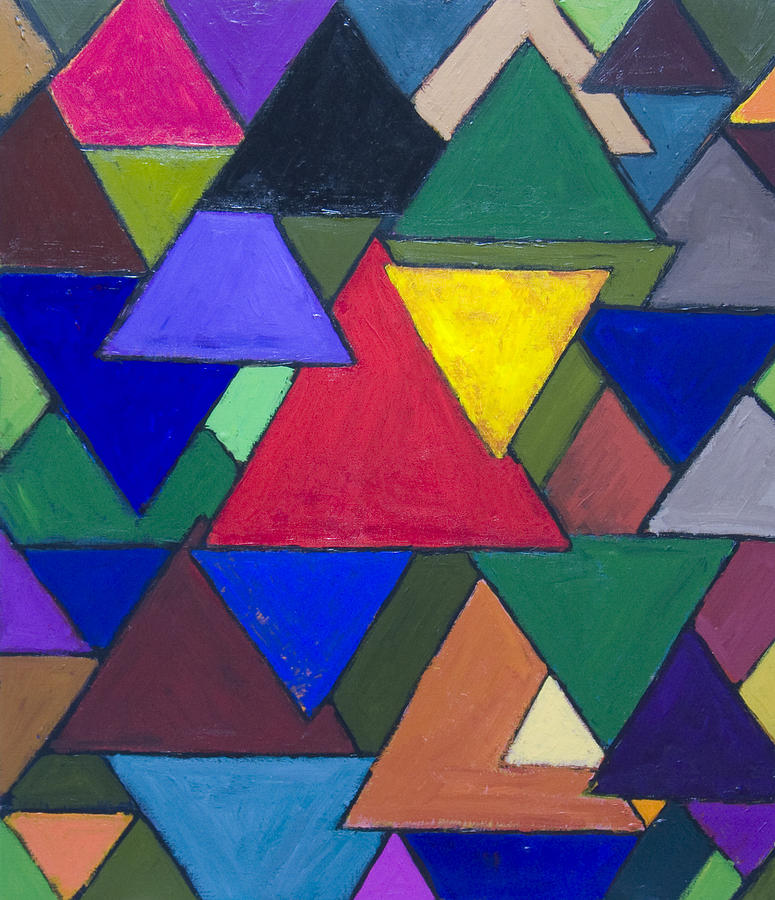
- We used the triangle painting
- Drawing Lines
- Turning Sharp Angles
- Layering in the Background
- We changed the timing (music tempo)
- We changed the energy (Light or Heavy)
Triangular Colorful Invaders by Kazuya Akimoto, Tokyo
After experimenting with the movement the students sat down and took a deep breath. Instructors asked students to take their pulse or feel their heart beating in their chest, then introduced the science questions.
Science Follow-Up Questions
- What did you notice or feel in your muscles during the exercise that might be related to the production of lactic acid?
- How do you think understanding lactic acid buildup can help you improve your performance in sports or physical activities?
- What did you learn from this activity about the importance of having a strong heart muscle for our overall health and physical abilities?
- How do you think activities like the one we just did help to make our heart muscle stronger over time?
Students recalled the burning sensation in their calves from sustaining tall motions reaching up to make the top of the brushed circles. They talked about the fatigue after trying the dance to the fast song and they worked together to make the connections between the movements they did and the life science facts for the cardiovascular system and musculoskeletal systems.
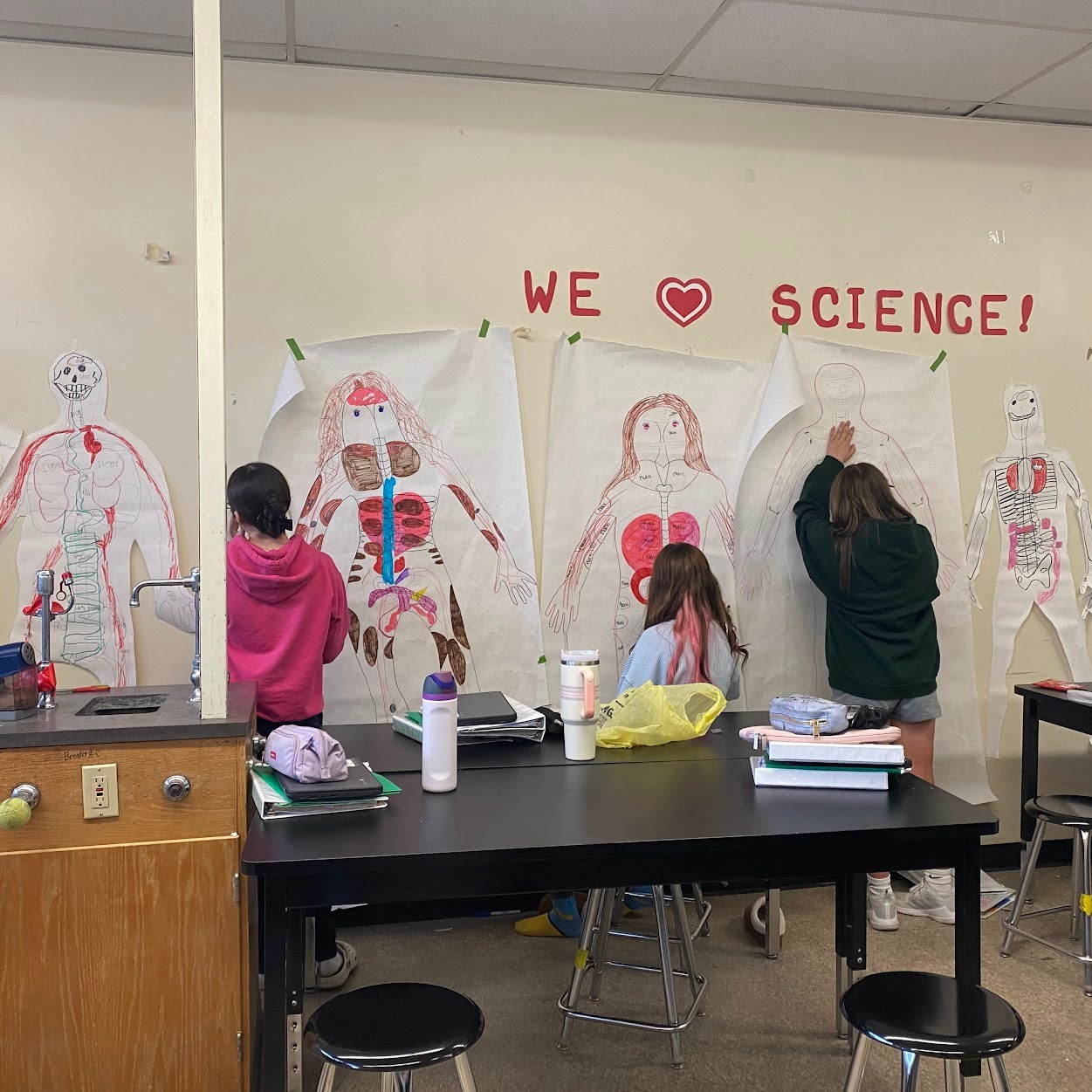
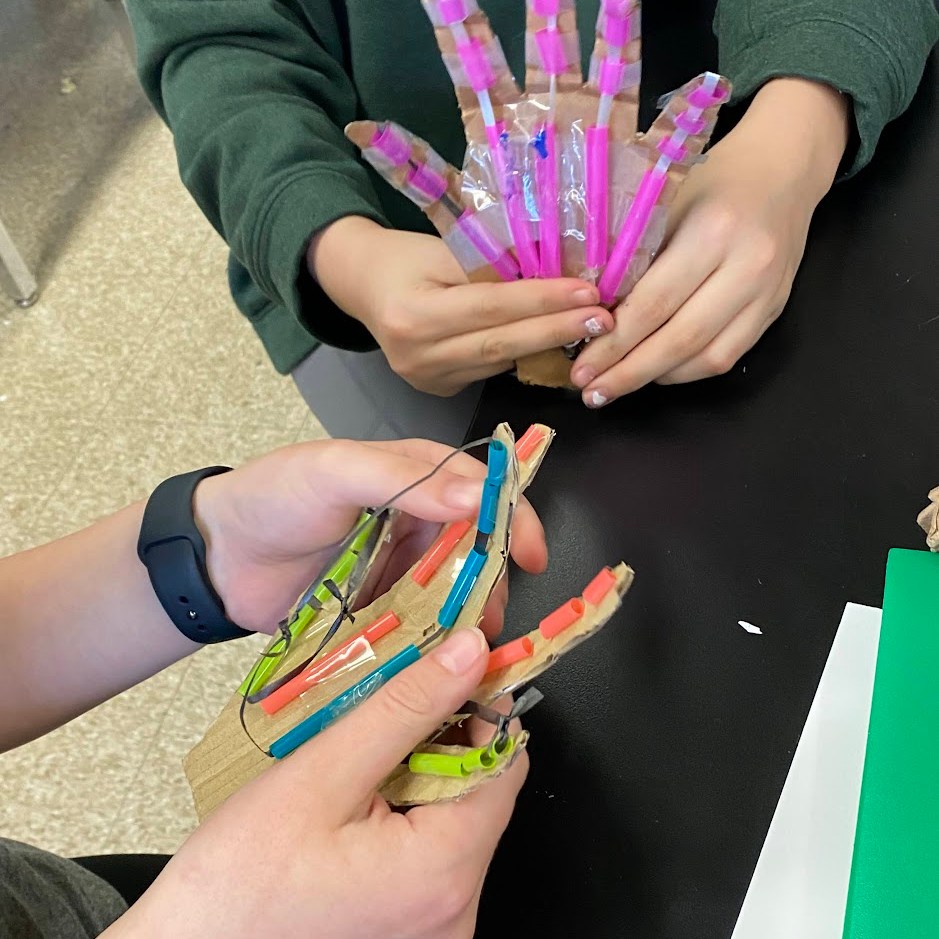
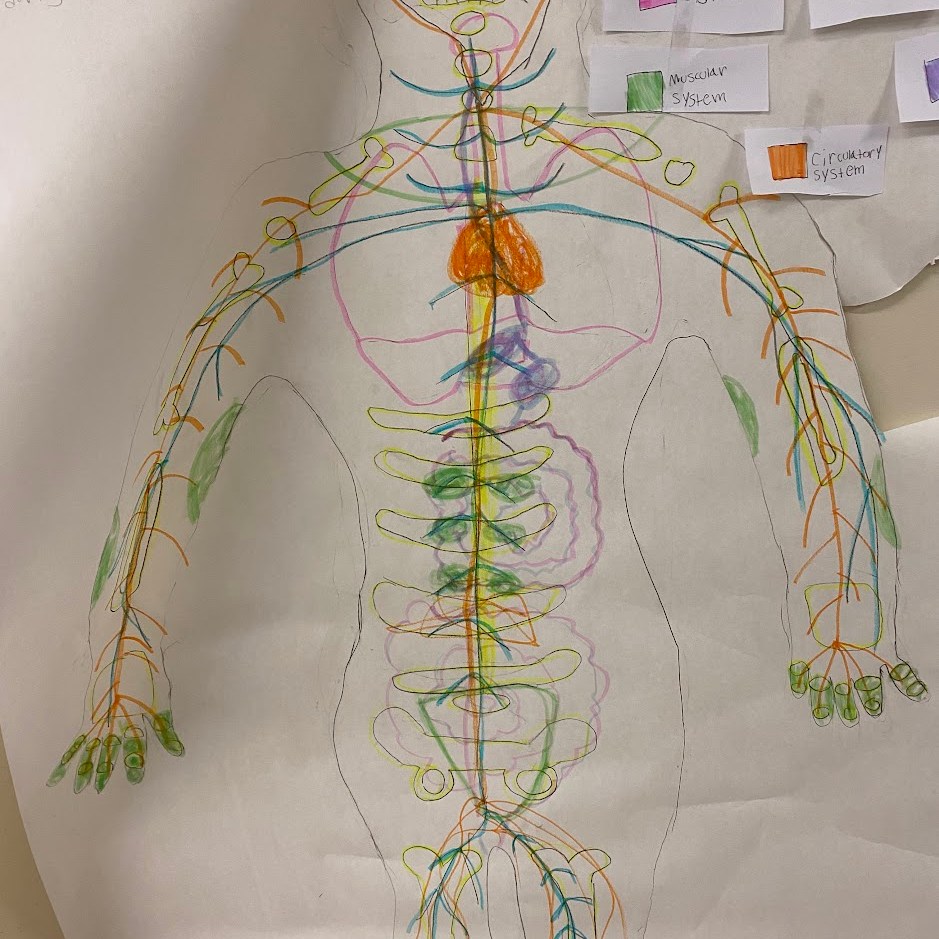
At the end of the session, the classroom shifted toward their final unit projects. Several students worked on drawing the systems of the body and creating robotic hands to further explore tendon, ligament, the muscle connection with flexion and relaxation.
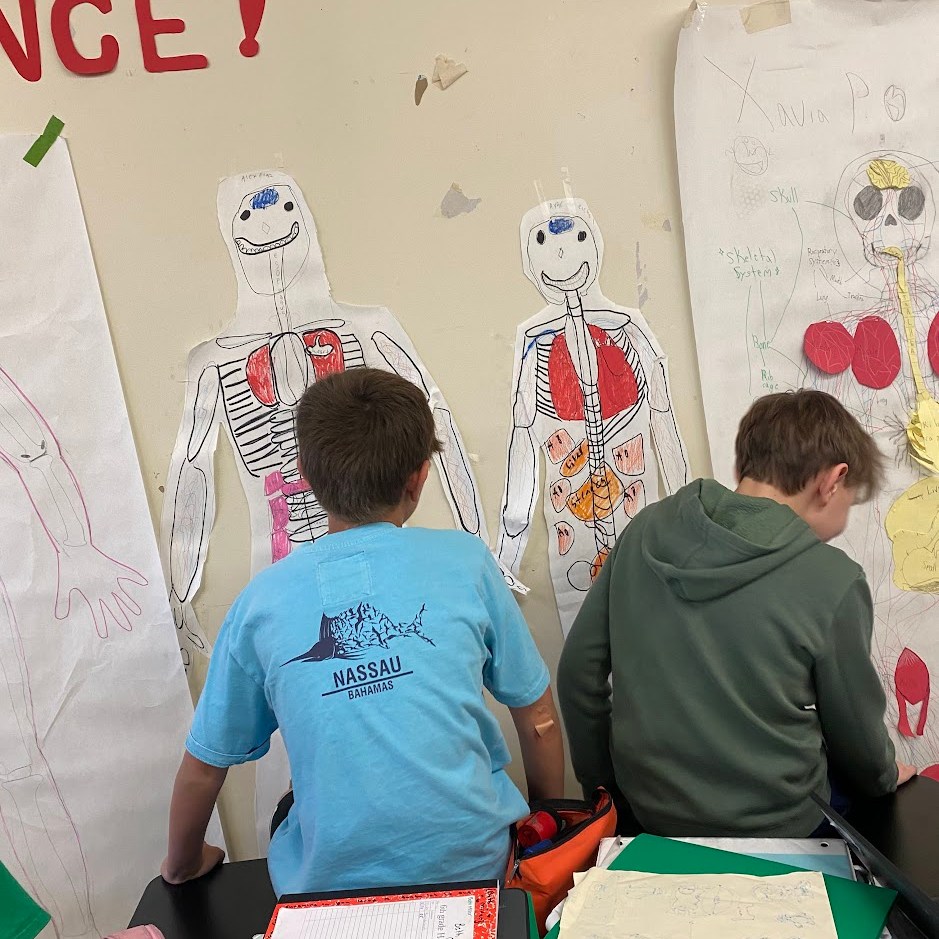
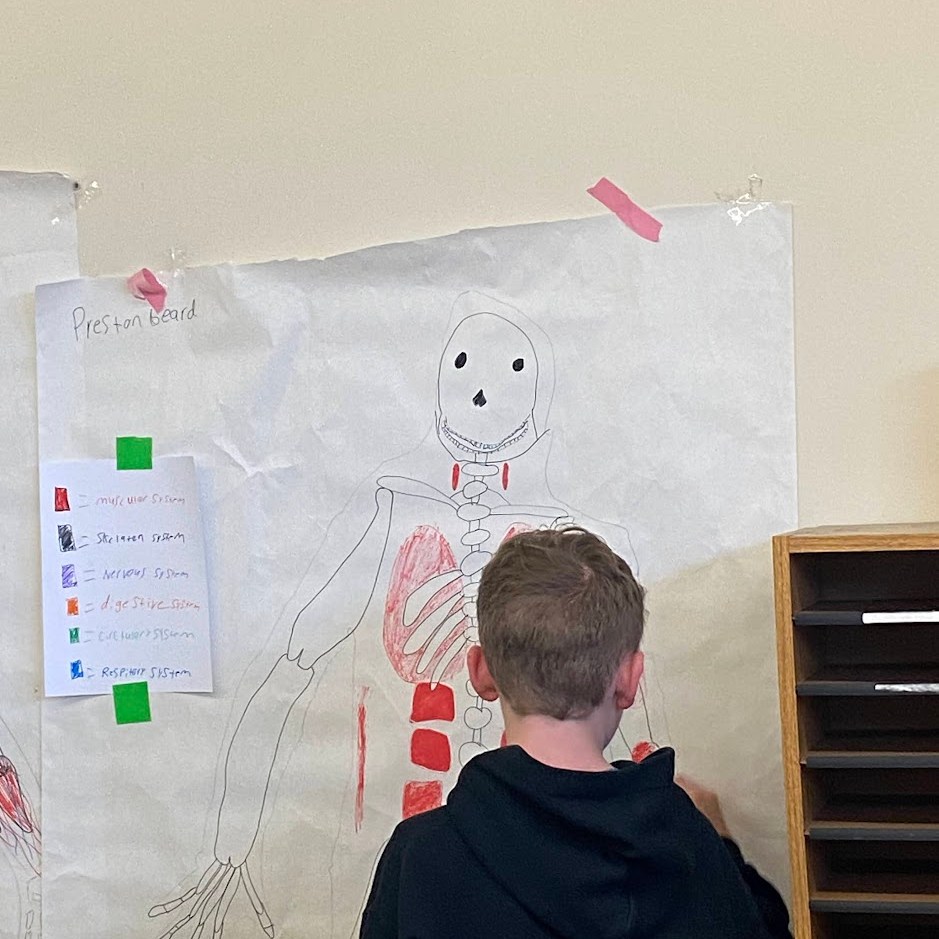
As educators, we constantly seek innovative ways to engage our students and foster a love for learning across disciplines. This simple and fun lesson exemplifies the power of interdisciplinary education, demonstrating how the fusion of science and dance can spark curiosity, ignite creativity, and deepen understanding.
I encourage you to consider integrating similar approaches into your curriculum, whether through collaborative projects with art teachers or interdisciplinary units that bridge the gap between subjects. By embracing interdisciplinary learning, we can cultivate well-rounded students who are equipped with the skills and knowledge to thrive in an ever-changing world.
This lesson was made possible by a generous grant from the Ohio Arts Council. For more information about integrating dance into academics please contact us at info@artsmore.art.

The lesson was inspired by Kylie Murray, a Teaching Artist with the Kennedy Center and Kimberly Jarvis, a Teaching Artist with the Ohio Arts Council added additional science explorations.

Leave a comment