

Teaching artist residencies can be transformative experiences for both students and schools. They offer a unique opportunity to infuse creativity and artistry into the educational journey. However, planning and executing these residencies require careful consideration and a well-structured approach. In this blog post, we’ll outline five essential steps to help you plan successful teaching artist residencies.
1. Assemble Your School Advocates
The first step in planning a teaching artist residency is building a strong school advocate team. This team should include key stakeholders such as school administrators, arts teachers, and at least one teacher from each academic subject matter you’d like the teaching artist to collaborate with. You ensure that the residency aligns with your school’s goals and curriculum by involving a diverse group of educators.
Each member of the team brings a unique perspective to the table, ensuring a holistic and integrated approach to the residency. Administrators can provide logistical support, arts teachers can offer expertise in creative disciplines, and academic teachers can help bridge the gap between art and core subjects.
2. Discover an Engaging Theme
The success of a teaching artist residency often hinges on selecting an engaging and relevant theme for students to explore. It’s essential to involve students in this decision-making process to ensure their enthusiasm and engagement. Consider themes that can be approached from various angles, allowing students to explore the subject matter comprehensively.
For example, if your goal is to explore history through the arts, you might choose a theme like “Revolution and Change.” This theme can be dissected through visual arts, music, dance, and theater, providing students with a well-rounded perspective.
3. Interview Teaching Artists
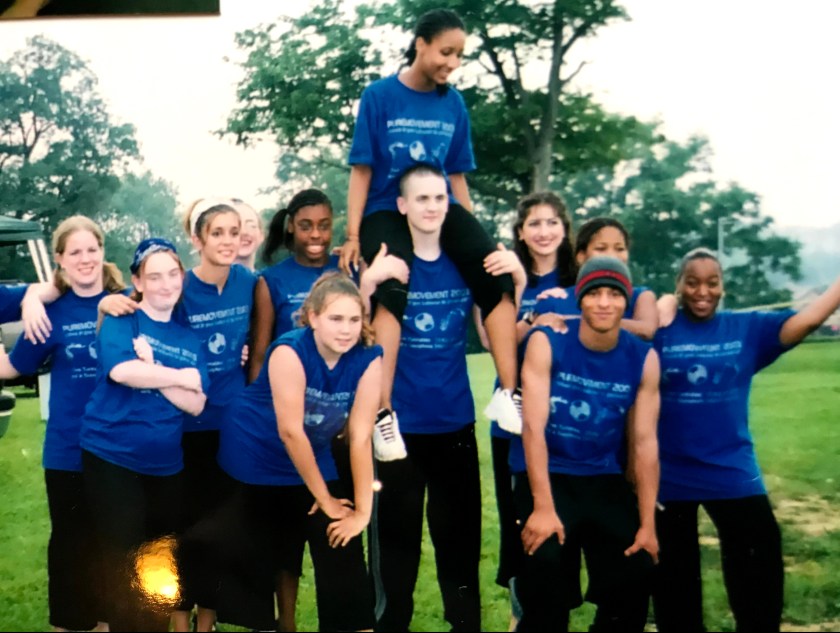
Finding the right teaching artist or artists for your residency is crucial. Conduct interviews with potential candidates to assess their qualifications, teaching styles, and compatibility with your school’s goals. It’s essential to look for artists who not only possess artistic expertise but can also effectively communicate and engage with students of different ages and backgrounds.
You may discover that a team of teaching artists is the best approach, allowing for a multidisciplinary exploration of your chosen theme. Collaboration among artists can lead to richer and more diverse student learning experiences.
4. Involve the Community
Teaching artist residencies can have a profound impact not only on students but also on the wider community. Encourage community involvement by inviting parents, local artists, and community leaders to participate in or witness the creative process. Hosting open houses, exhibitions, or performances can create excitement and support for the arts within your community.
Additionally, consider partnerships with local cultural organizations or businesses that can provide resources, funding, or venues for showcasing student work. A strong community connection can amplify the impact of the residency and provide lasting benefits for all involved.
5. Share the Experience
Finally, don’t forget to celebrate and share the outcomes of your teaching artist residency. Keep your grant funders, sponsors, and the community informed about the progress and achievements of the program. Showcase student works through exhibitions, performances, or publications to demonstrate the value of arts education.
Document the journey through photos, videos, and testimonials from students and educators. This not only highlights the success of the residency but also serves as a valuable resource for future funding and support.
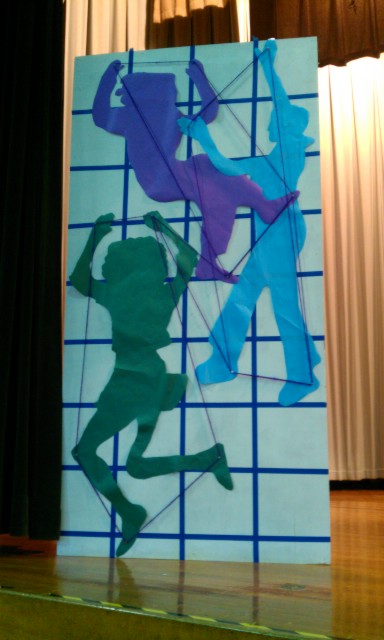
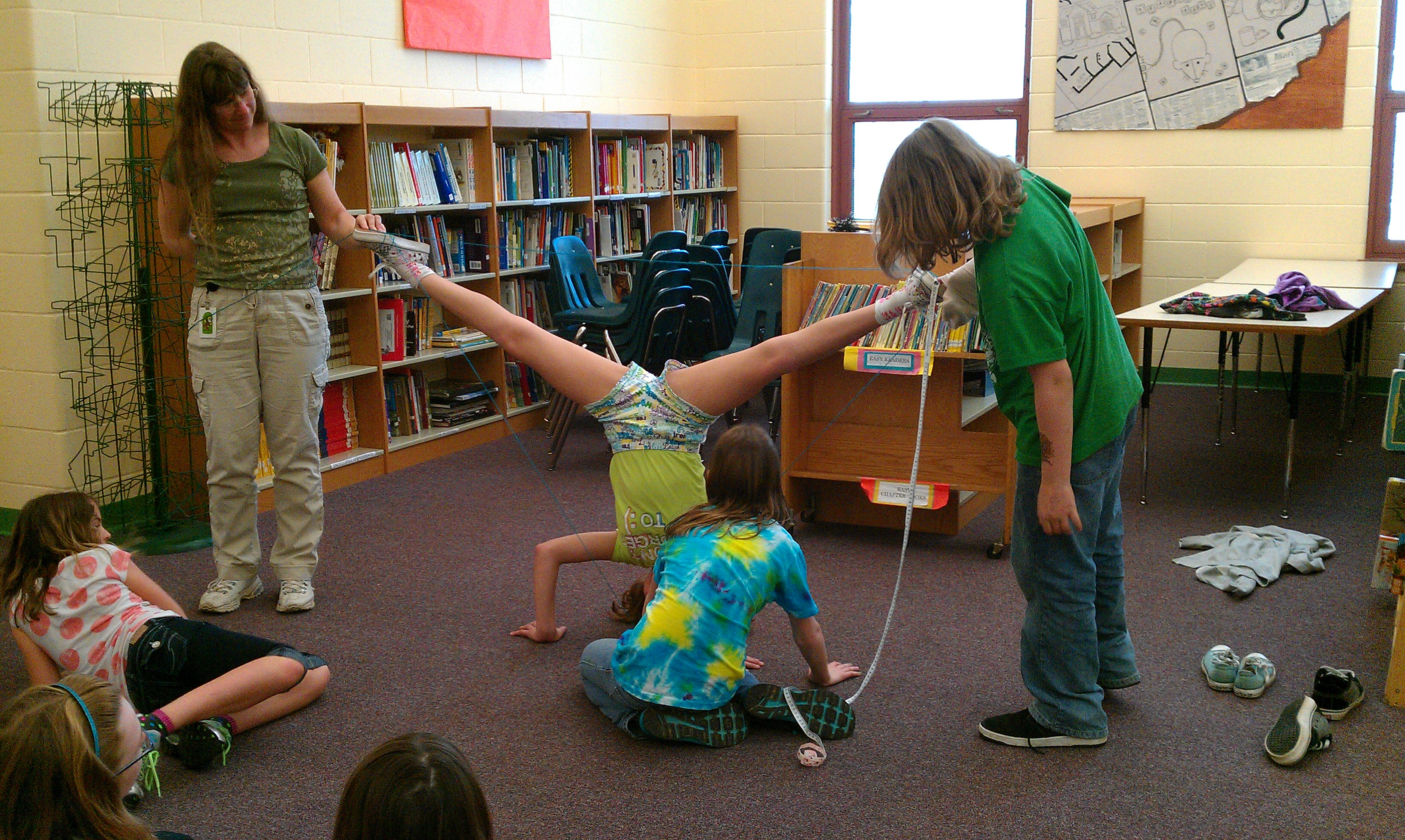
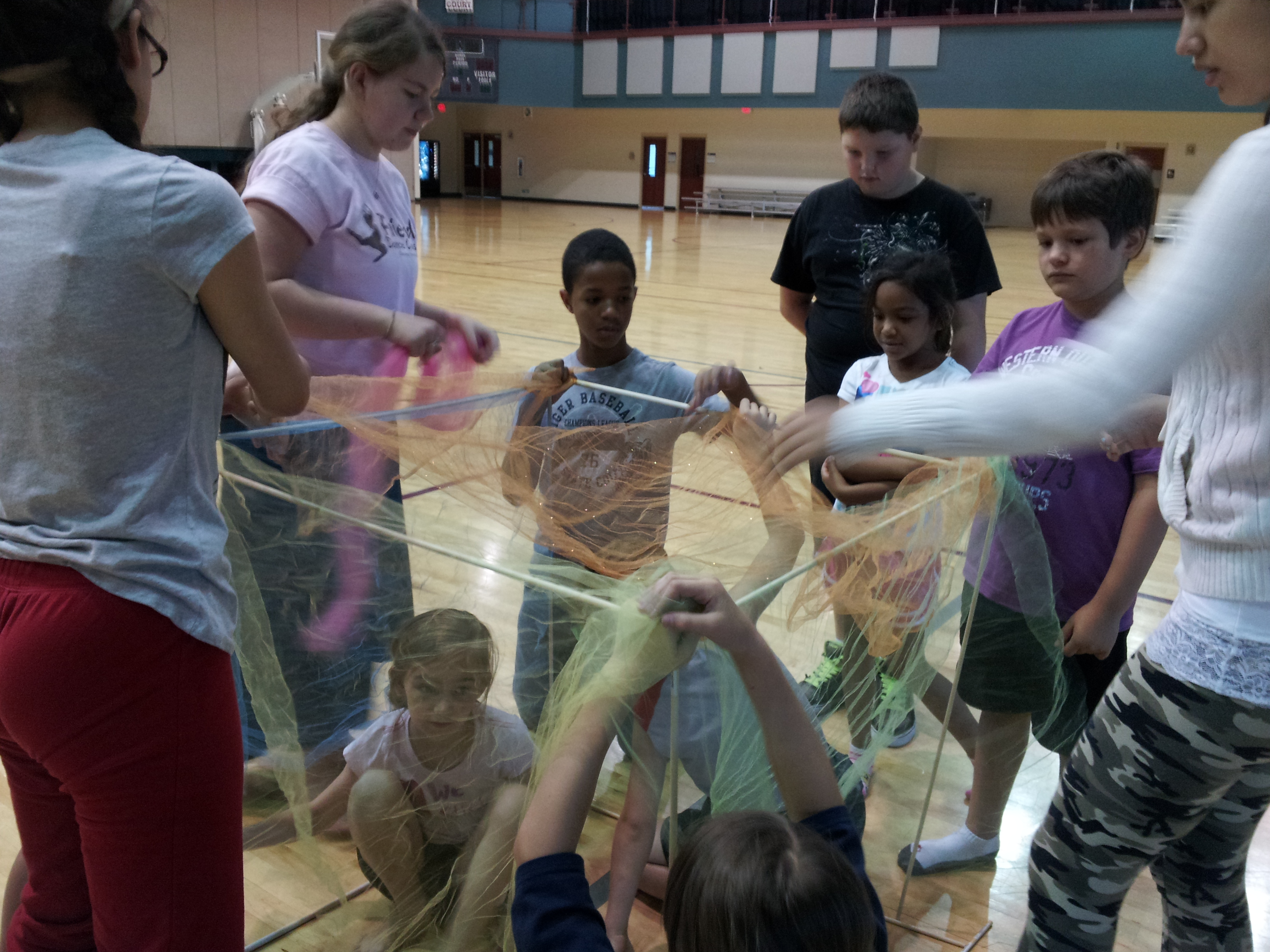

In conclusion, planning a teaching artist residency requires careful coordination and collaboration. By assembling a dedicated team, selecting an engaging theme, choosing the right teaching artists, involving the community, and sharing the experience, you can create a transformative educational opportunity that leaves a lasting impact on your school and its students. Teaching artist residencies are not just about art; they’re about fostering creativity, critical thinking, and a lifelong love of learning.

Leave a comment